
How to Clean a Valve Cover Breather: Complete Maintenance Guide
Your engine needs to breathe. The valve cover breather is a critical component that allows crankcase gases to escape while keeping oil and debris where they belong. Over time, these breathers get clogged with sludge, oil residue, and carbon buildup—compromising engine performance and increasing crankcase pressure.
If you’ve noticed oil leaks, high oil consumption, or your PCV system isn’t working right, a dirty valve cover breather might be the culprit. Cleaning it is one of the most satisfying maintenance tasks you can do yourself, and it takes less than an hour.
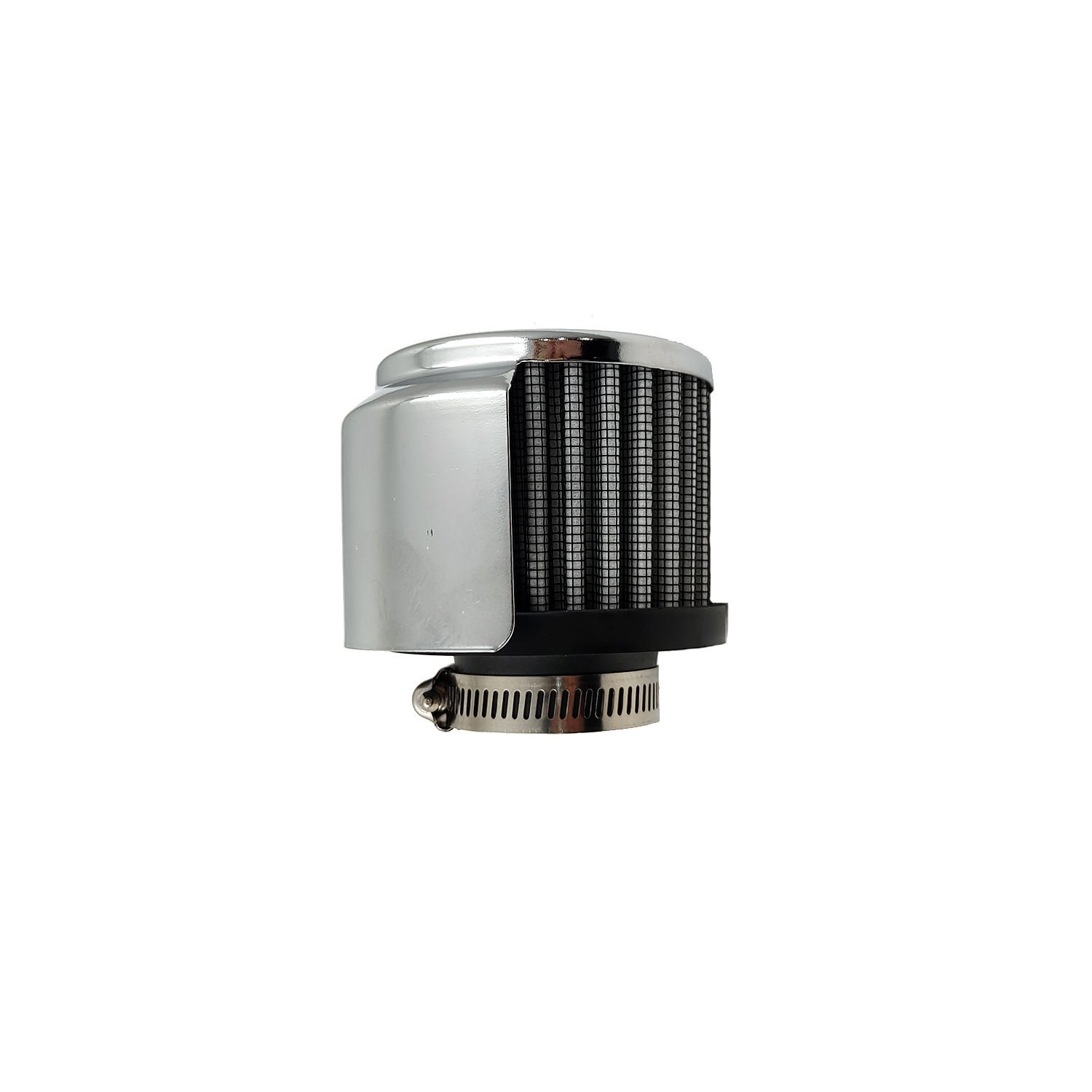
Let’s get into the complete process.
Why Valve Cover Breather Cleaning Matters
The valve cover breather serves as the escape route for crankcase gases. On closed PCV systems, these gases get routed back into the intake manifold to be burned in the combustion chamber. On open systems (common on older engines and racing applications), the breather releases gases into the atmosphere.
When the breather gets clogged:
Crankcase pressure builds. Instead of gases flowing out, pressure builds inside the engine. This pressure finds the path of least resistance—usually the valve cover gaskets. The result? Oil leaks.
Oil gets forced into the intake. On PCV systems, a clogged breather makes the positive crankcase ventilation system pull oil mist through the PCV valve and into the combustion chambers. You’ll see blue smoke from the exhaust and increased oil consumption.
Blow-by compounds accumulate. Combustion byproducts (water, acids, unburned fuel) normally get expelled through the breather. When the vent is blocked, these corrosive compounds stay in the oil, accelerating engine wear.
Vacuum leaks develop. A partially blocked breather creates irregular vacuum signals that confuse the engine management system. This leads to rough idle, poor throttle response, and decreased fuel economy.
Regular cleaning prevents all of this and extends the life of your engine’s internal components.
Tools and Materials You’ll Need
Before you start, gather everything you need. There’s nothing worse than getting halfway through a job and realizing you’re missing a tool.
For removal and disassembly:
- Socket wrench set (metric and standard)
- Assorted wrenches for removing lines and fittings
- Screwdrivers (flathead and Phillips)
- Pick tool or dental pick
- Clean shop towels
For cleaning:
- Carburetor cleaner or brake cleaner (for heavy deposits)
- Parts washer solvent or mineral spirits
- Soft brass wire brush
- Old toothbrush
- Compressed air (optional but helpful)
- Clean rags
For reassembly:
- New O-rings and seals (replace these while you’re in there)
- Fresh engine oil for any lost during the process
- Thread sealant (if required for fittings)
That’s the basics. Your specific application might need additional tools—check the service manual for your particular vehicle.
Step-by-Step Breather Cleaning Process
Step 1: Locate and Access the Breather
Find your valve cover breather. On most engines, it’s a threaded fitting or clamp-on assembly mounted on the valve cover. Small block Chevrolets often use a 1.5-inch threaded hole with a clamp-on breather element. Other applications might have breathers integrated into the valve cover itself or mounted on a separate oil separator.
Before removal, trace all connected lines. Know where the PCV hose connects, where any return lines run, and what else might be in the way. Take photos with your phone—you’ll thank yourself later when reassembling.
If the breather is hot (engine was recently running), let it cool down. Hot metal parts are more prone to damage and you might burn yourself.
Step 2: Remove the Breather Assembly
Disconnect any hoses or lines first. Most breathers have a PCV line connecting to the intake manifold—this is usually a clamped rubber hose. Loosen the clamp and slide the hose off.
For threaded breathers, use the correct size wrench to unscrew the assembly from the valve cover. Go slow and avoid crossthreading. If it’s stuck, apply penetrating oil and let it sit for 10-15 minutes before trying again.
For clamp-on breathers (like the SBC Shielded Valve Cover Breather from Karox Performance), loosen the clamp screw and slide the assembly off the tube. The tube typicallyWelds or mounts to the valve cover, so only the breather element comes off.
Set the breather aside in a clean workspace.
Step 3: Disassemble for Deep Cleaning
Most valve cover breathers have a removable element or mesh screen. On the SBC Shielded Valve Cover Breather, the shielded design means there’s an outer shield and an inner filter element. Disassemble according to your specific design:
Keep track of which direction pieces go back together. A quick photo of the assembled state helps here.
Step 4: Clean the Filter Element
This is where the real work happens. The filter element traps oil mist and particulate matter. After thousands of miles, it gets saturated.
For wire mesh elements:
Spray down with carburetor cleaner or parts wash solvent. Let it soak for 15-20 minutes. The solvent dissolves oil and loosens carbon deposits. Then scrub gently with a soft brass brush—brass is soft enough not to damage the mesh but firm enough to remove buildup.
Rinse thoroughly with fresh solvent. Hold it up to the light—if you can see light through the mesh clearly, it’s clean. Any blocked areas mean potential flow restriction.
Let it dry completely before reassembly. Compressed air helps, but let it air-dry for at least 30 minutes.
For foam elements:
Foam breathers are common on many imports and older American engines. These can often be cleaned but are usually better replaced. Foam gets saturated with oil and becomes compressed over time, losing effectiveness.
If you choose to clean foam, use mineral spirits or dedicated foam filter cleaner. Squeeze (don’t wring) multiple times to work the solvent through. Let it dry and check for deterioration. Replace if it’s brittle, torn, or doesn’t spring back when compressed.
Step 5: Clean the Breather Body
While the element soaks, clean the breather body. Spray carburetor cleaner inside the body and use a brush to remove deposits from walls and passages. The interior often has internal baffles or swirl chambers—these need to be clean to function properly.
Check all passages with compressed air. Blow through every hole and channel. Any restriction here defeats the purpose of cleaning the filter element.
Clean the exterior with degreaser and a brush. Remove any oil, road grime, or debris. A clean breather looks good and lets you spot cracks or damage more easily.
Step 6: Inspect Everything
Now’s the time for thorough inspection. Hold parts up to good light and look for:
Cracks or damage. Hairline cracks in aluminum bodies cause leaks. Cast aluminum is strong but brittle—any impact damage or stress cracks mean replacement.
Worn threads. Cross-threaded or worn mounting threads won’t seal properly. Run a tap through threaded holes to clean them up.
Deteriorated seals. O-rings, gaskets, and seals should be replaced every time. Old rubber hardens and loses sealing ability. Buy new ones—they’re cheap compared to the labor of doing this job again.
Clogged baffles. Internal baffles prevent oil splash from exiting through the breather. If these are bent, collapsed, or clogged with sludge, clean them or replace the assembly.
Any concerning findings? Consider whether rebuilding makes sense or if replacement is the better option. Quality breathers like the SBC Shielded Valve Cover Breather are reasonably priced, and a new unit with fresh components beats a questionable rebuilt one.
Step 7: Reassemble and Install
Once everything is clean and dry, reassemble in reverse order:
Installation is the reverse of removal. For threaded breathers, apply thread sealant if specified (some use it, some don’t—check your application). Tighten to spec—over-tightening aluminum threads causes problems.
For clamp-on breathers like the SBC Shielded Valve Cover Breather, slide the assembly onto the tube and tighten the clamp securely. The clamp should be snug but not crushing the tube.
Reconnect all lines and hoses. Double-check your photos to make sure everything goes back where it belongs. Loose connections cause vacuum leaks and oil seepage.
Step 8: Verify and Test
With everything installed, start the engine and watch carefully:
Take a short drive and recheck everything. Tighten any connections that show seepage. The first few heat cycles often reveal minor issues as parts expand and the system pressurizes.
How Often Should You Clean the Breather?
The answer depends on your driving conditions and engine setup:
Normal driving: Every 30,000-50,000 miles is a good interval for inspection and cleaning. Check during routine oil changes.
Severe service: Short trips, dusty environments, track use, or modified engines that generate more blow-by—check every 15,000-20,000 miles.
Racing applications: Clean before every event or every 2-3 race days. Racing engines generate significant blow-by, and a clean breather maintains proper crankcase pressure.
Classic cars with open systems: If your vintage muscle car uses an open breather (no PCV), clean annually. These systems dump directly to atmosphere and accumulate debris quickly.
Watch for symptoms that suggest cleaning is needed sooner: oil leaks at the valve cover, increased oil consumption, blue exhaust smoke, rough idle, or rich fuel mixture (indicates vacuum issues).
Common Mistakes to Avoid
Using the wrong cleaning solvent. Some solvents damage rubber components, O-rings, or foam elements. Stick to carburetor cleaner, parts wash solvent, or mineral spirits. Avoid petroleum-based products that leave residue.
Overtightening. Aluminum valve covers and breathers don’t respond well to gorilla torque. Tighten to specification—usually around 10-15 ft-lbs for most applications.
Forgetting to replace seals. Reusing old O-rings and gaskets leads to leaks. It’s false economy. Fresh seals cost pennies and prevent callbacks.
Missing the return line. Some breathers have an internal baffle that directs oil back into the engine. Installing backwards floods the breather with oil and blocks the vent. Pay attention to directional markings.
Forgetting to check PCV compatibility. If you clean the breather but the PCV valve is still clogged, you haven’t solved the problem. The PCV system is integrated—address both components.
Using compressed air without eye protection. Serious no-brainer but happens. Debris flies and parts can launch. Protect yourself.
When to Replace Instead of Clean
Cleaning works well for most breathers, but some situations call for replacement:
Cracked or damaged bodies. A cracked aluminum breather won’t seal properly. Replace it.
Collapsed or crushed elements. If the filter mesh is deformed or the foam is compressed, replacement is necessary.
Excessive corrosion. Pitted aluminum or rusted steel components don’t clean up properly.
Missing or damaged baffles. Internal baffles that prevent oil splash are critical. If bent beyond cleaning, replace.
Age. If you don’t know the history and it’s clearly old, just replace it. Quality breathers aren’t expensive, and the peace of mind is worth it.
For the SBC Shielded Valve Cover Breather and similar performance breathers, replacement parts are often available. If the core is good, you might just replace the element. If there’s any question, a complete replacement unit with fresh components is the smart move.
The Bigger Picture: Engine Breathing and Performance
Clean breathers are part of a broader engine breathing strategy. A properly functioning ventilation system:
- Maintains correct crankcase pressure
- Prevents oil leaks at gaskets and seals
- Keeps blow-by compounds from degrading engine oil
- Supports consistent fuel delivery and idle quality
- Extends engine life
Beyond cleaning breathers, consider the entire system. Check PCV valves, clean positive crankcase ventilation lines, verify intake manifold connections, and ensure oil separators (if equipped) are functioning.
For high-performance applications, upgraded breathers like the Karox SBC Shielded Valve Cover Breather offer advantages: better filtration, improved flow capacity, and superior durability for high-RPM use. These aren’t just cosmetic—they’re functional upgrades that maintain engine health under stress.
FAQ
Q: Can I use dish soap to clean the breather?
A: Not recommended. Dish soap leaves residue that can attract dirt and potentially cause issues with rubber components. Use dedicated solvents like carburetor cleaner, parts wash solvent, or mineral spirits.
Q: Should I clean the breather with the engine running?
A: Absolutely not. The engine should be off and cool. Removing breathers while the engine runs creates a mess and creates burn hazards. Work on a cold engine in a well-ventilated area.
Q: My breather has foam inside—is it washable?
A: Foam elements can be cleaned but often deteriorate quickly after cleaning. Consider replacing foam elements every few cleanings or at least annually. They lose elasticity and filtration efficiency after repeated washing.
Q: Can a clogged breather cause oil consumption?
A: Yes. A clogged breather increases crankcase pressure, which forces oil past seals and gaskets. Additionally, on PCV-equipped engines, the system may pull oil mist into the intake, burning it in the combustion chamber. Both scenarios increase oil consumption.
Q: What’s the difference between a breather and a PCV valve?
A: A breather is the vent that allows gases to escape from the crankcase. A PCV (Positive Crankcase Ventilation) valve is a one-way valve that controls the flow of these gases into the intake manifold. They’re related but distinct components in the ventilation system.
Q: How do I know if my breather is flowing properly?
A: With the engine running, place a piece of paper near the breather outlet. It should show slight movement indicating flow. Alternatively, remove the oil cap with the engine idling—should feel slight pressure pushing back. No pressure might indicate a clogged system.
Where to Buy a Where to Buy a SBC Shielded Valve Cover Breather?
If you’re looking for a reliable supplier, it’s important to choose a manufacturer that offers:
- Stable product quality
- Consistent supply
- Wholesale support
- OEM branding options
For bulk orders or reseller inquiries, you can check this product page:
If you’re looking for a reliable supplier, it’s important to choose a manufacturer that offers:
- Stable product quality
- Consistent supply
- Wholesale support
- OEM branding options
For bulk orders or reseller inquiries, you can check this product page: