
How to Use a Piston Ring Compressor: The Complete Guide for Engine Builders
Installing piston rings into a cylinder bore represents one of the most critical—and potentially frustrating—steps in any engine rebuild. The difference between a smooth, successful installation and a damaged ring or scratched cylinder wall often comes down to understanding how to use a piston ring compressor correctly. This essential tool compresses the rings into their grooves, allowing the piston assembly to slide into the cylinder bore without causing damage.
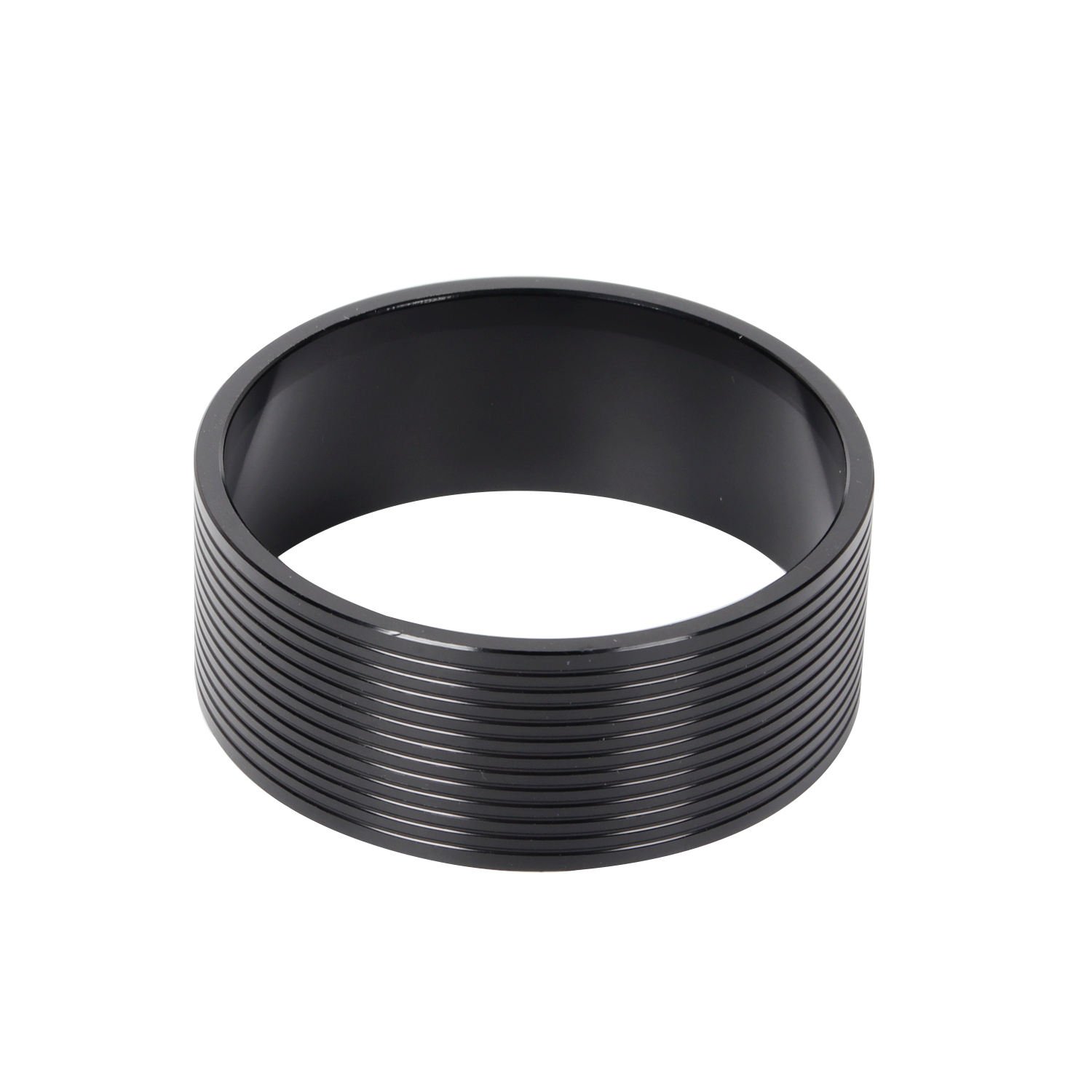
Whether you’re a professional mechanic rebuilding a heavy-duty diesel engine or a hobbyist tackling your first cylinder head installation, mastering this tool will save you time, money, and frustration. This comprehensive guide covers everything from selecting the right compressor for your application to advanced techniques that professional engine builders rely on.
Understanding the fundamentals of piston ring compression becomes especially important when working with modern high-compression engines, performance applications, or specialized machinery like Cummins ISX or CAT C15 engines that require specific compressor sizes and techniques.
What Is a Piston Ring Compressor?
A piston ring compressor is a specialized automotive tool designed to compress piston rings inward into their grooves, allowing the entire piston assembly to be inserted into the cylinder bore without damaging the rings or cylinder walls. Without this tool, attempting to push a piston with installed rings into a cylinder bore would result in the rings catching on the cylinder deck, causing scratches, nicks, or complete ring breakage.
How the Tool Works
The compressor consists of a cylindrical band wrapped around the piston, secured with an adjustable clamp mechanism. As you tighten the clamp, the band contracts uniformly around the piston, pushing all the rings into their grooves and reducing the piston’s effective diameter enough to slide through the cylinder bore.
The tool must apply even pressure around the entire circumference of the piston. Uneven compression creates an oval shape rather than a true circle, which defeats the purpose and can still cause ring damage during installation. This uniformity requirement explains why cheap or worn compressors often fail—the band material stretches unevenly, creating pressure points that don’t compress all rings equally.
Types of Piston Ring Compressors
Understanding the differences between compressor types helps you select the right tool for your specific application. Each design offers distinct advantages and potential limitations that affect performance and results.
Clamp-Style Ring Compressors
The clamp-style represents the most common and recommended design for most engine rebuilding applications. This type features a steel band with a bolted clamp mechanism that provides even, adjustable compression around the entire piston circumference.
Advantages of clamp-style compressors include:
- Even compression distribution prevents ring distortion
- Reusable and durable for repeated professional use
- Works well with most standard piston diameters
- Adjustable tension allows fine control during installation
Limitations to consider:
- More expensive than ribbon-type alternatives
- Requires proper tightening technique to avoid oval compression
- Band material quality significantly impacts performance
Many professionals specifically recommend avoiding ribbon-type compressors because they frequently break rings during installation due to their single-point pressure application. The steel band in ribbon designs concentrates force at one location rather than distributing it evenly, making them prone to creating oval shapes under compression.
Plier-Style Ring Compressors
Piston ring pliers feature curved jaws that spread the rings inward when squeezed, serving as an alternative approach for certain applications. This design works well for motorcycles and small engines where access space is limited.
Pliers-style advantages:
- Quick operation for experienced users
- Excellent for confined spaces
- Ideal for motorcycles and small-bore applications
- Affordable option for occasional use
Pliers-style limitations:
- Requires practice to use effectively
- Can slip if not properly positioned
- Limited to smaller piston diameters (typically under 100mm)
- Less control over compression amount
Most complete ring compressor kits include multiple band sizes to accommodate different piston diameters, along with pliers for ring spreading during installation. These comprehensive kits typically cover piston diameters ranging from 50mm to 145mm, making them versatile for various engine types.
Engine-Specific Compressors
Large diesel engines like those found in Cummins ISX, CAT 3400, and similar heavy-duty applications require specialized compressors designed for their specific bore sizes. These commercial-grade tools feature heavy-duty construction capable of handling the larger forces required for big-bore piston installations.
For example, a compressor designed for a 5.4″ bore Cummins application requires specific band dimensions and reinforced clamping mechanisms that standard automotive compressors cannot provide. These specialized tools often come as part of complete installation kits that include anti-polishing rings and other components necessary for professional diesel engine work.
Step-by-Step Guide: How to Use a Piston Ring Compressor
Proper technique ensures successful ring installation without damage. Follow these steps carefully, paying attention to details that distinguish professional results from amateur outcomes.
Step 1: Prepare Your Workspace and Tools
Before beginning the installation process, ensure your workspace is clean and organized. Any debris, dirt, or contamination entering the cylinder bore during installation can cause premature wear or engine failure.
Gather the following items:
- Appropriate-size piston ring compressor (band style recommended)
- Clean rags and parts cleaner
- Piston ring installation lubricant (specifically designed for ring installation)
- Wooden or plastic dowel for gentle piston guidance
- Torque wrench for rod cap installation
- Feeler gauges for checking rod bearing clearance
- Clean work surface with engine stand or secure holding method
Clean the cylinder bore thoroughly using parts cleaner and compressed air to blow out any remaining debris from the honing process. Inspect the bore surface for any scratches, honing irregularities, or contamination that could affect ring seating.
Step 2: Verify Ring Installation Sequence
Before installing the piston into the cylinder, confirm that all rings are correctly positioned in their respective grooves. Each ring has a specific orientation and position that affects engine performance.
Standard ring arrangement from top (compression rings) to bottom:
- Top compression ring (1st ring) – Typically features chrome plating or specialized coatings. Install with the manufacturer’s mark or chamfer facing upward toward the combustion chamber.
- Second compression ring (2nd ring) – Often features an inner bevel or tapered face configuration. This ring controls oil consumption and must face the correct direction according to manufacturer specifications.
- Oil ring (bottom ring) – Consists of multiple components including the expander spring and two scraping rails. Ensure the expander ends do not align with the rail gaps.
Ring gaps must be staggered during installation—typically 120 degrees apart for compression rings and 180 degrees for oil ring rails. Never position ring gaps directly over the piston pin bore or in line with the thrust faces.
Step 3: Apply Lubrication
Proper lubrication represents one of the most critical yet frequently overlooked steps in piston installation. The lubricant serves multiple functions: reducing friction during insertion, protecting ring faces from damage, and ensuring proper initial seating.
Apply a high-quality ring installation lubricant specifically formulated for this purpose—never use standard motor oil alone. Ring-specific lubricants contain additives that protect coated rings and provide superior film strength under the compression loads encountered during installation.
Critical lubrication points:
- Apply lubricant to all ring faces and outer diameters
- Lightly coat the cylinder bore walls
- Do not lubricate the piston skirt or connecting rod (unless specified)
- Ensure no lubricant pools in ring gaps or oil drain-back holes
Acrylic resin-based lubricants are commonly recommended for cylinder bore lubrication during piston installation.
Step 4: Position the Ring Compressor
Place the compressor around the piston with rings already installed, ensuring the tool encompasses all rings simultaneously. The compressor band must sit directly above the top ring groove, covering all rings uniformly.
Critical positioning considerations:
- Ensure the compressor band sits level around the piston—no tilting
- Verify that no ring protrudes above or below the compressor band
- The compressor should be snug against the piston but not excessively tight before tightening
- Some compressors feature alignment pins or marks—use these for consistent positioning
When positioning, be extremely careful not to catch any ring edge on the compressor clamp mechanism. A ring caught on the clamp edge can be scratched, cracked, or bent, rendering it unusable and potentially causing engine failure.
Step 5: Tighten the Compressor Evenly
Tighten the compressor clamp gradually and evenly. Uneven tightening creates an oval compression shape rather than a true circle, defeating the purpose of using the tool and risking ring damage.
Proper tightening technique:
- Hand-tighten the clamp bolt until resistance is felt
- Use the appropriate wrench to advance the bolt in small increments
- Alternate sides if the compressor features multiple adjustment points
- Check for uniform band position around the piston circumference
- Continue tightening until the compressor band sits flush against the piston
- The compressor should compress rings until no gap exists between ring faces and their grooves
Avoid over-tightening. Excessive compression makes insertion difficult and can deform the rings or piston. The goal is sufficient compression to reduce the overall diameter by approximately the total ring thickness—typically 2-4mm depending on ring count and design.
Step 6: Install the Piston Assembly
With the compressor properly positioned and tightened, align the piston with the cylinder bore. The piston should enter the bore straight and true—any angle creates resistance and increases damage risk.
Installation technique:
- Use a wooden or plastic dowel (never metal) against the piston crown to guide installation
- Apply gentle, steady downward pressure—never strike the piston
- Rotate the crankshaft slowly to help guide the piston through its stroke
- Maintain alignment throughout the entire insertion process
- Stop immediately if resistance increases or binding occurs
For overhead cam engines or applications where piston damage is particularly costly, consider using a dedicated piston installation tool that provides consistent guidance and prevents crown contact with cylinder walls.
Step 7: Remove the Compressor
Once the piston sits fully in the bore with the connecting rod positioned, remove the compressor by loosening the clamp mechanism gradually. Pull the compressor straight up and away from the cylinder block—never rotate it during removal, as rotation could contact the cylinder walls.
Verification after removal:
- Confirm all rings are still seated in their grooves
- Check for any visible damage to ring faces or edges
- Verify piston is seated squarely in the bore
- Confirm rod cap mating surface alignment
- Proceed with rod cap installation and torque specifications
If any rings appear damaged or displaced after removal, stop the assembly process and investigate before proceeding. Continuing with damaged rings guarantees engine failure.
Common Mistakes and How to Avoid Them
Even experienced mechanics make errors during piston installation. Understanding common mistakes helps you recognize and avoid problems that could compromise your engine rebuild.
Mistake 1: Using Wrong Compressor Size
Selecting a compressor too small for your piston’s diameter creates excessive compression that damages rings. Conversely, an oversized compressor doesn’t compress rings enough, preventing insertion and potentially causing ring flexion damage.
Solution: Measure your piston’s diameter at the ring land (below the ring grooves) and select a compressor specifically rated for that size range. When working with multiple engines, purchase a comprehensive kit that covers the most common sizes you’ll encounter.
Mistake 2: Insufficient Lubrication
Dry installation dramatically increases friction and ring damage risk. The compression process generates significant force—without proper lubrication, ring faces can scratch against cylinder walls or become distorted from heat buildup.
Solution: Apply generous amounts of ring-specific lubricant to all ring faces, the compressor band inner surface, and the cylinder bore walls. Reapply if installation takes more than a few seconds.
Mistake 3: Uneven Compressor Tightening
Tightening the clamp bolt unevenly creates an oval compression shape. When this compressed piston enters a round bore, the oval shape must flex back to round—a process that places tremendous stress on rings and often causes permanent deformation.
Solution: Tighten in small increments, alternating sides of the compressor if it features multiple adjustment points. Visual inspection during tightening should confirm the band remains level and centered.
Mistake 4: Catching Rings on Compressor Edge
Improper compressor positioning can catch a ring edge on the clamp mechanism during tightening. This catches the ring corner, creating a bend or crack that may not be immediately visible but will cause failure.
Solution: Position the compressor carefully, ensuring no ring edges align with the clamp mechanism. Some compressors feature protective edges—use them. If resistance is felt during tightening, stop and reposition.
Mistake 5: Rushing the Installation
Impatience leads to shortcuts. Forcing the piston, skipping lubrication steps, or using inappropriate tools damages components and creates potentially dangerous situations.
Solution: Take your time. Plan each step before executing. Have all tools and supplies ready before beginning. Accept that a single piston installation might require 15-20 minutes of careful, deliberate work.
Mistake 6: Wrong Ring Orientation
Each ring has a specific orientation that affects engine performance. Installing rings upside-down or in wrong positions causes oil consumption, blow-by, or complete ring failure.
Solution: Always verify manufacturer orientation markings before installation. When markings are unclear, research the specific ring type and its correct installation direction. When in doubt, consult the engine manufacturer’s service manual.
Advanced Techniques for Professional Results
Beyond the basic steps, professional engine builders employ advanced techniques that improve installation quality and reduce potential for damage during the assembly process.
Technique 1: Pre-Installation Ring Checking
Before attempting installation, perform a ring check by placing each ring in its intended cylinder bore and measuring the end gap with a feeler gauge. This verifies ring-to-bore compatibility and ensures end gaps fall within specification.
Ring end gap requirements vary by application—typically 0.003″ to 0.006″ per inch of cylinder diameter for compression rings. Insufficient gap creates ring binding and potential breakage during thermal expansion, while excessive gap increases blow-by and reduces compression.
Technique 2: Chamfered Ring Relief
For high-performance applications or engines with tight bore tolerances, some builders chamfer the ring edges to reduce the effective insertion diameter. Using a fine file, remove a small bevel (typically 1mm at 45 degrees) from the ring outer edges, creating a tapered entry point that reduces insertion resistance.
This technique requires careful attention to maintain ring structural integrity—never remove more than necessary, and always verify chamfered rings in the bore before full installation.
Technique 3: Strategic Ring Gap Positioning
While standard practice staggers ring gaps at 120-degree intervals, certain applications benefit from alternative positioning. Some engine builders recommend positioning first and third ring gaps at 180 degrees apart when installing three-ring pistons, claiming improved sealing by preventing gas paths through aligned gaps.
The second ring acts as a seal between first and third ring gaps, preventing gas from traveling directly from first ring end gap to third ring end gap through the cylinder wall. This technique has proven effective in reducing blow-by in high-performance applications.
Technique 4: Compressor Warming
In cold environments or when working with tight-tolerance engines, some builders warm the compressor band slightly before use. This slightly expands the metal, allowing more uniform initial positioning and reducing the forces required during tightening.
Warm the compressor with a heat gun or by holding it near a work light—never use open flame or excessive heat that could damage the tool or change its temper. The goal is a few degrees above ambient temperature, not significant heating.
Tool Maintenance and Care
Proper maintenance of your piston ring compressor ensures consistent performance and extends tool life significantly. Neglected compressors develop wear patterns that compromise their ability to provide even compression.
Cleaning After Each Use
After completing any installation, wipe the compressor band clean with a dry cloth. Remove any accumulated lubricant, debris, or metal particles that could affect future performance. For thorough cleaning, use parts cleaner and a soft brush to remove contamination from all surfaces.
Never submerge the compressor or use abrasive cleaning methods that could damage the band surface or change its dimensions. The inner surface that contacts rings must remain smooth and consistent.
Inspect for Wear
Regular inspection reveals wear patterns before they cause problems. Check the band for any signs of permanent deformation, thinning areas, or surface damage that could create pressure points.
Examine the clamp mechanism for proper function—the bolt threads, hinge points, and adjustment mechanisms should operate smoothly without binding or excessive play. Replace worn components promptly rather than risking compressor failure during an engine build.
Proper Storage
Store compressors in a clean, dry environment where they cannot be damaged by other tools or materials. Many mechanics keep compressors in their original cases or dedicated tool organizers that protect the band from bending or scratching.
Consider hanging cylindrical compressors vertically rather than stacking them, which can deform the band over time. Some high-quality compressor kits include dedicated storage cases designed to maintain proper shape during storage.
Specialized Applications
Different engine types present unique challenges that may require modified techniques or specialized equipment beyond standard procedures.
Motorcycle Engine Installation
Motorcycle engines typically feature smaller pistons (often 50-85mm range) and tighter clearances than automotive applications. Piston ring compressor kits designed for motorcycles include smaller bands that provide the precision required for these applications.
Motorcycle installations often involve confined spaces that make compressor positioning challenging. Plier-style compressors prove particularly useful in these situations, though band-style compressors with compact designs also work well. The smaller scale requires careful attention to detail—mistakes are magnified relative to the overall piston size.
Heavy-Duty Diesel Applications
Large diesel engines like Cummins ISX, CAT 3400, C15, and similar platforms require specialized compressors designed for their specific bore sizes. The PT-7040-style compressors for 5.4″ bores represent typical equipment for these applications, featuring heavy-duty construction capable of handling the significant forces required for large ring compression.
Diesel applications often require additional equipment beyond basic compressors, including anti-polishing rings that prevent cylinder wall damage during break-in and specialized installation tools designed for the specific connecting rod configurations found in diesel engines.
Performance Engine Building
High-performance and racing engines demand precision installation techniques that exceed factory specifications. Performance applications often feature:
- Piston coatings (moly, ceramic, DLC) that require specialized handling
- Tight clearance pistons that demand precise compressor technique
- High-compression ratios that stress ring installation more heavily
- Special ring designs (keystone, tapered face, gas ports) that require specific orientation
Performance builders often create custom compressor solutions for unique applications, modifying standard tools or building custom jigs that provide the precise control required for extreme performance applications.
Frequently Asked Questions (FAQ)
What size piston ring compressor do I need?
Select a compressor rated for your piston’s diameter at the ring land. Most compressor kits specify a diameter range—for example, 62-145mm kits cover most automotive and light truck applications. For diesel engines, check the specific bore diameter requirements and select accordingly. When working with multiple engine types, consider purchasing a comprehensive kit that includes multiple band sizes.
Can I use a hose clamp as a piston ring compressor?
No. While some mechanics attempt this shortcut, hose clamps apply extremely uneven pressure that creates an oval compression shape. The resulting stress on rings causes permanent damage and compromises installation quality. Proper ring compressors cost $30-200 and represent a worthwhile investment for any engine work.
Why do my rings keep breaking during installation?
Ring breakage typically results from one of several causes: insufficient lubrication, over-tightening the compressor, catching ring edges on the compressor mechanism, or using an undersized compressor. Inspect the break pattern—breaks at specific points often indicate contact with a pressure point on the compressor, while random breaks suggest lubrication issues.
Should I rotate the piston during installation?
No. The piston should enter the cylinder bore straight, without rotation. Rotating the piston can scrape rings against cylinder walls or catch ring edges on the bore. Use a wooden dowel against the piston crown to guide straight insertion, and rotate the crankshaft only after the piston is fully seated.
How tight should the ring compressor be?
The compressor should compress rings until they sit fully in their grooves with no visible gap. The goal is sufficient compression to reduce effective piston diameter by approximately the total thickness of all rings (typically 2-4mm). Over-tightening causes excessive friction and potential ring deformation; under-tightening prevents insertion and risks ring flexion damage.
Do I need to remove rings to install the piston?
No. The entire purpose of a ring compressor is to allow installation with rings already mounted. Removing rings, installing the piston, then reinstalling rings would damage connecting rod bearings and eliminate the reason for using a compressor. Rings should remain installed throughout the entire piston installation process.
What’s the difference between clamp-style and ribbon-style compressors?
Clamp-style compressors feature a continuous band secured by a bolted clamp, providing even pressure around the entire piston circumference. Ribbon-style compressors use a wound metal ribbon that concentrates pressure at single points. Professional mechanics recommend clamp-style compressors because ribbon designs frequently cause ring breakage and create oval compression shapes.
Conclusion
Mastering how to use a piston ring compressor represents a fundamental skill for anyone performing engine rebuilds or maintenance. The difference between professional-quality work and amateur results often comes down to understanding the small details that affect ring integrity and cylinder condition.
Remember that successful ring installation combines proper tool selection, meticulous preparation, correct technique, and appropriate lubrication. Rushing any step risks component damage that could compromise engine performance or cause failure. The time invested in learning proper technique pays dividends in reduced parts costs, improved engine longevity, and confidence in your mechanical abilities.
Whether you’re rebuilding a daily-driver engine or tackling a high-performance racing engine rebuild, the principles remain consistent: use quality tools, follow manufacturer specifications, maintain cleanliness throughout the process, and never rush installation. Your engine will deliver better performance, longer life, and more satisfying operation as a result of these careful practices.