Fuel Line Installation to Carburetor: Comprehensive Technical Protocol
Technical Analysis: Carburetor Fuel Delivery Systems
Fuel delivery to carbureted engines represents a critical system within the overall fuel management architecture. Proper fuel line installation directly impacts engine performance, driveability, and system reliability. This technical analysis provides comprehensive guidance for fuel line routing to carburetor systems, addressing material selection, routing requirements, and installation methodology.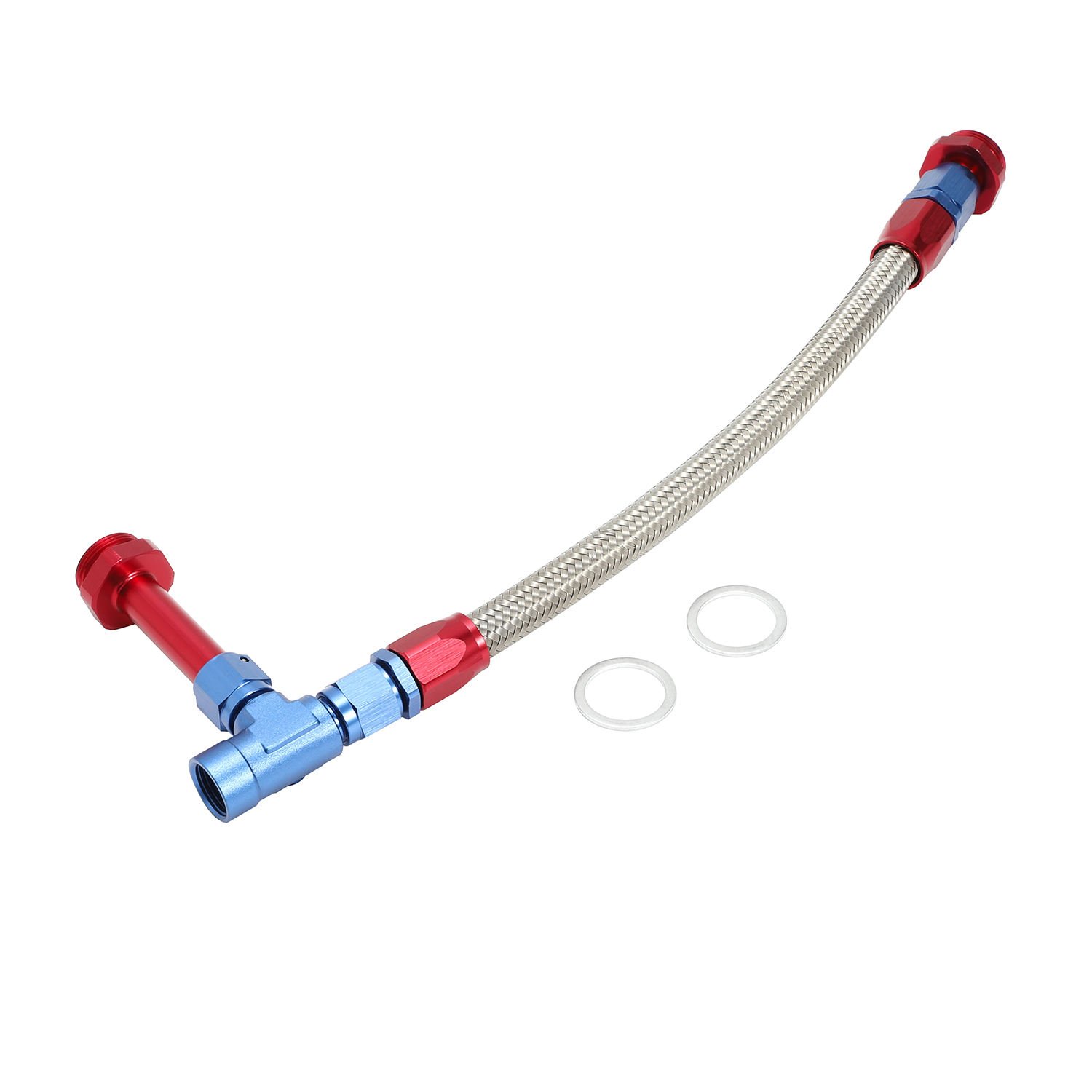
Fundamental Requirements: Pressure and Compatibility
Fuel System Pressure Analysis
Carbureted fuel systems operate under distinct pressure parameters compared to fuel injection systems:
| System Type | Operating Pressure | Fuel Pump Requirement | Line Specification |
|---|---|---|---|
| Carburetor (float bowl) | 3-7 PSI | Mechanical or low-pressure electric | SAE 30R7 minimum |
| TBI injection | 10-15 PSI | Low-pressure electric | SAE 30R7 or 30R9 |
| Multi-port injection | 30-60 PSI | High-pressure electric | SAE 30R9 or higher |
Excessive pressure at the carburetor fuel inlet damages float valve assemblies and creates flooding conditions. Mechanical fuel pumps typically generate 4-7 PSI at normal operating RPM—appropriate for carburetor applications. Electric pumps must be selected for compatible pressure output.
Material Compatibility Requirements
Fuel system materials must resist:
Ethanol degradation. Modern fuels contain up to 10% ethanol (E10) in many regions, with increasing availability of higher ethanol blends. Ethanol acts as a solvent and can degrade certain elastomers and plastics. Material selection must account for ethanol exposure.
Permeation resistance. Fuel permeation through elastomer materials creates vapor losses and potential driveability issues. SAE-rated fuel hose provides tested permeation resistance.
Temperature resistance. Fuel system components must tolerate underhood temperatures, typically ranging from -40°F to 250°F during operation.
Fuel Line Material Specifications
Rubber Fuel Hose (SAE 30R7/30R9)
Standard fuel-rated rubber hose meets requirements for most carburetor applications:
| Specification | Requirement |
|---|---|
| SAE rating | 30R7 (fuel/vapor service) or 30R9 (high permeation resistance) |
| Temperature range | -40°F to +250°F |
| Fuel compatibility | Gasoline, diesel, ethanol blends up to E10 |
| Recommended replacement | 5-7 years or at fluid service intervals |
Rubber hose represents the most economical option for fuel line routing. Installation requires hose clamps at all connection points.
###Braided Stainless Steel Fuel Line (AN Fitting Systems)
Premium performance applications utilize AN (Army-Navy) specification braided lines:
| Specification | Requirement |
|---|---|
| Material | Stainless steel braid over rubber or nylon core |
| Fittings | AN flare fittings with proper torque |
| Pressure rating | 1000+ PSI burst strength |
| Temperature range | -40°F to +450°F |
AN fuel lines provide superior durability, temperature resistance, and aesthetic appeal for show-quality installations. Higher cost and specialized fitting requirements limit use to performance applications.
Nylon Fuel Line
Quick-connect nylon lines are appropriate for certain OEM-style routing:
| Specification | Requirement |
|---|---|
| Material | Nylon 12 or equivalent |
| Fitting system | OEM quick-connect fittings |
| Pressure rating | Application-specific |
| Temperature range | -40°F to +200°F |
Nylon requires proper quick-connect tool usage and may not be reusable. Common in late-model applications.
Routing Methodology: Technical Requirements
Primary Routing Principles
Proper fuel line routing follows specific technical requirements:
Minimum bend radius. Fuel lines must maintain adequate bend radius to prevent kinking and flow restriction. Minimum recommended radius equals 6 times the line diameter for rubber hose.
Clearance from heat sources. Fuel lines must maintain minimum clearance from exhaust components, manifolds, and headers. Recommended minimum clearance: 3 inches from exhaust, 1 inch from other heat sources. Heat shielding required where clearance cannot be maintained.
Support spacing. Unsupported fuel lines sag and create low points where vapor accumulation occurs. Recommended support spacing: 12 inches maximum for rubber hose, 18 inches for rigid lines.
Routing path optimization. Fuel lines should follow the shortest practical path while maintaining required clearances. Avoid routing through areas of maximum heat concentration.
Fuel Return Line Requirements
If the carburetor system includes fuel return:
Gravity return design. Fuel return lines must maintain downward gradient toward the fuel tank. Air locks in return lines cause vapor lock and driveability issues.
Separate return routing. Return lines should not combine with supply lines within the same conduit. Separate routing prevents fuel aeration.
Installation Protocol: Step-by-Step Procedure
Pre-Installation Inspection
- Verify fuel pump pressure output meets specifications
- Inspect all fuel system components for degradation
- Verify fuel filter capacity and condition
- Confirm fuel line routing path is clear and accessible
- Check fitting thread condition on carburetor fuel inlet
Fuel Line Assembly
- Cut fuel line to length using sharp fuel-line cutter
- Avoid using knife or scissors—creates jagged edges
- Install fitting onto line with proper orientation
- Verify fitting seats fully before clamping
- Apply thread sealant to fitting threads (if required by fitting type)
Connection Protocol
Carburetor fuel inlet connection:
- Install fuel line onto carburetor fitting
- Secure with appropriate clamp (worm gear or spring clamp)
- Torque clamp to specification (typically 15-30 in-lb for small clamps)
- Verify connection is secure—fuel under pressure will find loose connections
Fuel pump connection:
- Apply light oil to pump inlet fitting threads
- Thread line onto pump fitting (hand-tighten first)
- Secure with appropriate clamp
- Verify no binding or stress at connection point
System Pressurization Test
- With engine off, cycle fuel pump multiple times
Common Installation Errors
Fuel Line Kinking
Cause: Sharp bends during routing or insufficient radius turn
Consequence: Fuel flow restriction causing lean condition and driveability issues
Prevention: Use appropriate bend radius, spring guards at bend points
Clearance Violations
Cause: Routing fuel lines too close to exhaust or heat sources
Consequence: Fuel percolation, vapor lock, potential fire hazard
Prevention: Measure and maintain minimum clearances, use heat shielding where required
Clamp Insufficiency
Cause: Wrong clamp type or insufficient clamping force
Consequence: Fuel leaks, fire hazard, driveability issues
Prevention: Use correct clamp type for fitting, torque to specification
Material Mismatch
Cause: Using non-fuel-rated hose for fuel system applications
Consequence: Hose degradation, fuel leaks, contamination
Prevention: Specify SAE-rated fuel hose only—standard heater hose or emission hose is not acceptable
Performance Modifications: Technical Considerations
High-Flow Fuel Line Upgrades
Performance applications requiring increased fuel flow may benefit from larger diameter fuel lines:
| Stock Line Size | Upgraded Size | Flow Increase | Application |
|---|---|---|---|
| 1/4″ (6mm) | 5/16″ (8mm) | 60% | Modest performance builds |
| 5/16″ (8mm) | 3/8″ (10mm) | 40% | Moderate to high performance |
| 3/8″ (10mm) | 1/2″ (13mm) | 75% | Racing, high-horsepower |
Larger lines increase fuel volume but do not increase pressure. Fuel pump capacity remains the limiting factor for maximum flow.
Filtration Integration
Inline fuel filters should be installed:
- Between fuel pump and carburetor
- In accessible location for service
- With filter element sized for flow requirements
- With filtration rating appropriate for carburetor (10-40 micron)
Excessive filtration creates flow restriction. Insufficient filtration allows debris to clog carburetor jets.
FAQ: Technical Clarifications
Q: Can I use heater hose for fuel line routing?
A: No—heater hose lacks fuel resistance and permeation barriers. Only SAE-rated fuel hose (30R7 or 30R9) meets fuel system requirements. Heater hose degradation in fuel service creates fire hazard and system contamination.
Q: What fuel line size is appropriate for carburetor applications?
A: Stock-size fuel lines (typically 1/4″ to 5/16″) accommodate most carburetor fuel requirements. High-performance applications with increased fuel demand may require larger diameter lines, but fuel pump capacity limits the benefit of oversized lines.
Q: Should fuel lines be routed above or below the frame?
A: Under-vehicle routing requires protection from road hazards. Fuel lines should be routed within frame rails or protected routing channels. Above-frame routing provides easier access but may be visible. Both approaches are acceptable with proper support and protection.
Q: What clamp torque specification applies to fuel line connections?
A: Worm gear clamps typically require 15-30 in-lb torque. Spring clamps require specific tool application. Inadequate clamping creates leaks; overtightening deforms fittings and hose. Torque wrench verification is recommended for critical applications.
Q: Can fuel line routing affect engine performance?
A: Yes—kinked or restricted fuel lines create lean conditions and driveability problems. Vapor lock from heat exposure causes performance loss during high-temperature operation. Proper routing and heat protection directly impact reliable performance.
Q: How often should fuel lines be replaced?
A: Rubber fuel hose should be replaced every 5-7 years regardless of appearance. Ethanol-containing fuels accelerate rubber degradation. Inspect fuel lines during major service intervals and replace if any signs of hardening, cracking, or softening are observed.
Where to Buy a Where to Buy a Carb Fuel Line?
If you’re looking for a reliable supplier, it’s important to choose a manufacturer that offers:
- Stable product quality
- Consistent supply
- Wholesale support
- OEM branding options
For bulk orders or reseller inquiries, you can check this product page:
If you’re looking for a reliable supplier, it’s important to choose a manufacturer that offers:
- Stable product quality
- Consistent supply
- Wholesale support
- OEM branding options
For bulk orders or reseller inquiries, you can check this product page: