
Do I Need a Gasket for My Differential Cover? Comprehensive Analysis
Technical Overview: Differential Housing Sealing Requirements
The differential housing represents one of the most critical sealed enclosures in automotive drivetrain systems. Maintaining fluid integrity within this housing is essential for proper gear lubrication, thermal management, and contamination prevention. The differential cover attachment point represents the primary service access seal, and proper sealing methodology is fundamental to reliable operation.
This analysis addresses the technical question of gasket requirements for differential cover installation, providing definitive guidance for maintenance professionals and informed vehicle operators.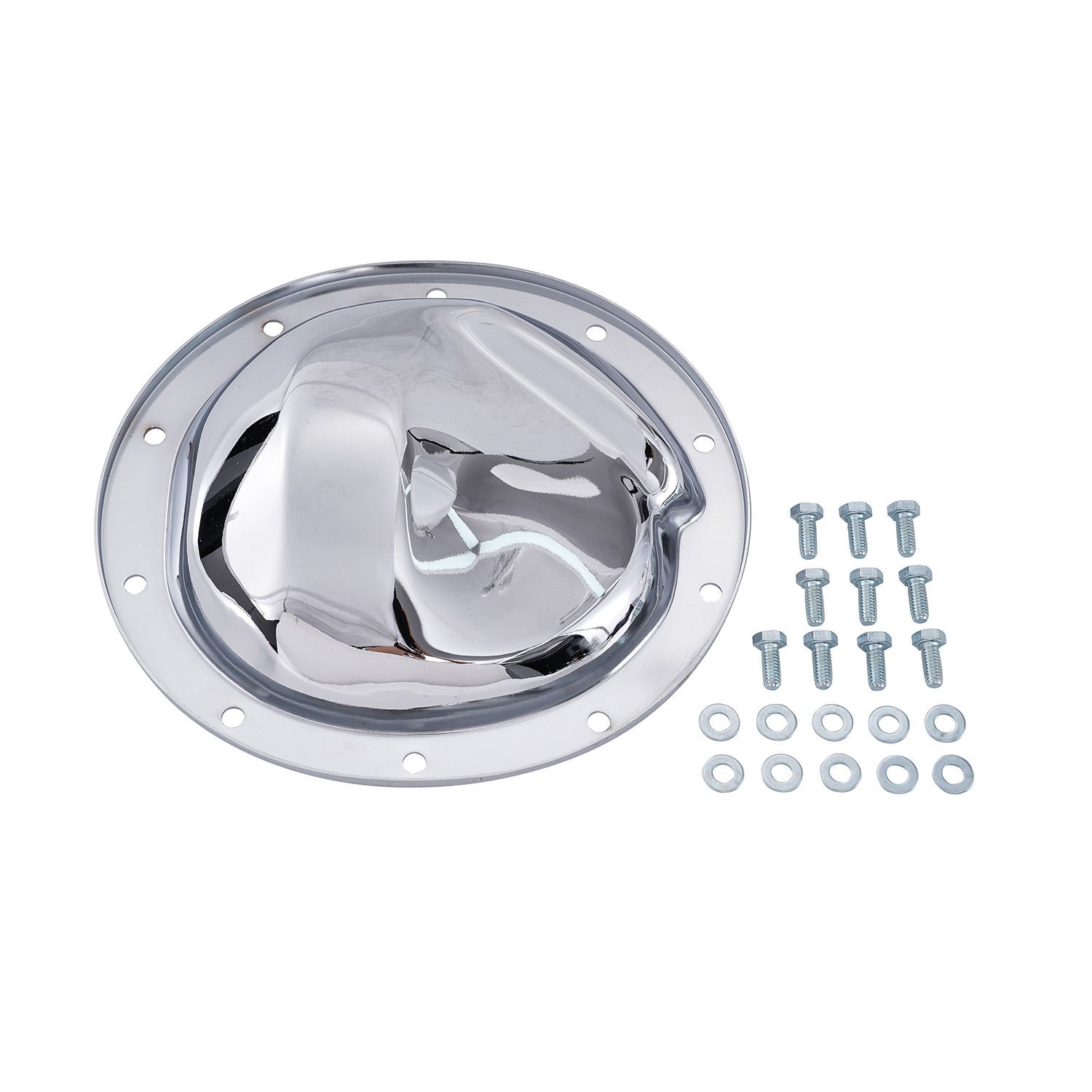
The Fundamental Question: Gasket Requirements
Yes, differential covers require sealing methods during installation. However, the specific approach—gasket vs. sealant—depends on application requirements, vehicle manufacturer specifications, and operational conditions.
Modern differential covers utilize either:
- Dimensional precut gaskets — Molded rubber or cork materials cut to exact housing specifications
- Formed-in-place (FIP) sealants — RTV silicone or specialized differential sealants applied as a bead
- Combination systems — Gasket with additional sealant at critical areas
The choice between these methods involves specific considerations based on cover material, housing surface condition, and operational demands.
Material Analysis: Gasket Options
Cork Composite Gaskets
Traditional cork gaskets have served differential applications for decades. Material properties include:
| Characteristic | Specification |
|---|---|
| Compression set resistance | Moderate |
| Oil resistance | Excellent |
| Temperature tolerance | -20°F to 200°F |
| Reuse capability | Single use recommended |
| Cost | Economical |
Cork gaskets compress during installation, creating conforming seals against housing surfaces. However, they exhibit limited recovery after compression, making reuse impractical. This material works adequately for standard maintenance intervals.
Molded Rubber Gaskets
Modern implementations frequently employ molded rubber—typically nitrile or silicone compounds:
| Characteristic | Specification |
|---|---|
| Compression set resistance | Excellent |
| Oil resistance | Excellent |
| Temperature tolerance | -40°F to 300°F |
| Reuse capability | Engineered for single use |
| Cost | Moderate |
Molded rubber provides superior recovery characteristics and longer-lasting seals. Material properties resist extrusion and maintain seal integrity through thermal cycling. This represents the preferred OEM specification material for most applications.
Silicone Formed-in-Place Seals
RTV silicone sealants have become increasingly prevalent in differential applications:
| Characteristic | Specification |
|---|---|
| Application method | Bead application |
| Gap filling capability | Excellent |
| Disassembly | Requires cutting |
| Reuse capability | No—must be removed completely |
| Cost | Variable based on product quality |
Silicone FIP applications offer superior conformity to irregular surfaces and excellent gap-filling capabilities. However, they create permanent bonds requiring mechanical removal for service access. This methodology has become standard for many late-model applications.
Installation Protocol: Best Practices
Surface Preparation
Proper surface preparation is fundamental to seal integrity:
- Remove all residual gasket material from housing surface
- Clean surface with brake cleaner or appropriate solvent
- Inspect for pitting, corrosion, or surface irregularities
- Lightly scuff housing surface with 80-grit sandpaper if surface oxidation is present
- Wipe clean with dry shop towel—no residual solvent
The housing sealing surface must be flat within 0.005 inches and free from contamination. Surface irregularities create leak paths that compromise seal integrity.
Gasket Application Procedure
For precut gaskets:
- Position gasket on housing, ensuring alignment with bolt holes
- Apply thin layer of differential-safe sealant (optional, recommended for aged surfaces)
- Install cover, hand-threading all bolts to prevent cross-threading
- Torque in alternating pattern, progressing through stages
- Final torque per manufacturer specification (typically 25-35 ft-lb for 3/8″ bolts)
Silicone Application Procedure
For FIP sealant applications:
- Apply 3/16″ to 1/4″ bead of RTV silicone to clean housing surface
- Avoid applying silicone in bolt hole areas—squeeze-out enters housing
- Install cover immediately—silicone begins skinning within minutes
- Torque per specifications before skin formation completes
- Allow 30-60 minutes before adding fluid or operating vehicle
Failure Mode Analysis
Leakage Without Cover Distortion
Differential cover leakage occurring without visible cover distortion typically indicates:
| Root Cause | Diagnostic Indicator |
|---|---|
| Surface contamination | Residue visible on mating surfaces |
| Gasket extrusion | Compressed gasket material visible at edges |
| Improper torque | Localized weeping at bolt locations |
| Surface pitting | Corrosion pattern on housing sealing surface |
Leakage With Cover Distortion
Visible cover distortion combined with leakage suggests:
- Overtorquing during installation
- Thermal expansion exceeding design limits
- Cover warping from heat exposure
- Improper tightening sequence causing uneven loading
Oil Foaming and Discoloration
Evidence of oil degradation with leakage indicates:
- Extended oil service intervals
- Thermal breakdown from excessive temperatures
- Water contamination (milky appearance)
- Coolant intrusion (brown discoloration)
Technical Specifications by Application
Passenger Vehicle Differentials
Factory specifications typically mandate:
- Molded rubber or cork gasket
- OEM-specified sealant if required
- Torque range: 25-35 ft-lb
- Reseal interval: 60,000-80,000 miles or at fluid change
Light Truck and SUV Differentials
Higher load applications require:
- Reinforced gasket materials or FIP silicone
- Condition-specific sealant selection
- Torque range: 30-45 ft-lb depending on cover material
- Inspection with each fluid service
Performance and Racing Applications
High-stress implementations benefit from:
- FIP silicone application exclusively
- Regular inspection intervals
- Thermal management considerations
- Racing-grade sealants rated for severe service
FAQ: Technical Clarifications
Q: Can I reuse the original differential cover gasket?
A: No—differential cover gaskets are engineered for single-use applications. The compression and thermal cycling experienced during operation permanently sets the gasket material. Reuse results in leakage due to compromised sealing surfaces. Always install a new gasket during cover reinstallation.
Q: Is silicone sealant acceptable as the only sealing method?
A: Yes, for most applications. Silicone FIP applications meet or exceed gasket performance when properly applied. Critical requirements include clean surfaces, correct bead size (3/16″-1/4″), and allowing adequate cure time before fluid addition. Some manufacturers specify silicone exclusively—follow OEM recommendations.
Q: What torque specification applies to differential covers?
A: Torque specifications vary by bolt size, cover material, and manufacturer. Standard 3/8″-16 bolts typically require 25-35 ft-lb. Aluminum covers may require reduced torque (20-25 ft-lb) to prevent stripping. Consult service documentation for specific applications.
Q: Why does my differential still leak after replacing the gasket?
A: Persistent leakage after gasket replacement indicates surface preparation deficiencies. Common causes include residual sealant contamination, surface pitting not addressed before installation, or improper surface cleaning. Light surface machining may be required to restore sealing surfaces on heavily pitted housings.
Q: Should I use thread sealant on differential cover bolts?
A: Generally no—differential cover bolts thread into blind holes in the housing. Thread sealant is unnecessary and may cause problems if compound enters the housing. Standard lubricant on threads (assembly lube or motor oil) is sufficient to prevent galling and ensure accurate torque readings.
Q: What is the appropriate fluid level after differential cover installation?
A: Fill to the bottom of the fill hole threads. The differential should be level during filling to ensure accurate measurement. Overfilling causes pressure buildup and seal stress. Underfilling results in inadequate lubrication and overheating.
Where to Buy a Where to Buy a Chrome Differential Cover?
If you’re looking for a reliable supplier, it’s important to choose a manufacturer that offers:
- Stable product quality
- Consistent supply
- Wholesale support
- OEM branding options
For bulk orders or reseller inquiries, you can check this product page:
If you’re looking for a reliable supplier, it’s important to choose a manufacturer that offers:
- Stable product quality
- Consistent supply
- Wholesale support
- OEM branding options
For bulk orders or reseller inquiries, you can check this product page: