How Long Do Brake Rotors Last?
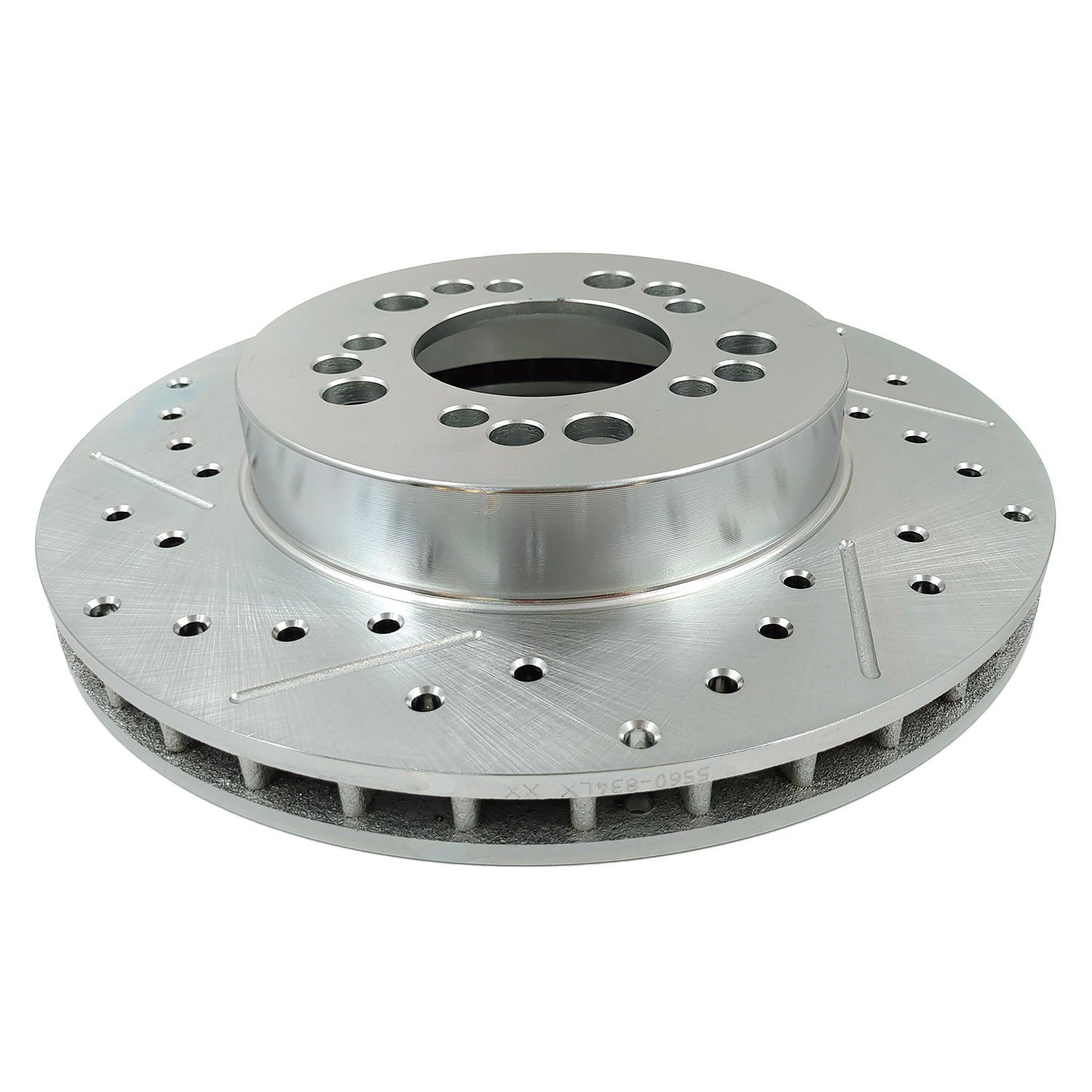
Brake rotors are among the most critical safety components on your vehicle, working in concert with brake pads to bring your car to a controlled stop. Understanding how long brake rotors last helps you plan for maintenance, recognize when replacement is necessary, and make informed decisions about brake service. While brake pads typically require replacement every 30,000 to 70,000 miles depending on driving habits, rotors often outlast multiple sets of pads, making them a longer-term investment in your vehicle’s safety system.
Average Brake Rotor Lifespan
The average brake rotor can last between 50,000 to 70,000 miles under normal driving conditions, though many rotors successfully exceed 100,000 miles with proper maintenance and moderate driving habits. According to automotive service experts, rotors generally last approximately three times longer than brake pads, meaning if you replace your pads at 40,000 miles, your rotors might not need attention until 120,000 miles. However, this estimate varies significantly based on driving style, vehicle type, and environmental factors. Front rotors typically wear faster than rear rotors because they handle approximately 70-80% of braking force during normal stops, making front rotor replacement more common than rear. Some vehicle owners report their original equipment rotors lasting well beyond 100,000 miles, while others find rotors requiring replacement after only 30,000 miles due to aggressive driving or harsh conditions.
The lifespan difference between rotors and pads creates an interesting maintenance dynamic where rotors often outlast two or three sets of pads. This doesn’t mean rotors are immune to wear—they can develop problems independent of pad wear, including warping from excessive heat, rust corrosion from moisture exposure, and damage from impact with potholes or road debris. Understanding these factors helps you anticipate rotor replacement needs and avoid unexpected brake system failures.
Factors Affecting Brake Rotor Lifespan
Multiple variables influence how long your brake rotors will last, making it important to consider your specific situation when estimating replacement timing.
Driving Habits and Style significantly impact rotor longevity. Aggressive drivers who frequently brake hard, brake at the last moment, or engage in “riding the brakes” create excessive heat in the braking system, accelerating wear on both pads and rotors. Each hard braking event generates tremendous friction and heat, causing rotors to wear faster, potentially warp, and develop hot spots that create pulsation during braking. Conversely, smooth, anticipatory driving that minimizes unnecessary braking extends rotor life considerably. Drivers who navigate mountainous terrain with long downhill grades also subject rotors to prolonged heat exposure, often requiring more frequent inspection and potential replacement than those driving primarily on flat terrain.
Vehicle Weight and Usage directly correlate with rotor wear rates. Heavier vehicles—trucks, SUVs, and full-size sedans—place greater stress on braking components, causing rotors to wear faster than those on lighter vehicles. Vehicles used for towing trailers or carrying heavy loads experience amplified brake stress, reducing rotor lifespan. Commercial vehicles, delivery vans, and cars subjected to consistent heavy loads may require rotor replacement twice as often as light-duty passenger vehicles.
Environmental Conditions play a crucial role in rotor longevity. Vehicles driven in coastal regions with salt air exposure face accelerated corrosion, with moisture and salt combining to attack rotor surfaces even during storage. Winter driving exposes brakes to road salt, slush, and moisture that promotes rust formation on rotor surfaces. While light surface rust is normal and typically wears off during driving, excessive rust accumulation can compromise rotor integrity and require replacement. Vehicles parked outside in humid climates or regions with harsh winters experience faster rotor degradation than those garaged in mild, dry environments.
Brake Pad Material selection affects rotor wear alongside pad longevity. Soft compound brake pads—often used for quiet operation or dust reduction—tend to wear rotors faster than harder compounds designed for durability or performance. Conversely, extremely hard racing brake pads can glaze rotors and cause uneven wear patterns. OEM-specified brake pads typically provide a balanced approach to pad and rotor wear, while aftermarket performance pads may trade rotor longevity for improved braking performance or fade resistance.
Signs Your Brake Rotors Need Replacement
Recognizing the warning signs of rotor problems helps you address issues before they compromise safety or cause additional damage to your braking system.
Vibration or Pulsation Through the Brake Pedal indicates warped rotors that have developed uneven thickness variations. When rotors warp from excessive heat, they no longer maintain flat, even contact with brake pads, creating a pulsing sensation that travels through the brake pedal and sometimes into the steering wheel. This condition typically worsens at higher speeds and during hard braking, potentially causing dangerous steering wheel shake at highway velocities. Warped rotors compromise braking consistency and should be evaluated by a professional immediately.
Visual Scoring and Grooving on rotor surfaces develops from abrasive particles becoming trapped between pads and rotors, or from brake pad wear indicators digging into the rotor face. Light scoring is common and often acceptable if minimal, but deep grooves that can be felt with a fingernail indicate significant wear. When rotors develop deep scoring, new brake pads wear out much faster than intended as they attempt to fill the grooves rather than contacting flat rotor surfaces. Excessive scoring reduces braking effectiveness and often necessitates rotor replacement rather than resurfacing.
Excessive Thickness Variation between different areas of the same rotor creates uneven braking pressure distribution. This condition, known as taper wear, typically develops from excessive use in one area of the rotor—often from worn brake calipers that apply uneven pressure or from persistent driving with misaligned wheels. Thickness variation can often be measured with precision calipers, with rotors requiring replacement if variation exceeds manufacturer specifications, typically around 0.001 to 0.002 inches.
Rotor Thickness Below Minimum Specifications represents the definitive indicator that replacement is necessary. Every rotor has a minimum thickness stamped on its surface or listed in manufacturer specifications. As rotors wear from use, they approach this minimum thickness, at which point they must be replaced. Continuing to drive on rotors below minimum thickness risks rotor cracking, brake failure, and potentially dangerous situations. Professional measurement with calibrated tools determines whether rotors have reached their service limit.
Rust and Corrosion Accumulation particularly on stored or infrequently driven vehicles can compromise rotor integrity beyond salvageable levels. While surface rust from occasional moisture exposure typically wears off during normal driving, extensive rust penetration can weaken rotor structure, create pits and grooves, and prevent proper pad contact. In extreme cases, rotors become more rust than metal, requiring complete replacement regardless of measured thickness.
Brake Rotor vs Brake Pad Lifespan Comparison
Understanding the relationship between brake pad and rotor wear helps you plan maintenance and budget appropriately for brake service.
Brake pads typically require replacement every 30,000 to 70,000 miles depending on driving habits, with aggressive drivers replacing pads as frequently as every 20,000 miles while gentle drivers may reach 80,000 miles on a single set. Brake rotors, being more durable, generally last approximately two to three times longer than brake pads under similar conditions. This means the average driver might replace brake pads twice or three times before rotors require attention, though rotors still represent a significant investment when replacement time arrives.
However, this comparison isn’t universal. Severe service conditions—frequent towing, mountainous driving, aggressive usage—accelerate wear on both components, sometimes equally. In these scenarios, rotors might require replacement at the same time as pads, particularly if drivers consistently push components beyond their design limits. Additionally, brake pad material choice affects rotor wear, meaning switching to a different pad compound might extend pad life while reducing rotor longevity, or vice versa.
Many automotive experts recommend replacing rotors whenever pads are replaced during normal service, as this approach provides fresh braking surfaces optimized for new pads, eliminates the possibility of rotor-related issues causing premature pad wear, and typically costs only marginally more than resurfacing alone. However, rotors in good condition with minimal wear can certainly be retained through one or two pad replacement cycles, making individual inspection necessary rather than assuming replacement every time pads are changed.
Maintenance Tips to Extend Brake Rotor Life
Proper maintenance and driving habits can significantly extend your brake rotors’ serviceable lifespan, maximizing your investment in braking components.
Smooth Driving Techniques dramatically reduce brake system stress and heat generation. Anticipate traffic patterns and coast whenever possible to minimize braking events. Gentle, progressive brake application rather than sudden, hard stops reduces heat shock and thermal stress on rotors. When descending hills, use engine braking by downshifting to reduce reliance on friction brakes, allowing brakes to cool rather than sustain prolonged heat exposure. These techniques extend rotor life while simultaneously improving fuel economy.
Regular Brake Inspections catch developing problems before they require expensive repairs or create safety concerns. Include rotor visual inspection during tire rotations or regular vehicle maintenance intervals. Look for signs of scoring, rust accumulation, and thickness variation. Professional inspection during brake pad replacement provides comprehensive rotor assessment using calibrated measuring tools that determine whether resurfacing or replacement is appropriate.
Address Related Brake Problems Promptly prevents cascading damage throughout the braking system. Worn or seized brake calipers apply uneven pressure to rotors, causing tapered wear and thickness variation that necessitates premature replacement. Stuck brake caliper slides create similar problems alongside reduced braking effectiveness. When replacing brake pads, inspect calipers for proper operation and address any issues discovered, protecting your investment in new rotors.
Appropriate Brake Pad Selection balances pad longevity, rotor wear, noise levels, and braking performance. Consult your vehicle’s specifications and consider your actual driving conditions when selecting replacement pads. Performance-oriented pads often wear rotors faster but provide improved braking feel and fade resistance. OEM-equivalent pads typically provide balanced wear characteristics suitable for most drivers. Avoid extremely cheap brake pads, as their inconsistent quality often causes accelerated rotor wear regardless of driving style.
Proper Vehicle Storage protects rotors from environmental degradation during periods of disuse or infrequent driving. Garage storage in climate-controlled environments minimizes moisture and humidity exposure. If garage storage isn’t possible, consider using your vehicle regularly to keep brake components warm and dry, preventing moisture accumulation that promotes rust. For vehicles stored for extended periods, applying a thin coat of brake lubricant to rotor surfaces (avoiding friction areas) can provide temporary corrosion protection.
When to Replace vs. Resurface Brake Rotors
Making the decision between rotor replacement and resurfacing depends on rotor condition, cost considerations, and practical factors.
Resurfacing (also called turning or machining) removes a thin layer of material from rotor surfaces, creating fresh, smooth friction surfaces compatible with new brake pads. This approach costs less than full replacement and extends rotor service life when rotors have light scoring, minor thickness variation, or surface imperfections. Resurfacing makes sense when rotors are above minimum thickness specifications, show only superficial wear, and are being replaced alongside new brake pads. Many automotive professionals recommend resurfacing whenever rotors are within specifications but exhibit any wear marks, as this optimizes conditions for new pads.
Replacement becomes necessary when rotors have reached minimum thickness specifications, display excessive scoring or grooving that would require removing too much material during resurfacing, show signs of cracking or structural damage, or have experienced heat-related warping that cannot be corrected. Replacement provides peace of mind with guaranteed fresh components, though at higher cost than resurfacing. For rotors significantly worn or damaged, replacement represents the only viable option.
Cost Considerations often influence the replace-versus-resurface decision. In many cases, the cost difference between resurfacing and replacement is minimal—perhaps $50 to $100 savings by resurfacing. When rotor prices are low (as with common vehicle applications), replacement often provides better value than resurfacing, particularly considering the improved braking performance of new rotors versus resurfaced units that have already experienced wear. For expensive rotors on specialty or performance vehicles, resurfacing makes more economic sense if conditions allow.
Frequently Asked Questions About Brake Rotor Lifespan
Can brake rotors last 100,000 miles?
Yes, many brake rotors successfully provide excellent service for 100,000 miles or more, particularly on vehicles driven moderately with good brake pad materials. OEM-quality rotors on typical passenger vehicles often reach this milestone, though front rotors on heavier vehicles or those subjected to aggressive driving may require earlier replacement. Regular inspection helps determine whether your rotors are approaching replacement needs regardless of mileage.
How do I know if my rotors need replacing versus resurfacing?
Professional measurement determines whether rotors are above minimum thickness specifications. If rotors measure within acceptable tolerances, resurfacing can restore friction surfaces. If rotors have reached or are below minimum thickness, replacement is necessary. Visual inspection for cracking, severe scoring, or deformation also indicates replacement necessity regardless of thickness measurements.
Should I replace rotors every time I replace brake pads?
Not necessarily. If rotors are in good condition with minimal wear, they can typically serve through multiple pad replacement cycles. However, many mechanics recommend rotor replacement with pads because fresh rotors optimize new pad performance, eliminate potential issues from marginally-worn rotors, and add relatively modest cost to the overall brake job. Discuss your specific rotors’ condition with your mechanic to make an informed decision.
Why do my rotors rust so quickly?
Rotor rust develops from moisture exposure, particularly in humid climates, during winter driving with road salt, or when vehicles sit unused for extended periods. Cast iron rotors are inherently susceptible to corrosion. Regular driving keeps rotors warm and dry, minimizing rust accumulation. Surface rust that wears off during normal braking is normal; excessive rust that creates pitting or surface defects may require rotor replacement.
Do performance brake pads wear out rotors faster?
Yes, performance-oriented brake pad compounds typically use harder friction materials that provide improved high-temperature resistance and fade performance at the cost of increased rotor wear. If you’ve switched to performance pads and notice rotors wearing faster, this represents a normal trade-off for improved braking capability. Conversely, switching from hard to softer brake pads may reduce rotor wear while potentially increasing pad wear rates.
Conclusion
Brake rotors represent a critical safety investment that typically outlasts multiple sets of brake pads under normal driving conditions. Understanding the 50,000 to 70,000 mile average lifespan—though many rotors exceed 100,000 miles—helps you plan maintenance and recognize when replacement becomes necessary. Factors including driving habits, vehicle weight, environmental conditions, and brake pad material selection all influence rotor longevity, making individual assessment more valuable than relying solely on mileage estimates.
The key to maximizing brake rotor lifespan lies in smooth driving techniques, regular inspection, prompt attention to related brake system issues, and appropriate brake pad selection for your vehicle and driving style. When rotor replacement becomes necessary, weigh the costs and benefits of resurfacing versus replacement based on your specific rotor condition rather than making assumptions based on cost alone. Your braking system protects you, your passengers, and others on the road—investing in proper maintenance ensures reliable stopping power when you need it most
Where to Buy a Where to Buy a Rear Left Brake Rotor?
If you’re looking for a reliable supplier, it’s important to choose a manufacturer that offers:
- Stable product quality
- Consistent supply
- Wholesale support
- OEM branding options
For bulk orders or reseller inquiries, you can check this product page:
If you’re looking for a reliable supplier, it’s important to choose a manufacturer that offers:
- Stable product quality
- Consistent supply
- Wholesale support
- OEM branding options
For bulk orders or reseller inquiries, you can check this product page: