
What Are Valve Covers and What Do They Actually Do?
Pop the hood of any car and you’ll see them sitting on top of the engine—the stamped metal or cast pieces bolted to the top of the cylinder head. Valve covers. Most people glance right past them, but these components do important work that keeps your engine running properly.
If you’re wondering what they actually do, or maybe dealing with an oil leak and trying to understand what’s going on, let’s get into it.
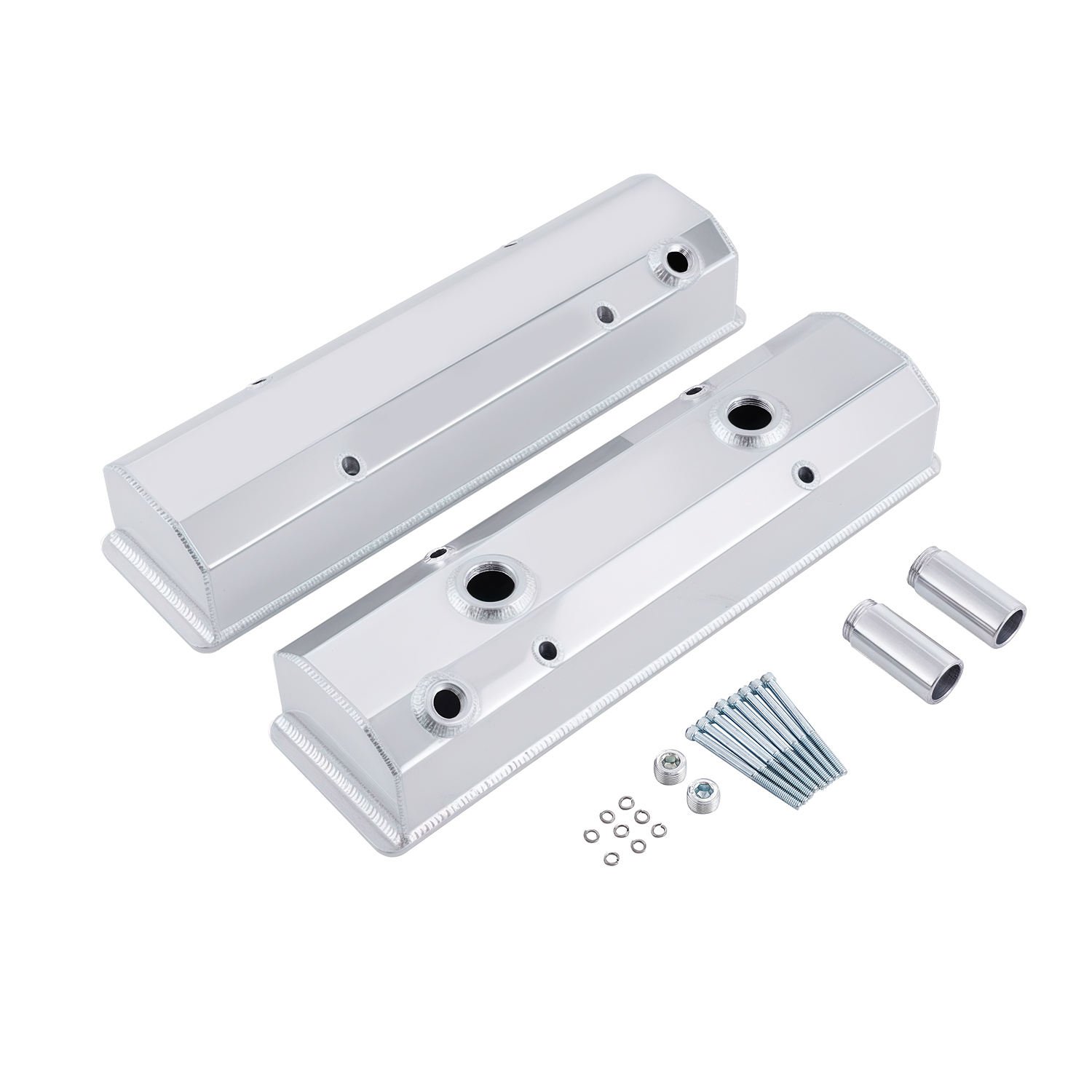
What Is a Valve Cover?
A valve cover is quite literally the cover for your engine’s valve train—the assembly of components that controls air intake and exhaust flow into and out of your cylinders. The valve train lives inside the cylinder head, and the valve cover seals the top of that assembly, keeping oil in and debris out.
On an overhead cam engine (which is basically every modern engine), the valve cover sits over the camshafts, timing chains or belts, and the top of the valve springs and rockers. It’s a structural enclosure that completes the top of the engine.
The valve cover bolts directly to the cylinder head using a gasket to create a seal. That gasket is the most common failure point—and the source of most valve cover-related oil leaks.
What Do Valve Covers Actually Do?
The valve cover serves several functions:
Contain oil. This is the big one. The valve train needs oil to lubricate the camshafts, lifters, rockers, and valve stems. The valve cover creates an oil-tight enclosure that keeps that oil where it belongs instead of spraying all over your engine bay.
Seal out debris. Dust, dirt, water, and road debris can’t get into the valve train area. Contamination in the valve train causes rapid wear and cam failures.
Provide PCV routing. Many valve covers incorporate the positive crankcase ventilation (PCV) system connections. Crankcase gases get routed through the valve cover and back into the intake.
Hold ignition components. On some engines, the valve cover provides mounting points or a ground plane for ignition components like coil packs or plug wires.
Heat dissipation. The valve cover, especially aluminum ones, helps dissipate heat from the valve train area. Some racing valve covers have integrated heat dissipation features.
Appearance. Yeah, looks matter. Chrome valve covers on a classic muscle car or billet aluminum covers on a show car are aesthetic choices. Functionally, a painted steel cover works the same way—but nobody posts photos of their beater valve covers on Instagram.
What Are Valve Covers Made Of?
Different materials serve different purposes:
| Material | Pros | Cons | Common Use |
|---|---|---|---|
| Stamped steel | Cheap, factory look | Prone to rust, basic appearance | OEM on economy cars |
| Cast aluminum | Light, good heat dissipation, looks good | More expensive | Performance cars, aftermarket |
| Magnesium | Extremely light | Flammable, expensive, rare | Race-only applications |
| Carbon fiber | Light, strong, high-end look | Very expensive | Show cars, race builds |
| Composite/plastic | Cheap, lightweight | Less durable, heat concerns | Some modern OEM applications |
For most people, stamped steel (if replacing OEM) or cast aluminum (if upgrading) makes the most sense. Aluminum valve covers are the go-to for performance builds because they look good, dissipate heat well, and are durable enough for real use.
Common Valve Cover Problems
Here’s what goes wrong with valve covers:
Oil leaks at the gasket. This is the number one problem. The valve cover gasket (usually cork, rubber, or silicone) hardens over time, loses its sealing ability, and lets oil seep out. You’ll see wet oil around the edges of the valve cover, especially near the corners.
Warped valve cover. Heat cycles cause the metal to warp slightly over time. A warped cover doesn’t seal evenly, even with a new gasket.
Rust on steel covers. If you live in an area with salt on roads in winter, steel valve covers rust. Rust weakens the metal and creates leak paths.
Stripped threads. The valve cover bolts into threaded holes in the cylinder head. If those threads get crossthreaded or the bolts are overtightened, the threads strip. Then you can’t get a good seal.
Breather or PCV issues. If the valve cover has integral PCV connections, those can clog or fail, causing crankcase pressure buildup that blows the gasket out.
Signs Your Valve Cover Gasket Is Failing
How do you know it’s time to replace the valve cover gasket?
Wet oil around the valve cover edges. This is the obvious one. Oil seeping out where the cover meets the cylinder head means the gasket isn’t sealing.
Oil pooling on top of the engine. If you’re seeing puddles or accumulated grime on the valve cover itself (not just edges), you might have a vent or seal issue.
Engine running rough. Oil getting onto spark plug wires or ignition components causes misfires. If your engine suddenly runs rough and you see an oil leak, check the valve cover.
Burning oil smell. Oil dripping onto hot exhaust manifolds creates a distinctive smell. If you’re getting that smell after parking, you might have a valve cover leak.
Should You Upgrade to Aluminum Valve Covers?
This comes up a lot, especially for older engines. Here’s the honest take:
Reasons to upgrade:
- You’re building a performance engine that needs better heat dissipation
- You want the aesthetic (chrome or polished aluminum looks good)
- You’re constantly fighting leaks with the stock steel covers
- Your stock covers are rusted beyond salvation
Reasons to stick with stock:
- Your engine is stock and you’re not chasing performance
- You’re doing a numbers-matching restoration where OEM appearance matters
- You don’t want to spend the money
For most daily drivers, a direct-fit replacement of the same material is fine. For performance builds, aluminum covers are worth the investment—they look better, last longer, and help with heat management.
How to Replace a Valve Cover Gasket
This is a common DIY job. Here’s the quick version:
The job takes 30 minutes to an hour for most vehicles. The tricky part is getting the surfaces perfectly clean and torquing evenly.
Valve Cover Materials for Performance
If you’re building something that revs high or sees track time, material choice matters more:
| Application | Recommended Material | Why |
|---|---|---|
| Daily driver | Stock replacement | Works fine, no need to upgrade |
| Street performance | Cast aluminum | Good heat dissipation, durable, looks better |
| Auto-cross / HPDE | Cast aluminum or billet | Needs to handle sustained high RPM |
| Circle track | Thick aluminum or billet | Serious duty, needs maximum durability |
| Drag racing | Aluminum with breathers | High RPM, need crankcase venting |
| Show car | Chrome or polished | Aesthetic is the priority |
For any application that sees serious RPM or extended driving sessions, cheap stamped steel covers aren’t ideal. The gasket surface warps faster under heat stress, and heat dissipation suffers.
FAQ
Q: Can I drive my car with a bad valve cover gasket?
A: You can for a while, but the leak will get worse. Oil on hot exhaust components is a fire risk, and low oil from the leak will eventually cause engine damage. Fix it before it leaves you stranded or causes bigger problems.
Q: Should I use RTV silicone with the new gasket?
A: Sometimes yes, sometimes no. Some gaskets are designed to be installed dry. Others benefit from a small bead of silicone at the corners. Read the instructions that come with your gasket—if they say dry, install it dry. If they say silicone, use it sparingly at corners only.
Q: What’s the difference between valve cover gaskets and valve cover seals?
A: Same thing. Different manufacturers call them different names. The gasket (or seal) creates the seal between the valve cover and cylinder head.
Q: Can valve covers cause oil consumption?
A: Not directly, but a leaking valve cover gasket means oil is leaving the engine. If the leak is significant, you might be burning oil that was dripping onto exhaust components. Fix the leak to stop the oil loss.
Q: How long do valve cover gaskets last?
A: Typically 80,000-120,000 miles for rubber gaskets. Cork gaskets in older engines might last less. Heat, age, and exposure to oil degrade the material over time.
Q: Are chrome valve covers just for looks?
A: Mostly yes, but not entirely. Chrome aluminum covers are typically cast aluminum underneath—they look good and dissipate heat better than stamped steel. Pure chrome plastic covers are aesthetic only. For performance, the aluminum construction matters more than the chrome finish.
Where to Buy a Where to Buy a Aluminum Fabricated Valve Covers?
If you’re looking for a reliable supplier, it’s important to choose a manufacturer that offers:
- Stable product quality
- Consistent supply
- Wholesale support
- OEM branding options
For bulk orders or reseller inquiries, you can check this product page:
If you’re looking for a reliable supplier, it’s important to choose a manufacturer that offers:
- Stable product quality
- Consistent supply
- Wholesale support
- OEM branding options
For bulk orders or reseller inquiries, you can check this product page: