
How to Install an Oil Filter Adapter on Your Small Block Chevy: The No-Nonsense Guide
So you need to install an oil filter adapter on your small block Chevy. Maybe the old one is leaking, maybe you’re doing a swap that requires a different setup, maybe you’re just upgrading to something better. Either way, you’re here because you want to know how this actually works.
Let’s get into it.
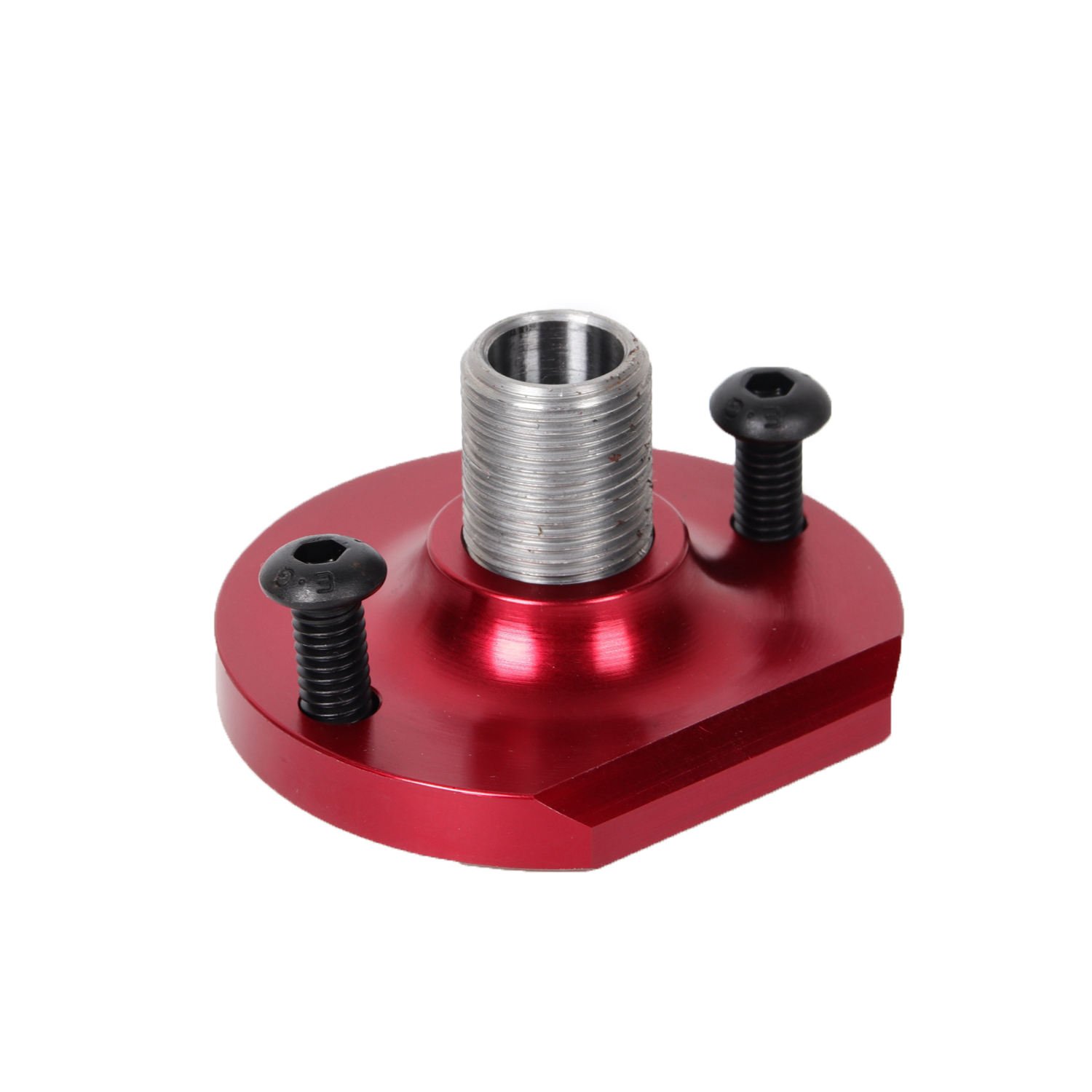
What’s the Deal with Oil Filter Adapters on a Small Block Chevy?
Here’s the situation. The small block Chevy in its various forms has been around forever, and over the years, it’s used different oil filter setups. Early engines used the canister-style filters mounted on the side of the block. Later, the spin-on cartridge became standard. Different decades, different designs, different adapter requirements.
An oil filter adapter does exactly what it sounds like—it adapts the oil filter mounting point to whatever filter you want to use. If you’re swapping to a different filter style, converting to a remote mount system, or just replacing a worn adapter, you need to know what you’re working with.
The KAROX SBC oil filter adapter is a direct-fit replacement that lets you mount a spin-on filter where you need it. Whether you’re doing a custom oiling setup, clearing headers, or just need better filter access, having the right adapter matters.
Why Would You Even Need This?
Here’s where people get confused. Why mess with the adapter at all? Here’s why this comes up:
Header clearance. Factory oil filter placements often stick out where headers want to go. Moving the filter (and thus the adapter) solves the interference problem without rewelding your engine bay.
Remote mounting. Some builds need the filter somewhere other than the block face. A remote filter kit needs adapter plumbing to feed it.
Filter style change. Maybe you want to run a specific filter that doesn’t fit the factory setup. Different adapter, different capability.
Replacing a broken one. Sometimes the adapter just cracks, warps, or fails. Time for a new one.
Swap compatibility. When you’re dropping a different engine or building something custom, adapters become part of the puzzle.
What You’re Working With
The typical SBC oil filter adapter setup involves:
| Component | What It Does |
|---|---|
| Adapter body | Mounts to the block, provides filter mounting |
| O-ring or gasket | Seals the adapter to the block |
| Bypass valve | Prevents excess pressure if filter clogs |
| Mounting bolts | Secures adapter to block |
| Filter nipple/hole | Where the filter threads on |
The KAROX adapter features CNC machined construction for precision fit and includes the bypass valve functionality. It bolts on using the existing block mounting points, so you’re not drilling or welding—just swapping out the old adapter for the new one.
The Installation Process
Here’s how this job actually goes:
Step 1: Get the Old Adapter Out
First, drain your oil and remove the existing filter. You don’t want hot oil everywhere when you’re wrestling this thing off.
Then locate the adapter on the side of the block. On most SBCs, it’s on the passenger side front, held on by two bolts.
Remove those bolts, maybe with a little penetrating oil if they’re stuck. Tap the adapter gently with a rubber mallet to break it loose if it’s being stubborn. Don’t beat on it—you’ll damage the block surface.
Once it’s off, scrape off all the old gasket material. This is important. Any debris left on the block surface creates a leak path for the new adapter.
Step 2: Check the Block Surface
With the old adapter gone, look at where it mounted. The block face should be clean and flat. If you see any gouges, deep scratches, or corrosion, you might need to address that before installing the new adapter.
Light surface imperfections usually seal fine with a new gasket. Deep damage? That’s a different problem.
Also check the threads where the mounting bolts go. Cross-threaded or damaged threads can be repaired, but you want to know before you start.
Step 3: Install the New Adapter
Here comes the actual work:
- Position the new adapter against the block. Make sure it’s aligned properly—some adapters have an “up” orientation that matters for oiling passages.
- Install the gasket. Some adapters use a gasket that goes between the adapter and block. Some use an O-ring. Follow what your specific adapter requires.
- Thread the mounting bolts by hand first. Get them started evenly. Cross-threading a bolt into the block is a bad way to start an afternoon.
- Snug everything down in a star pattern—tighten each bolt a little, then move to the next, working back and forth until everything is seated.
- Torque to spec. Check what the adapter manufacturer recommends. Usually somewhere in the 15-25 ft-lb range for these small bolts.
Step 4: Add the Filter
Thread your oil filter onto the adapter nipple. Hand-tight is fine—no need to crank it with a strap wrench. Over-tightening filter attachments is a great way to make the next change a nightmare.
Step 5: Fill and Check
Pour your oil back in, start the engine, and watch. You’re looking for leaks at the adapter face and around the filter seal. Any weeping? Stop the engine, let it cool, and address it before driving.
Common Problems and How to Avoid Them
Here’s what goes wrong:
Leaking at the block face. Usually caused by debris under the gasket or an uneven surface. Clean everything perfectly. If the block surface is questionable, use a gasket sealant rated for oil applications—but only if the adapter instructions allow it.
Leaking at the filter. Filter not seated properly, or the filter seal is damaged. Make sure the seal is clean and not glued down from a previous installation.
Oil pressure issues. If your pressure drops after installing a new adapter, check the bypass valve. Some adapters have a built-in bypass—if it’s stuck open or missing, you’ll see low pressure.
Adapter won’t fit. Yep, this happens. SBC blocks came in different configurations over the years. Make sure your adapter matches your block’s oiling system type. There’s no universal adapter that fits every SBC ever made.
The Bypass Valve Thing
Some oil filter adapters have a built-in bypass valve. This is actually important.
When your oil filter gets clogged, pressure builds up behind it. The bypass valve lets oil flow past the filter if pressure gets too high—without it, you’d blow out seals or rupt something. The bypass is a pressure relief valve that protects your engine when filters get saturated.
If your adapter doesn’t have a bypass, or if the bypass is stuck closed, you can have pressure problems. Check that your adapter has functioning bypass capability, especially for high-mileage engines or filters that see extended service intervals.
FAQ
Q: Can I run my small block without an oil filter adapter gasket?
A: No. The gasket seals the adapter to the block. Running without one means you’ll have an oil leak that won’t stop until you fix it. Always use the proper gasket or O-ring for your specific adapter.
Q: How do I know which oil filter adapter fits my SBC?
A: Check the block configuration. SBCs came in different oiling setups over the years—some use a side-mount adapter, some use a front-mount, some have different bypass provisions. Match your adapter to your block’s configuration and year.
Q: Why is my oil pressure dropping after installing a new adapter?
A: Check the bypass valve. If it’s stuck open or if the adapter has a blockage in the passages, pressure will be low. Also verify you didn’t get debris in the oiling passages during installation.
Q: Can I install a remote oil filter with this adapter?
A: Yes, but you’d need additional fittings and hose to route oil to a remote filter location. The adapter provides the mounting point; the remote kit adds the plumbing. They’re separate components that work together.
Q: Should I use thread sealant on the mounting bolts?
A: Generally no. The gasket provides the seal at the block face. Thread sealant on the mounting bolts could interfere with proper clamping force. Just make sure the bolt threads are clean and properly torqued.
Q: How tight should the oil filter be on the adapter?
A: Hand-tight is sufficient. The filter seal compresses when you thread it on—by hand, you should feel it compress and then stop. If you’re using a strap wrench to get it tighter, you’re overdoing it.
Where to Buy a Where to Buy a SBC BBC Oil Filter Adapter?
If you’re looking for a reliable supplier, it’s important to choose a manufacturer that offers:
- Stable product quality
- Consistent supply
- Wholesale support
- OEM branding options
For bulk orders or reseller inquiries, you can check this product page:
If you’re looking for a reliable supplier, it’s important to choose a manufacturer that offers:
- Stable product quality
- Consistent supply
- Wholesale support
- OEM branding options
For bulk orders or reseller inquiries, you can check this product page: