
How to Remove a Water Pump Pulley: Because Yours Is Probably Stuck On There Real Good
So you’ve got a water pump pulley that’s decided to become permanently attached to your water pump shaft. It happens. After years of heat cycles, corrosion, and just being under load, these things can get welded on there in ways that make you want to throw wrenches.
Before you do anything drastic, let’s talk about how this actually comes apart.
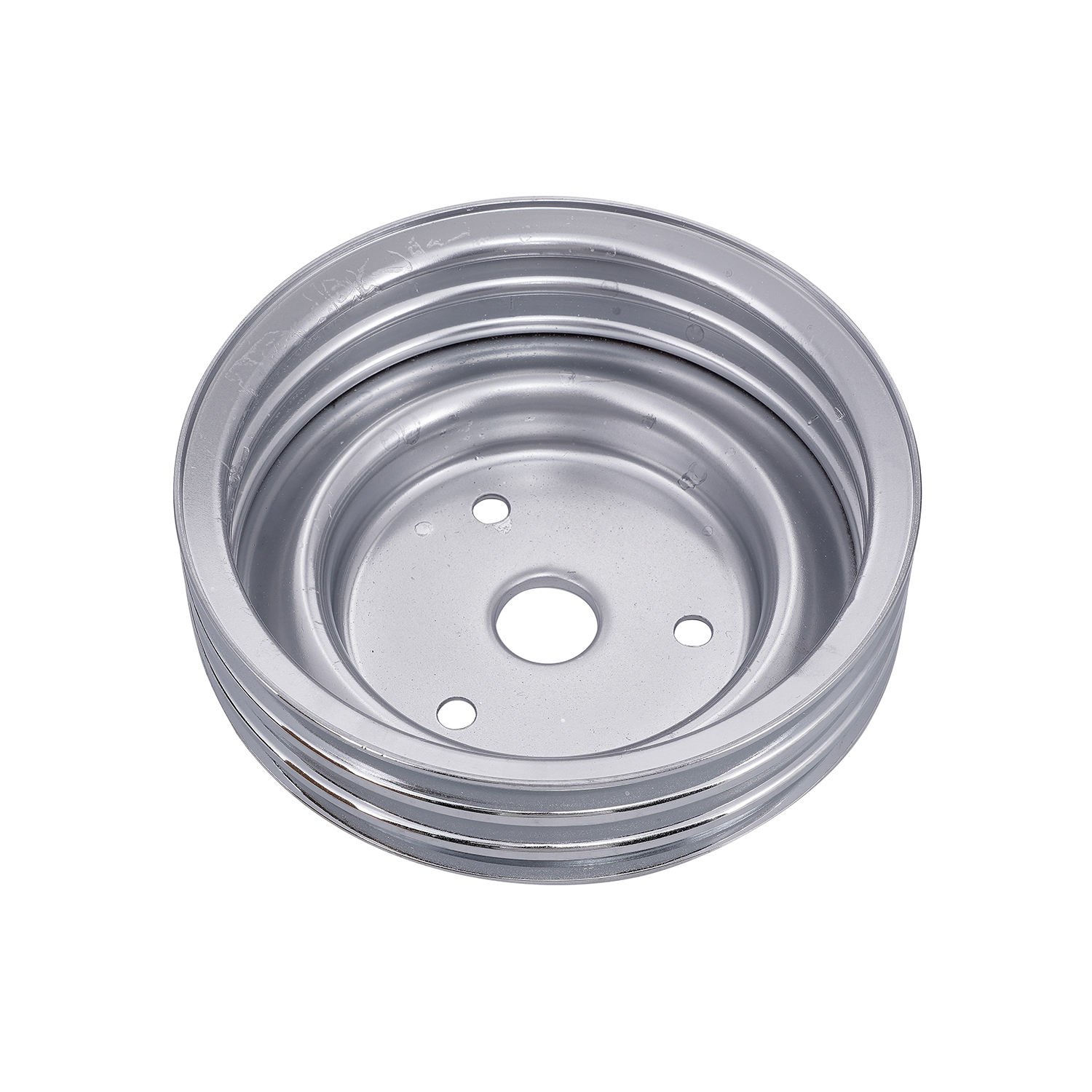
Why Are These Things Always Stuck?
Here’s the deal: water pump pulleys sit right at the front of the engine, exposed to heat, road salt, and moisture. The aluminum pulley and steel shaft expand at different rates when things heat up and cool down. Over time, galvanic corrosion builds up where the two metals meet. The result is a pulley that’s basically fused to the shaft.
The longer it’s been on there, the worse it gets. A fresh pulley from the parts store comes off easy. A pulley that’s been spinning for 100,000 miles? That’s a different story.
What You’re Working With
Most water pump pulleys are held on by the center bolt that threads into the water pump shaft. The pulley just slides over that shaft and sits against a shoulder. There’s usually a pressed-fit situation happening too—the pulley bore is sized to grip the shaft.
Removing it means overcoming that press fit and getting it off the shaft without damaging the threads or the shaft surface.
The Tool Situation
Here’s what actually works for this job:
| Tool | What It’s For | How It Works |
|---|---|---|
| Harmonic balancer puller | The go-to tool | Threads into the pulley center, pushes against shaft to pull pulley off |
| Three-jaw puller | Alternative approach | Jaws grab the pulley rim, center bolt pushes shaft away |
| Two-jaw puller | Works too | Similar to three-jaw, just fewer contact points |
| Slide hammer | For stubborn situations | Impact force helps break the bond |
| Brass punch and hammer | Last resort | Tap around the edge to shock it loose |
The harmonic balancer puller is the professional tool for this. If you’re doing engine work regularly, these are worth having. For one-off jobs, you can usually rent one from an auto parts store or borrow from a friend who’s into cars.
The Removal Process
Here’s how this actually goes down:
Step 1: Secure the Engine
Before you start pulling on anything, make sure the engine is stable. If you’re working with the engine in the car, put it in gear and use wheel chocks. If the engine is on a stand, make sure it’s not going anywhere.
You don’t want the engine spinning while you’re trying to unstick a pulley.
Step 2: Remove the Belt
Loosen the belt tensioner and slip the belt off the pulley. This gives you access to everything and means the pulley isn’t being held by belt tension.
Step 3: Install the Puller
This is where people get frustrated if they don’t know what they’re doing.
Thread the puller center bolt into the pulley center—there’s usually a hole or thread for this. The puller body should sit against the end of the water pump shaft.
Now thread the puller bolts into the puller body and snug them up evenly.
Step 4: Pull
Gradually tighten the center bolt. As you do, the puller pushes against the shaft and pulls the pulley off. Work it slowly. If you crank it hard and fast, you might damage something or cock the pulley sideways.
If it’s really stuck, give it a break. Spray some penetrating oil around the shaft interface, let it sit for a few minutes, then try again.
Step 5: Check the Shaft
With the pulley off, check the shaft. Look for any damage, burrs, or corrosion. If there’s buildup on the shaft, clean it up before installing the new pulley.
Also check the shaft threads while you’re in there. Make sure they’re clean and undamaged.
If You Don’t Have a Puller
Sometimes you don’t have access to a puller. Here’s what else works:
The hammer and punch method. Use a brass punch (never steel on aluminum pulleys) and tap around the pulley edge while pulling up on it. The impacts help break the bond. This is slower and less controlled, but it works.
Two-by-four and hammer. Place a block of wood against the shaft and tap the pulley rim with a hammer. Pull up on the pulley between hits. Again, slower, but possible.
Penetrating oil and patience. Spray the shaft interface, let it soak, try again. Heat cycles help—running the engine to warm everything up, then letting it cool, sometimes breaks the bond.
What NOT to Do
Here’s where people destroy things:
Don’t hammer directly on the pulley. Smacking the face with a steel hammer damages the pulley, creates a mess, and rarely helps.
Don’t pry it off. Forcing a pry bar under the edge usually bends something or breaks the pulley. The puller method is clean.
Don’t cut it off. If you’re thinking “I’ll just cut this thing off,” think about what you’re cutting into. The shaft is right there. One slip and you’ve got bigger problems.
Don’t overheat it. Some people try to heat the pulley to expand the aluminum and break the bond. This works sometimes, but you risk damaging seals and other components nearby. Skip it.
Getting the New Pulley On
While we’re on the subject:
Installing a new pulley is usually easier than removing the old one. The shaft goes through the pulley bore, and you tighten the center bolt until the pulley seats against the shoulder. Then you’re done.
But—make sure you get the right pulley. Water pump pulleys come in different diameters and configurations for different belt systems. Double-check that the new one matches what your car needs.
Also check that the pulley sits flush and doesn’t wobble. Any wobble means the bore is oversized or the shaft is damaged. You might need to address that before proceeding.
FAQ
Q: Can I just leave the old pulley on and install a new water pump with the pulley still attached?
A: In some cases, yes—the pulley might press off the old pump and go right on the new one. But if the pulley is worn, cracked, or the wrong one for your application, you should replace it when doing the pump. New pump, new pulley.
Q: My pulley wobbles after installation. What’s wrong?
A: Either the bore is oversized on the new pulley, or there’s debris/corrosion on the shaft that’s preventing it from seating properly. Check the shaft and pulley bore for damage or contamination.
Q: Do I need to replace the water pump shaft seal when removing the pulley?
A: The pulley doesn’t directly affect the seal, but if you’re pulling the pump anyway for a new one, yes—replace the seals as part of the job. If you’re just swapping pulleys, inspect the seal for any signs of weeping.
Q: The shaft has corrosion on it. Can I clean it up?
A: Yes, carefully. Use fine sandpaper (400-600 grit) to clean the shaft surface. Don’t go crazy—just remove the buildup. Then wipe clean and apply a light coat of assembly lube before installing the new pulley.
Q: Can I use heat to help remove a stuck pulley?
A: A heat gun can help warm the aluminum and break the bond. Don’t use an open flame near plastic components or belts. Some people use a propane torch carefully, but heat is tricky—too much and you damage nearby seals and gaskets.
Q: Should I replace the water pump while I’m in there?
A: If you’re removing the pulley to access the water pump, probably yes. The labor to get to the pump is significant enough that you should evaluate whether the pump needs replacement at the same time. Leaky pump, noisy pump, old pump? Just do it while you’re there.
Where to Buy a Where to Buy a SBC Long Water Pump Pulley?
If you’re looking for a reliable supplier, it’s important to choose a manufacturer that offers:
- Stable product quality
- Consistent supply
- Wholesale support
- OEM branding options
For bulk orders or reseller inquiries, you can check this product page:
If you’re looking for a reliable supplier, it’s important to choose a manufacturer that offers:
- Stable product quality
- Consistent supply
- Wholesale support
- OEM branding options
For bulk orders or reseller inquiries, you can check this product page: