
How to Test High Pressure Fuel Pump: Complete Diagnostic Protocol
The high pressure fuel pump (HPFP) serves as the heart of modern fuel injection systems, generating the elevated fuel pressures required for direct injection and common rail diesel architectures. Unlike traditional low-pressure lift pumps that simply move fuel from tank to engine, high pressure pumps create the 1,000-30,000 PSI operating pressures that enable precise fuel metering and efficient combustion.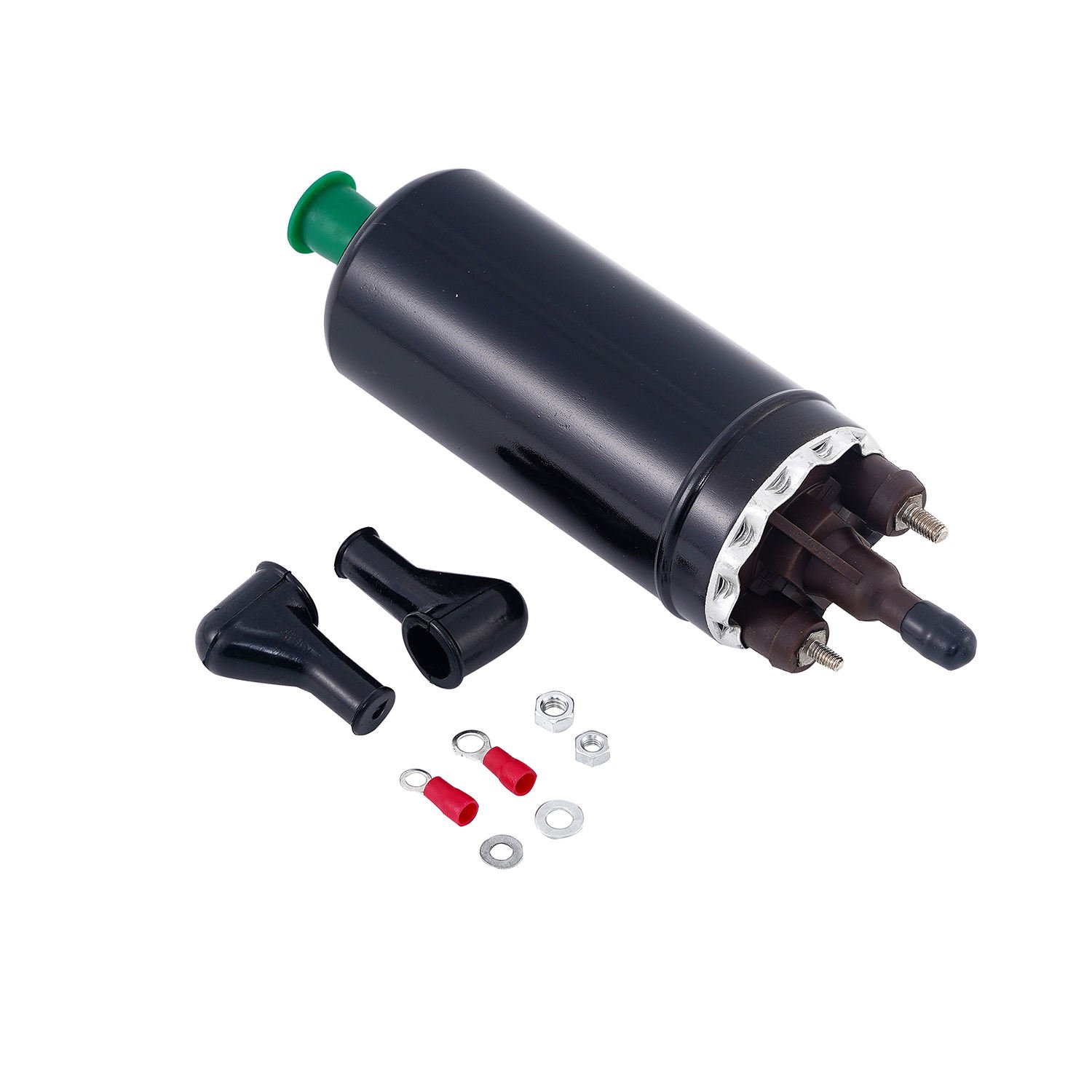
This technical guide provides comprehensive testing methodology for high pressure fuel pump diagnosis, enabling accurate system assessment and appropriate repair or replacement decisions.
High Pressure Fuel Pump Architecture
System Components
| Component | Function | Pressure Range |
|---|---|---|
| Low pressure lift pump | Fuel transfer from tank | 5-15 PSI |
| High pressure pump (HPFP) | Pressure generation | 1,000-30,000 PSI |
| Fuel rail | Pressure storage and distribution | System operating pressure |
| Pressure regulator | System pressure control | Manufacturer specification |
| Pressure transducers | System monitoring | Feedback to ECM |
| Injectors | Fuel delivery to cylinder | Controlled by ECM |
Pump Design Variations
Engine-driven mechanical HPFP: Cam lobe actuation drives pump plungers, generating pressure through positive displacement. Common in traditional fuel injection and early direct injection systems.
Electric high pressure pump: PWM-controlled electric motor drives pump mechanism, providing precise pressure control and faster response. Found in modern GDI and diesel common rail systems.
CP4/CVP style pumps: Roller vane or piston design creating high pressure for gasoline direct injection. Produces 2,000-3,000 PSI for GDI applications.
Diesel high pressure pumps: Radial piston or inline designs generating 30,000+ PSI for common rail injection. More complex with timing advance mechanisms.
Failure Symptoms and Diagnostic Indicators
Primary Failure Symptoms
| Symptom | Description | Diagnostic Priority |
|---|---|---|
| Hard starting | Extended cranking before start | High |
| No start | Engine fails to start | Critical |
| Rough idle | Irregular engine operation | High |
| Power loss | Reduced acceleration and performance | High |
| Stalling | Engine dies during operation | High |
| Fuel smell | Raw fuel odor from engine bay | Medium |
| Oil dilution | Engine oil level rising unexpectedly | Critical |
| Black smoke | Rich running condition | High |
Secondary Diagnostic Indicators
Oil contamination: High pressure pump shares lubrication with engine oil in some designs. Fuel dilution in engine oil indicates HPFP internal seal failure allowing fuel to enter crankcase.
Excessive fuel consumption: Pump internal leakage causes fuel to bypass through return system, requiring increased pump output to maintain pressure.
Noise abnormalities: Whining, clicking, or tapping sounds from pump area may indicate mechanical failure or insufficient pressure development.
Scanner Data Interpretation
Modern vehicles provide real-time HPFP performance data through OBD-II interface:
| Parameter | Normal Range | Low Reading | Diagnostic Implication |
|---|---|---|---|
| Fuel rail pressure | System spec | Below specification | Pump output insufficient |
| Requested vs actual pressure | Close match | Divergence | Pump unable to meet demand |
| Pump duty cycle | Variable | Maximum sustained | Pump working beyond capacity |
| Fuel pressure sensor voltage | 0.5-4.5V typical | Incorrect reading | Sensor or wiring fault |
Pressure Testing Methodology
Required Equipment
| Tool | Application | Specification Requirements |
|---|---|---|
| Fuel pressure gauge | Low pressure measurement | 0-100 PSI for conventional systems |
| HPFP test gauge | High pressure measurement | 0-5,000 PSI for GDI, 0-30,000 PSI for diesel |
| OBD-II scanner | Data monitoring | Manufacturer-specific codes |
| multimeter | Electrical testing | Voltage, resistance, frequency |
| noid light | Injector pulse verification | Visual indication |
| fuel pressure adapter kit | Gauge installation | Vehicle-specific fittings |
Low Pressure System Testing
Preparation:
- Verify fuel system integrity—inspect lines and connections for leaks
- Locate test port (schrader valve on fuel rail or inline test fitting)
- Install pressure gauge using appropriate adapter
- Ensure battery voltage above 12.4V for proper pump operation
Test procedure:
- Turn ignition to ON position (engine off) to activate fuel pump
- Observe initial pressure build-up (should reach spec within 5 seconds)
- Note pressure at key-off (should hold stable for several minutes)
- Start engine and observe idle pressure against specification
- Rev engine through range noting pressure response
- Monitor scanner data for rail pressure vs commanded pressure correlation
Low pressure specifications:
| System Type | Idle Pressure | Maximum Pressure |
|---|---|---|
| Port injection (sequential) | 30-45 PSI | 55-65 PSI |
| Throttle body injection | 10-15 PSI | 20-30 PSI |
| Early MPI direct injection | 500-900 PSI | 1,500-2,000 PSI |
| Modern GDI | 2,000-3,000 PSI | 3,000-4,000 PSI |
| Diesel common rail | 3,000-8,000 PSI | 30,000 PSI |
High Pressure System Testing
GDI high pressure pump testing:
- Locate HPFP outlet fitting (high pressure line to fuel rail)
- Install HPFP test gauge set with proper adapters
- Connect scanner and monitor fuel rail pressure PID
- Cycle key from off to on three times to prime system
- Start engine and observe pressure development
- Compare actual pressure against commanded pressure
- Check for pressure drop during steady-state operation
- Note duty cycle percentage—sustained high percentage indicates pump stress
Diesel HPFP testing:
- Verify low pressure system supplying adequate fuel to HPFP inlet
- Install high pressure test gauge (0-30,000 PSI capacity required)
- Connect scanner monitoring HP pump outlet pressure
- Start engine and observe pressure at idle
- Load engine (apply electrical load or brake抽 test) to increase demand
- Monitor pressure under load conditions
- Check for pressure spike or drop indicating regulator or pump issue
Electrical Diagnosis Procedures
Pump Motor Circuit Testing
Voltage verification:
- Locate HPFP electrical connector
- Disconnect connector and test voltage at harness side
- Ignition ON—verify battery voltage present (should show 12V+)
- Crank engine—verify voltage remains (indicates pump relay function)
- Engine running—verify voltage present and within specification
Ground circuit testing:
- Test ground connection for resistance using multimeter
- Resistance should be less than 1 ohm to chassis ground
- Check connector ground pin for corrosion or damage
- Verify ground strap connection to engine block
Signal Circuit Verification
PWM signal testing:
- Locate HPFP control wire (often pin 2 or designated signal circuit)
- Set multimeter to frequency or duty cycle mode
- Backprobe connector while engine running
- Verify signal frequency and duty cycle within specification
- Compare scanner commanded duty cycle vs measured signal
Control Module Diagnosis
| Condition | Potential Cause | Diagnostic Action |
|---|---|---|
| No signal present | Open circuit, module failure | Check harness, test module output |
| Signal present but pressure low | Pump mechanical failure | Mechanical HPFP test required |
| Signal fluctuates excessively | Sensor fault, wiring issue | Check pressure sensor circuit |
| Overactive duty cycle | Fuel leak, regulator fault | Check return line, regulator |
Mechanical Pump Testing Procedures
Engine-Driven HPFP Diagnosis
Mechanical efficiency test:
- Install fuel pressure gauge to test port
- Verify low pressure system operates normally
- Disable ignition to prevent engine start (pull fuses or disable)
- Crank engine using starter while monitoring pressure
- Compare cranking pressure against specification
- Pressure should reach minimum specification within 5 seconds of cranking
Leak-down test:
- With engine running at operating temperature
- Monitor fuel pressure at idle
- Turn engine off and observe pressure decay
- Normal pressure drop should be minimal (less than 10 PSI per minute)
- Rapid pressure loss indicates internal leak (valve, seal, or regulator)
Pump Output Volume Test
Flow measurement procedure:
- Locate HPFP outlet line (disconnect at fuel rail)
- Route outlet to graduated container
- Cycle fuel pump for specified duration (typically 30 seconds)
- Measure fuel output volume
- Compare against minimum specification
- Low output indicates pump wear or internal blockage
Fuel System Integration Testing
Injector Correlation Testing
Contribution test:
- Connect scanner monitoring fuel trim and injector duty cycle
- Disable individual cylinders (remove injector fuse or disconnect)
- Observe RPM drop for each cylinder
- Uneven contribution indicates fuel delivery imbalance
- Correlate low contribution cylinders with potential HPFP output issues
Return System Analysis
Return flow measurement:
- Install flow meter in return line (if equipped)
- Observe return flow at idle
- Compare against specification
- Excessive return flow may indicate pressure regulator failure
- Insufficient return may indicate restriction in supply or pump issue
Diagnostic Trouble Codes
| DTC | Description | Primary Diagnostic Focus |
|---|---|---|
| P0087 | Fuel rail pressure too low | HPFP output, supply pressure |
| P0088 | Fuel rail pressure too high | Regulator failure, sensor fault |
| P0089 | Fuel pressure regulator performance | Regulator mechanical issue |
| P0190 | Fuel rail pressure sensor circuit | Wiring, sensor, module |
| P0191 | Fuel rail pressure sensor range | Sensor, wiring, mechanical |
| P02E0 | High pressure fuel pump control circuit | Electrical circuit, pump motor |
Common Test Errors and Corrections
Diagnostic Mistakes
| Error | Consequence | Correction |
|---|---|---|
| Testing cold system | Pressure reading below normal | Warm engine to operating temperature |
| Using wrong gauge range | Inaccurate reading or gauge damage | Match gauge to system pressure range |
| Ignoring low pressure supply | Misdiagnosis of HPFP | Verify low side pressure first |
| Checking only at idle | Missing pressure under load | Test at multiple load conditions |
| Neglecting electrical basics | Overlooking simple faults | Verify power, ground, signal circuits |
| Replacing based on single reading | Unnecessary repair | Verify failure with multiple tests |
Verification Protocol
Confirmation testing sequence:
- Verify symptoms match HPFP failure pattern
- Check for related trouble codes
- Test low pressure system for baseline
- Measure high pressure system under load
- Verify electrical circuits are functional
- Compare readings against known-good vehicle if available
- Perform mechanical output test if pressure readings inconclusive
Professional Testing Standards
Specification Verification
| Measurement | Typical Specification | Tolerance |
|---|---|---|
| Low pressure idle | 30-45 PSI (MPI), 500+ PSI (GDI) | ±5 PSI |
| High pressure idle | 2,000-3,000 PSI (GDI) | ±200 PSI |
| High pressure under load | Up to system maximum | Within 10% of spec |
| Pressure decay rate | Less than 10 PSI/minute | Observed |
| Pump output (volume) | Manufacturer specification | Measured |
Documentation Requirements
Test documentation checklist:
- Vehicle information and mileage
- Symptoms reported by customer
- All DTCs present and history
- Fuel system pressure readings (low and high)
- Scanner data parameters observed
- Electrical circuit test results
- Component visual inspection findings
- Performed tests and outcomes
FAQ: Technical Clarifications
Q: What are the symptoms of a failing high pressure fuel pump?
A: Primary symptoms include hard starting or extended cranking before engine starts, rough idle or engine stalling, reduced power and acceleration, fuel smell from engine bay, rising oil level indicating fuel dilution, black smoke from exhaust indicating rich running, and fuel pressure codes stored in ECM. Symptoms often progress from intermittent to constant as pump wear increases.
Q: How do you test a high pressure fuel pump?
A: Testing requires installing fuel pressure gauge at test port, connecting scanner to monitor rail pressure, verifying both low and high pressure readings against specification, checking pressure under idle and load conditions, testing pump electrical circuits for power and ground, and performing mechanical output tests if pressure readings are inconclusive. Compare actual pressure against commanded pressure to verify pump response capability.
Q: Can you test HPFP with scanner only?
A: Scanner provides valuable information but represents only part of complete diagnosis. Scanner monitors pressure sensor output and commanded pressure, revealing whether pump meets ECM requests. However, scanner cannot detect mechanical wear, internal leaks, or verify actual pump output volume. Combined scanner data with physical pressure testing provides complete diagnosis.
Q: Why is my high pressure fuel pump not building pressure?
A: Multiple causes prevent pressure build-up: insufficient low pressure supply from lift pump, electrical fault preventing pump operation (power, ground, or signal), mechanical pump failure preventing pressure generation, pressure regulator stuck open allowing fuel to bypass, fuel rail leak allowing pressure to escape, or sensor malfunction providing incorrect pressure feedback to ECM.
Q: How do you check HPFP electrical circuit?
A: Disconnect pump connector and test: battery voltage at power circuit with ignition ON, ground circuit resistance less than 1 ohm, signal circuit PWM output between 0-12V square wave with frequency and duty cycle within specification. Verify all connections for corrosion or damage. Check related fuses and relays in pump circuit.
Q: Is fuel dilution in oil always HPFP failure?
A: Fuel dilution in engine oil indicates HPFP failure in most cases, but other sources exist: fuel injectors leaking internally allowing fuel to enter cylinders, head gasket failure allowing fuel to enter cooling system, or contaminated fuel such as excessive alcohol content causing fuel to remain in oil. HPFP seal failure is most common cause in vehicles with HPFP-related oil dilution complaints.