How to Check Transmission Fluid: Complete Technical Protocol
Technical Overview: Transmission Fluid System Fundamentals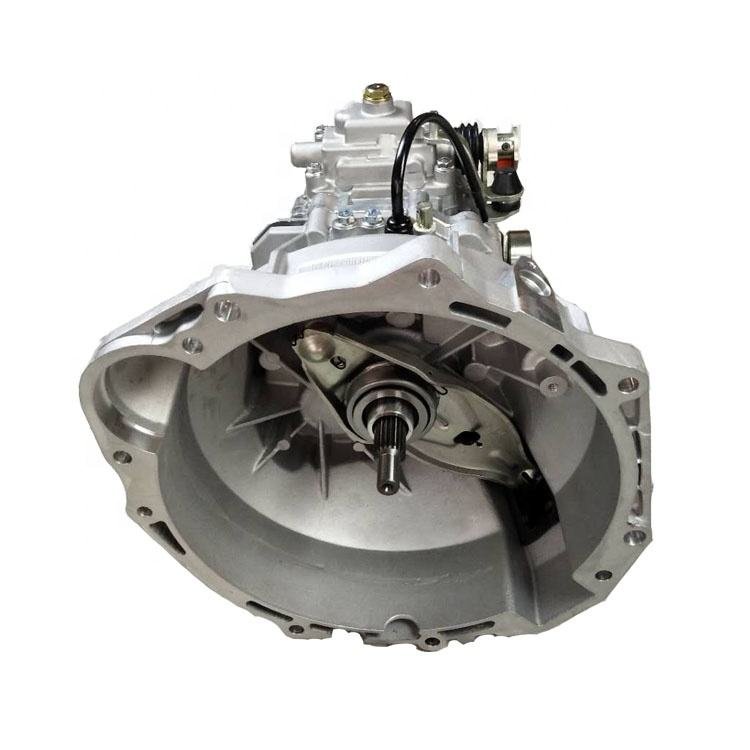
Transmission fluid serves multiple critical functions within the drivetrain: hydraulic pressure generation, friction material lubrication, thermal management, and component protection. Proper fluid level and condition directly impacts transmission longevity, shift quality, and overall drivetrain reliability.
This technical analysis provides comprehensive methodology for transmission fluid inspection across vehicle applications, addressing both automatic and manual transmission systems with definitive procedural guidance.
Automatic Transmission Fluid Inspection
Understanding Dipstick Architecture
Automatic transmissions utilize integrated dipstick systems for fluid level verification. Modern dipstick designs incorporate thermal markings indicating appropriate fluid levels across operating temperature ranges:
| Dipstick Marking | Temperature Specification | Reading Context |
|---|---|---|
| COLD | 60-80°F ambient | Pre-operation check only |
| HOT | 150-185°F operating temperature | Primary reference specification |
| ADD | Below minimum safe level | Immediate fluid addition required |
| FULL | Optimal operating level | Target specification |
Pre-Inspection Protocol
Before checking automatic transmission fluid, certain conditions must be established:
Engine operating state. Automatic transmission fluid level verification requires specific engine operating conditions. Some manufacturers specify checking with engine running and transmission in Park; others require engine-off procedure. Always consult vehicle-specific documentation.
Temperature stabilization. Fluid temperature affects viscosity and expansion characteristics. Cold fluid readings are unreliable indicators of operating level. Allow engine idle for 2-3 minutes after warm-up before checking level on warm specification dipsticks.
Vehicle positioning. Place vehicle on level surface. Inclined surfaces cause fluid to pool at one end of the transmission pan, creating false level readings. Front-to-rear levelness is critical.
Inspection Procedure: Engine Running Method
Most automatic transmissions utilize engine-running inspection methodology:
- Start engine and allow idle operation
- Operrate transmission through gear ranges briefly (P-R-N-D-S)
- Return to Park position
- Leave engine running at idle
- Locate dipstick (typically forward of engine on driver side)
- Remove dipstick and wipe completely clean
- Reinsert dipstick fully into tube
- Remove dipstick and observe fluid level against markings
- Check fluid condition (detailed below)
- Reinsert dipstick securely
Level interpretation: Fluid should register between ADD and FULL marks, typically centered in the cross-hatched HOT range. Readings below ADD require immediate fluid addition. Readings significantly above FULL indicate overfilling, which causes aeration and pressure issues.
Inspection Procedure: Engine-Off Method
Certain transmissions—primarily Ford and some Asian manufacturers—specify engine-off inspection:
- Warm engine to operating temperature
- Shift through all ranges
- Return to Park
- Turn engine off
- Wait 60-90 seconds for fluid settlement
- Remove dipstick and check level
- Compare against COLD or cross-hatched range
Fluid Condition Assessment
Beyond level verification, fluid condition provides critical diagnostic information:
| Condition Indicator | Appearance | Implication |
|---|---|---|
| Clear red | Normal operating appearance | Adequate fluid condition |
| Dark red-brown | Normal aged appearance | Fluid service recommended |
| Black or charred | Severe degradation | Immediate service required |
| Foamy or aerated | Air contamination | Overfill or internal issue |
| Milky or emulsified | Water intrusion | Cooler or seal failure |
| Burnt odor | Overheating | Immediate service required |
Manual Transmission Fluid Inspection
Service Plug Methodology
Manual transmissions typically lack dipstick systems, utilizing fill plug inspection instead:
- Locate transmission fill plug (typically on side of transmission housing)
- Warm transmission by driving vehicle briefly (5-10 minutes)
- Position vehicle on level surface
- Place collection container beneath transmission
- Remove fill plug with appropriate socket
- Insert finger or stiff wire into opening
- Fluid level should contact bottom of opening threads
- If fluid drains freely, level is above minimum
- Reinstall plug with appropriate torque (typically 20-35 ft-lb)
Low fluid indication: If no fluid emerges when plug is removed, add fluid through fill opening until level reaches bottom of plug hole. Use appropriate fluid specification for vehicle application.
Thread-Style Level Plugs
Some manual transmissions utilize threaded probe-style level indicators:
- Warm transmission to operating temperature
- Clean area around level plug thoroughly
- Remove plug with appropriate tool
- Observe fluid level at plug opening
- Reinstall plug with sealant compound if required
Fluid Specifications by Application
Automatic Transmission Fluid Types
| Fluid Specification | Application | Key Characteristics |
|---|---|---|
| ATF+4 | Chrysler/Dodge | Synthetic, multi-vehicle approved |
| Mercon V / Mercon LV | Ford | Standard and low-viscosity variants |
| Toyota Type IV | Toyota/Lexus | Original equipment specification |
| Honda DW-1 | Honda/Acura | Specific formulation requirement |
| Multi-vehicle ATF | Universal applications | Always verify manufacturer approval |
| CVT fluid | CVT transmissions | Specific belt/chain lubricant |
| DCT fluid | Dual-clutch transmissions | Separate specification |
Manual Transmission Fluid Types
| Fluid Specification | Application | Service Interval |
|---|---|---|
| MTF-3 / MTF-4 | Toyota manual transmissions | Factory fill, long-life |
| Manual transmission fluid | GM/Ford domestic | 30,000-60,000 miles |
| Motor oil 5W-30 | Some import applications | Verify compatibility |
| GL-4 gear oil | Syncromesh applications | Standard manual transmission |
| GL-5 gear oil | Hypoid gear applications | Differential, not transmissions |
Common Inspection Errors
Automatic Transmission Mistakes
| Error | Consequence | Prevention |
|---|---|---|
| Checking cold when HOT specified | False low reading | Verify dipstick markings |
| Inconsistent engine temperature | Variable readings | Establish consistent warm-up |
| Inclined vehicle surface | False level indication | Use level parking surface |
| Contaminated dipstick reading | Inaccurate level | Clean dipstick thoroughly |
| Overlooking fluid condition | Missed degradation | Inspect color and smell |
Manual Transmission Mistakes
| Error | Consequence | Prevention |
|---|---|---|
| Checking cold transmission | Poor drain indication | Warm before checking |
| Wrong fluid specification | Syncro damage | Match manufacturer spec |
| Overtightening fill plug | Stripped threads | Use torque specification |
| Ignoring fluid color | Missed contamination | Note any discoloration |
Fluid Level Troubleshooting
Overfilling Issues
Excessive transmission fluid causes operational problems:
- Foaming and aeration during operation
- Erratic shift quality and timing
- Fluid expulsion through vent or seals
- Converter engagement issues
Correction procedure: Drain excess fluid through cooler lines or remove appropriate amount with suction tool. Never drain through drain plug if no drain provision exists—may require professional service.
Underfilling Conditions
Insufficient fluid creates severe operating conditions:
- Inadequate hydraulic pressure
- Slipping during engagement
- Overheating from insufficient lubrication
- Premature component failure
Correction procedure: Add fluid through dipstick tube using funnel. Add small quantities and recheck level between additions to avoid overfill.
Service Interval Guidelines
Automatic Transmission Intervals
| Application | Inspection Frequency | Fluid Service Interval |
|---|---|---|
| Normal service | Every oil change | 60,000-100,000 miles |
| Severe service (towing, heat) | Every 30,000 miles | 30,000-50,000 miles |
| Fleet/commercial use | Every 15,000 miles | 30,000 miles |
| Lifeguard fluid systems | Per manufacturer | Extended intervals available |
Manual Transmission Intervals
| Application | Inspection Frequency | Fluid Service Interval |
|---|---|---|
| Standard use | 30,000 miles | 60,000-100,000 miles |
| Severe use | 15,000 miles | 30,000-60,000 miles |
| Performance/towing | 15,000 miles | 30,000-50,000 miles |
Technical Specifications Reference
Dipstick Tube Positioning
Dipstick tube positioning affects accurate level reading:
| Condition | Effect | Correction |
|---|---|---|
| Tube misaligned | Erratic level indication | Realign tube at case connection |
| Damaged O-ring | Fluid seepage | Replace O-ring seal |
| Clogged vent | Pressure buildup | Clear vent passage |
| Wrong tube length | Incorrect depth reading | Install correct replacement |
Fluid Capacity Ranges
| Transmission Type | Typical Capacity | Measurement Unit |
|---|---|---|
| 4-speed automatic | 8-12 quarts | Total system |
| 5-6 speed automatic | 10-14 quarts | Total system |
| 7+ speed automatic | 10-16 quarts | Total system |
| 5-speed manual | 2-3 quarts | Fill to plug level |
| 6-speed manual | 2.5-4 quarts | Fill to plug level |
FAQ: Technical Clarifications
Q: How do I check transmission fluid on a car with the engine running versus off?
A: Engine-running checks are standard for most automatic transmissions. With engine running at idle and transmission in Park, remove the dipstick, wipe clean, reinsert fully, then remove to read level against HOT markings. Engine-off checks apply to specific Ford and Asian transmissions—verify your vehicle’s specification. Manual transmissions require engine-off checking via fill plug removal.
Q: What color should transmission fluid be when it’s in good condition?
A: Healthy automatic transmission fluid appears clear and bright red or pinkish-red. As fluid ages, it darkens to dark red or brown—normal at higher mileages. Fluid that is black, burnt-smelling, or has a dark brown/black color indicates severe degradation requiring immediate service. Milky or foamy fluid suggests contamination requiring investigation.
Q: Can I check transmission fluid when the engine is cold?
A: Cold checking provides only rough indication and is not recommended for accurate level determination. Most dipsticks include COLD and HOT markings—only use COLD marking for pre-operation checks. Always allow engine warm-up and recheck against HOT specification for accurate assessment. Some vehicles specifically require engine-off checking; follow manufacturer specifications.
Q: How often should I check my transmission fluid level?
A: Monthly visual inspection during regular maintenance is recommended. Full level verification should occur during every major service interval or when symptoms appear. Vehicles used for towing, severe-duty applications, or in extreme climates benefit from more frequent inspection—every oil change interval or 3,000-5,000 miles.
Q: What happens if my transmission fluid is low?
A: Low fluid causes inadequate hydraulic pressure, resulting in slipping, delayed engagement, erratic shifting, and potential converter damage. Extended low-fluid operation causes internal wear and eventual transmission failure. Address low fluid immediately by adding specification-appropriate fluid and investigating leak sources.
Q: Should transmission fluid be checked before or after driving?
A: For most automatic transmissions, check after brief warm-up (2-3 minutes idle) with engine running. This allows fluid temperature stabilization while avoiding full operating temperature. Drive for 5-10 minutes for manual transmission fill plug checks. Checking immediately after driving (hot) works for some vehicles—verify your specific application.