
Will water pump leak when engine is off?
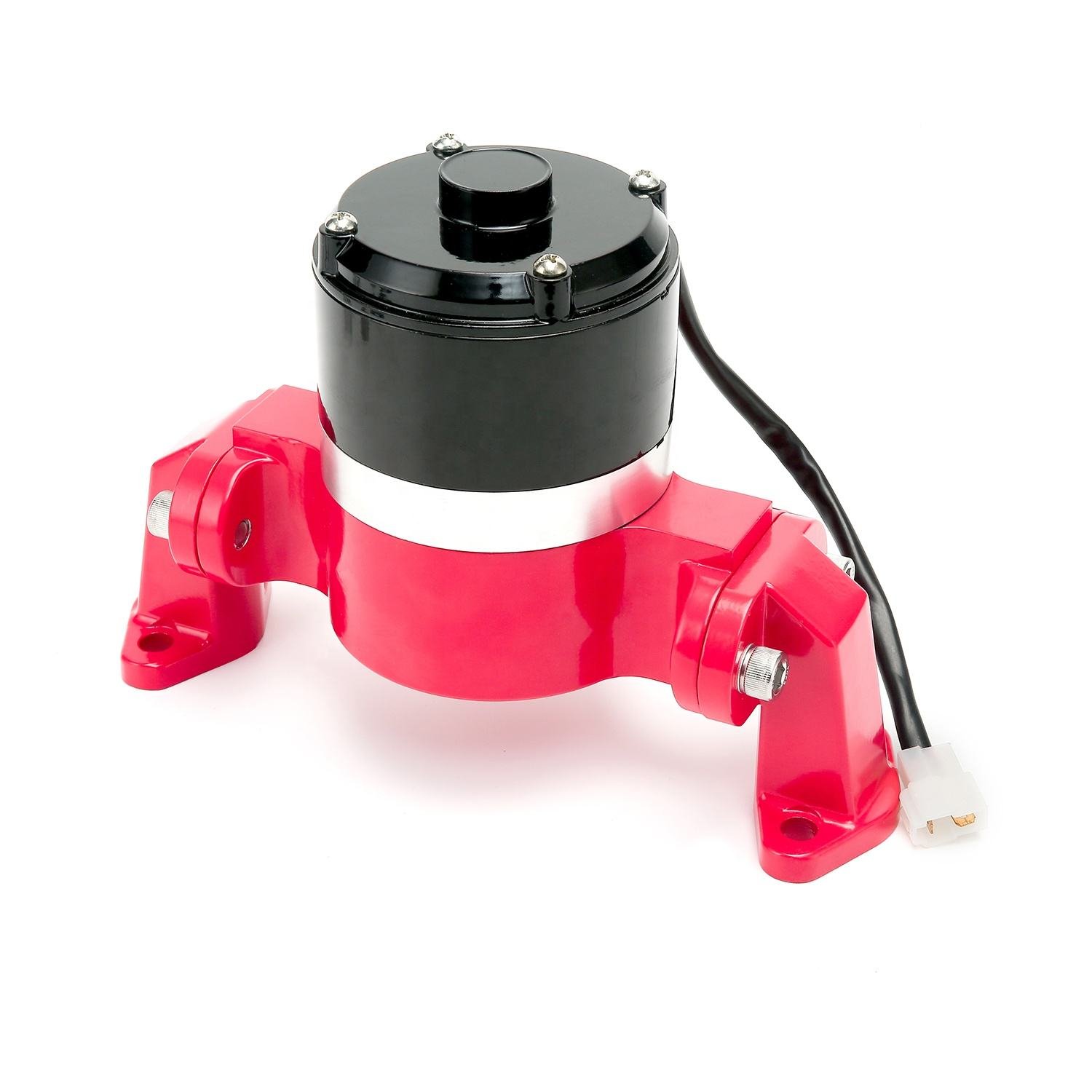
Water pump seal leakage occurring exclusively during engine-off conditions represents a distinct failure mode that requires understanding of centrifugal fluid dynamics and thermal expansion mechanics. This analysis provides a comprehensive examination of the underlying principles.
Thermodynamic Principles of Water Pump Seal Operation
During engine operation, the cooling system maintains pressurized equilibrium. Standard automotive cooling systems operate at 12-18 PSI when fully warmed, with operating temperatures typically reaching 195-220°F. This pressure regime significantly influences seal performance characteristics.
The water pump shaft seal—a mechanical face seal typically comprising a rotating graphite or ceramic element against a stationary silicon carbide seat—operates under specific load conditions. During rotation, two critical mechanisms prevent coolant migration:
Centrifugal force displacement. The spinning impeller generates substantial centrifugal force that actively pushes coolant toward the outer housing, away from the central shaft seal area. This dynamic pressure gradient creates a dry zone at the seal interface during operation.
Pressurized containment. System pressure assists in maintaining seal face contact. The mechanical seal spring preload works in conjunction with system pressure to ensure consistent face loading.
Failure Mechanism: Post-Shutdown Leakage
When the engine transitions from operation to shutdown, three interrelated processes occur:
Pressure collapse. The mechanical water pump ceases rotation, eliminating impeller-generated pressure. System pressure dissipates as coolant thermal contraction occurs during cooling.
Centrifugal force elimination. The cessation of impeller rotation removes the outward displacement force. Coolant within the pump housing settles according to gravitational vectors.
Thermal contraction. As the engine cools toward ambient temperature, both metallic components and coolant contract. This dimensional change can create clearance at the seal interface that was previously maintained by thermal expansion and pressure loading.
A seal with marginal wear may hold under pressure and dynamic conditions but exhibit weeping when these forces are removed. The seal spring preload becomes the primary sealing mechanism, and if material degradation has reduced this preload over time, leakage will occur during stationary periods.
Diagnostic Methodology
Visual Inspection Protocol
Examination of the water pump housing requires systematic observation:
Weep hole discharge. Most OEM water pumps incorporate a drain hole positioned below the seal plane. Coolant discharge from this aperture indicates seal failure. This is pathognomonic for water pump replacement.
Perimeter weeping. Coolant tracking around the pump mounting flange suggests gasket failure rather than seal failure. These represent distinct failure modes requiring different remediation approaches.
Bearing noise correlation. Mechanical bearing degradation often accompanies seal failure. Bearing noise during operation—particularly a rumbling or growling sound—provides corroborating evidence of water pump deterioration.
Pressure Testing Protocol
Systematic pressure testing with a calibrated cooling system tester (15 PSI maximum test pressure) enables leak localization:
- Cool the engine to ambient temperature
- Install pressure tester
- Apply test pressure
- Monitor pressure decay
- Inspect for bubble formation at seal area
Pressure decay indicates leakage somewhere in the system. If pressure holds but visual inspection reveals coolant when the engine is off, seal failure during stationary periods is confirmed.
Differential Diagnosis
| Failure Mode | Operational Symptoms | Stationary Symptoms | Primary Indicator |
|---|---|---|---|
| Shaft seal wear | Minimal or none | Weeping when cold | Weep hole discharge |
| Gasket deterioration | Coolant loss during operation | Continuous weeping | Perimeter wetness |
| Housing crack | Coolant loss, overheating | Intermittent weeping | Visible casting defect |
| Thermostat housing seal | Coolant loss, localized wetness | Wet area at thermostat | Location-specific |
Engineering Assessment: Operational Risk Analysis
Immediate Risk Evaluation
Water pump shaft seal leakage that occurs only during engine-off periods presents moderate operational risk when the seal remains functional during operation. Critical considerations include:
Coolant volume loss. Monitor daily coolant levels. A leak rate exceeding one quart per week indicates progression requiring immediate attention.
Coolant system contamination. Continued operation with low coolant levels leads to air ingestion, which promotes corrosion and accelerates wear throughout the cooling system.
Temperature threshold monitoring. A properly functioning thermostat should maintain 195-220°F operating temperature. Elevated readings indicate insufficient coolant circulation.
Prognostic Timeline
Based on empirical data from automotive cooling system failure analysis:
- Initial weeping stages may persist for 2-6 weeks before seal degradation accelerates
- Complete seal failure typically follows progressive degradation
- Total system failure often results in complete coolant loss within 15-30 minutes of operation
Professional recommendation: Schedule water pump replacement within 2-4 weeks of confirmed diagnosis.
Technical Specification: Repair Procedures
Water Pump Replacement Protocol
Professional replacement requires adherence to manufacturer torque specifications and installation procedures:
Surface preparation. The block mounting surface must be cleaned to bare metal, with all old gasket material removed. Surface roughness must not exceed 125 Ra.
Gasket selection. Use manufacturer-specified gasket material. RTV silicone sealants may be appropriate for certain applications—consult service documentation.
Torque sequence. Follow the specified cross-pattern torque sequence in multiple stages. Recommended torque values typically range 15-25 ft-lb for water pump mounting bolts, with final torque applied in three stages (25%, 75%, 100%).
Bolt inspection. Replace all mounting bolts. Reused bolts may exhibit thread galling or preload loss.
Recommended Replacements
Professional service protocol recommends simultaneous replacement of the following components:
- Water pump assembly (complete unit)
- Thermostat and housing gasket
- All cooling system hoses showing age deterioration
- Coolant (with proper concentration per manufacturer specification)
FAQ: Technical Clarifications
Q: Why does the pump not leak during operation if the seal is failing?
A: During operation, centrifugal force generated by the spinning impeller creates a pressure gradient that displaces coolant away from the central seal area. The seal remains functional due to dynamic pressure loading and maintained preload. Upon shutdown, these forces are eliminated, and the marginal seal cannot maintain containment against gravitational settling of coolant.
Q: Can seal replacement extend pump service life?
A: Field service replacement of mechanical seals is not recommended. Press-fit installation tolerances, seal spring preload specifications, and quality control requirements of OEM seals make field replacement unreliable. Complete water pump assembly replacement is the only professionally acceptable repair.
Q: What diagnostic tools confirm water pump seal failure?
A: Primary diagnostic tools include visual inspection of weep hole discharge, cooling system pressure testing, and infrared temperature measurement at inlet and outlet hoses. Secondary indicators include coolant level monitoring, oil contamination inspection, and bearing noise auscultation.
Q: Is continued operation with a weeping pump acceptable?
A: Continued operation is permissible with careful monitoring for a limited duration (2-4 weeks maximum). However, monitoring requirements include daily coolant level inspection, temperature gauge observation, and planning for emergency roadside assistance if complete failure occurs. This is a temporary measure pending professional repair, not a permanent solution.
Q: What cooling system pressure is required for proper pump operation?
A: Automotive cooling systems operate at 12-18 PSI pressure, which elevates the boiling point of coolant and maintains pump priming. Pressure testing should not exceed 20 PSI to avoid damaging system components.
Q: Are aftermarket water pumps acceptable for professional repair?
A: Quality aftermarket water pumps from established manufacturers (Gates, SKF, Federal-Mogul, etc.) meet or exceed OEM specifications for most applications. Value-priced aftermarket components may exhibit shorter service life. Use manufacturer-recommended components where available.
Where to Buy a Where to Buy a Engine Water Pump?
If you’re looking for a reliable supplier, it’s important to choose a manufacturer that offers:
- Stable product quality
- Consistent supply
- Wholesale support
- OEM branding options
For bulk orders or reseller inquiries, you can check this product page:
If you’re looking for a reliable supplier, it’s important to choose a manufacturer that offers:
- Stable product quality
- Consistent supply
- Wholesale support
- OEM branding options
For bulk orders or reseller inquiries, you can check this product page: