
What is a Hex Jam Nut
A hex jam nut is a thin-profile hex-shaped nut designed to be used in conjunction with a standard nut or against a shoulder surface to lock threaded fasteners in position. The term “hex” refers to its six-sided shape, which allows installation and removal using standard wrenches, while “jam” describes its function of being jammed or locked against another component to prevent loosening.
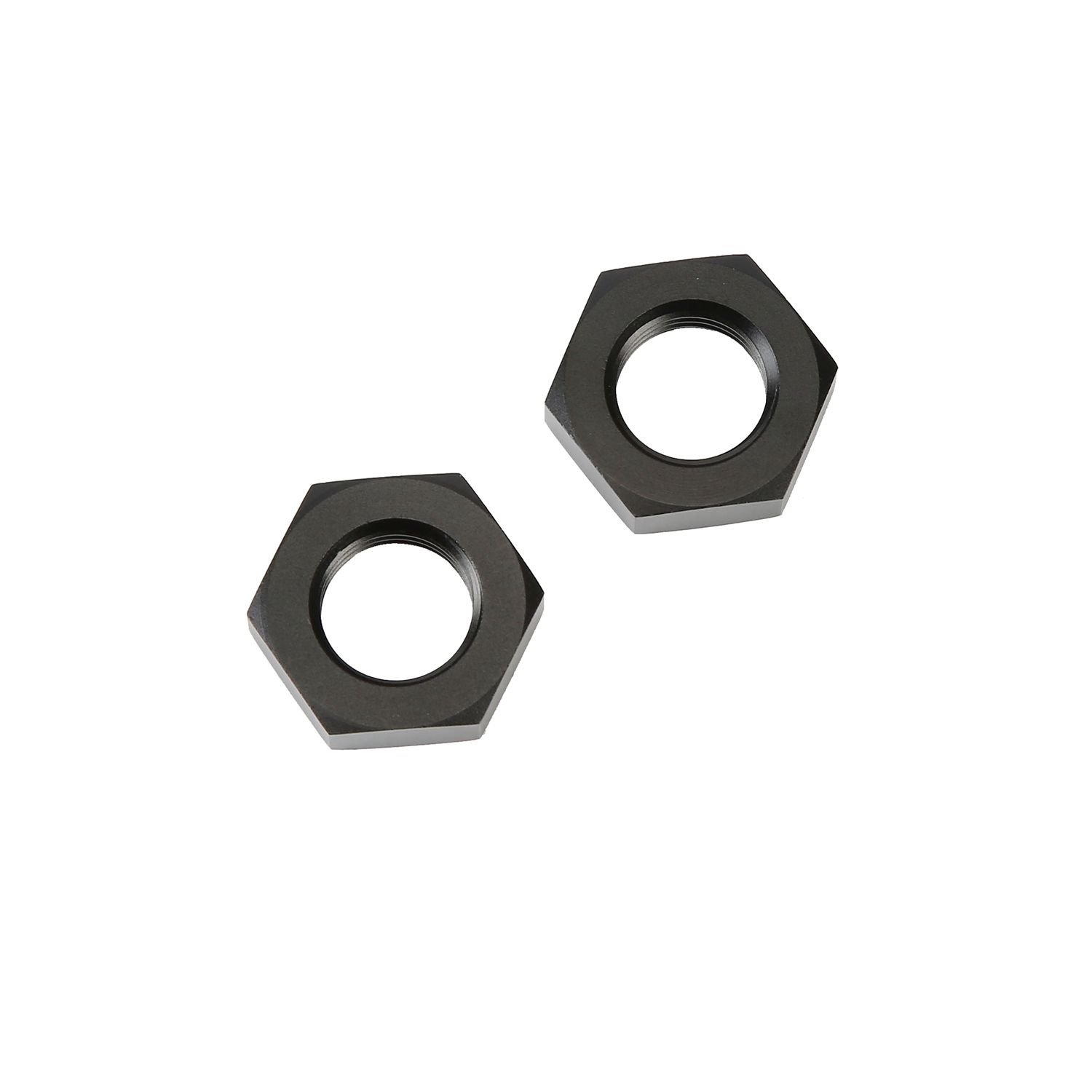
The hex jam nut serves dual purposes in mechanical assemblies. First, it functions as a locking mechanism that prevents vibration-induced loosening of the primary fastener. Second, it provides a low-profile fastening solution where standard nuts cannot fit due to space constraints. These nuts are half the thickness of standard hex nuts while maintaining identical width across flats, making them compatible with standard tooling.
Hex Jam Nut Design and Dimensions
Dimensional Specifications
| Specification | Standard Hex Nut | Hex Jam Nut | Notes |
|---|---|---|---|
| Width across flats | Full size | Full size | Wrench compatible |
| Height | Full thickness | Approximately 50% | Primary difference |
| Thread pitch | Standard | Standard | Matches fastener |
| Corner radius | Standard | Standard | Same hex geometry |
The hex jam nut maintains the same hex geometry as standard nuts, ensuring compatibility with standard wrench sizes, sockets, and installation equipment. The reduced height provides the space-saving advantage without compromising the fundamental fastening capability.
ASME B18.2.2 Standards
The hex jam nut conforms to ASME B18.2.2 specifications for dimensions and tolerances. These standards ensure consistent performance and interchangeability across manufacturers.
| Nominal Size | Width Across Flats | Jam Nut Height | Thread Series |
|---|---|---|---|
| 1/4 inch | 7/16 inch | 0.140 inch | UNC/UNF |
| 5/16 inch | 1/2 inch | 0.171 inch | UNC/UNF |
| 3/8 inch | 9/16 inch | 0.203 inch | UNC/UNF |
| 1/2 inch | 3/4 inch | 0.265 inch | UNC/UNF |
| 5/8 inch | 15/16 inch | 0.328 inch | UNC/UNF |
Material Specifications
| Material | Grade | Tensile Strength | Corrosion Resistance |
|---|---|---|---|
| Carbon steel | Grade 2/5/8 | Varies by grade | Good (plated) |
| Stainless steel | 18-8, 316 | Lower than steel | Excellent |
| Brass | Commercial | Lower strength | Good |
| Silicon bronze | Commercial | Moderate | Excellent |
Material selection depends on the application requirements including strength needs, environmental conditions, and cost considerations. Carbon steel jam nuts are zinc-plated for corrosion resistance, while stainless steel versions provide superior resistance for demanding environments.
How Hex Jam Nuts Function
Locking Mechanism Explained
The hex jam nut operates on the principle of mechanical interference rather than friction-based locking. When properly installed, the jam nut creates opposing forces that counteract vibration-induced loosening tendencies.
Primary locking principles:
- Thread engagement: The jam nut adds additional thread surface area to the fastener assembly, increasing resistance to rotation
- Opposing preload: When seated against a primary nut or shoulder, the jam nut creates opposing clamping forces
- Friction interference: The seated contact between nuts or against a surface prevents independent rotation
- Axial positioning: The jam nut fixes the primary nut’s axial position, eliminating the movement required for loosening
Installation Theory
The effectiveness of a hex jam nut installation depends on understanding how the locking mechanism functions. The jam nut does not require extreme torque—its effectiveness comes from being firmly seated against the primary nut or component surface.
Key installation concepts:
- Seating force: The jam nut should be tightened until firmly seated, not to maximum torque values
- Primary nut position: The primary nut establishes the joint preload; the jam nut only locks this position
- Verification: After installation, neither the jam nut nor the primary nut should rotate independently
Hex Jam Nut vs Standard Hex Nut: Key Differences
Structural Comparison
| Feature | Standard Hex Nut | Hex Jam Nut |
|---|---|---|
| Primary purpose | Create clamping load | Lock position |
| Height | Full profile | Reduced (approximately 50%) |
| Structural load capacity | Full design load | Reduced (not primary load-bearing) |
| Reusability | Unlimited | Unlimited |
| Wrench requirement | Standard size | Same as standard |
Application Differences
| Application Type | Standard Hex Nut | Hex Jam Nut |
|---|---|---|
| Primary fastening | Yes | No |
| Position locking | Limited | Primary function |
| Space-constrained areas | May not fit | Designed for these |
| Vibration environments | Requires additional locking | Self-contained solution |
| Adjustable assemblies | Limited | Ideal choice |
When to Use Each
Use standard hex nuts when:
- Creating the primary clamping load in an assembly
- Full nut height is available
- The application does not require locking features
- Maximum joint strength is the priority
Use hex jam nuts when:
- Locking a nut’s position is the primary requirement
- Space constraints prevent standard nut installation
- The assembly will be frequently adjusted
- Vibration resistance is needed without specialized hardware
Common Applications for Hex Jam Nuts
Automotive Applications
| Application | Purpose | Advantage |
|---|---|---|
| Wheel bearing adjustment | Maintain preload setting | Precise adjustment capability |
| Suspension components | Lock ride height adjustments | Easy position modification |
| Steering linkage | Prevent loosening | Reliable vibration resistance |
| Intake manifold | Secure adjustable hardware | Space-saving design |
Industrial Equipment
| Application | Purpose | Advantage |
|---|---|---|
| Shaft collars | Position locking | Low profile for rotating shafts |
| Bearing preload | Secure adjustments | Maintains exact preload |
| Motor mounts | Vibration resistance | Reusable locking |
| Conveyor adjustments | Maintain belt tension | Easy adjustment capability |
Plumbing and HVAC
| Application | Purpose | Advantage |
|---|---|---|
| Pipe fitting adjustments | Maintain seal compression | Fine adjustment control |
| Valve packing glands | Secure adjustments | Reusable adjustment |
| Pump impeller clearance | Set and lock clearances | Precise positioning |
Precision Machinery
| Application | Purpose | Advantage |
|---|---|---|
| Optical equipment | Vibration isolation | Stable positioning |
| Measurement instruments | Reference point security | Adjustable stability |
| Audio equipment | Vibration damping | Secure mounting |
Installation Procedures
Standard Dual-Nut Installation
The most common hex jam nut installation method uses two nuts to create a locked assembly.
Installation steps:
- Thread the primary (standard) nut onto the fastener to the desired position
- Apply appropriate thread lubricant if required for the application
- Thread the hex jam nut onto the fastener with its flat side facing the primary nut
- Position the primary nut using a wrench to prevent rotation
- Using a second wrench, tighten the hex jam nut against the primary nut
- Continue tightening until the jam nut is firmly seated
- Verify neither nut rotates independently when tested
Shoulder-Seated Installation
When a shoulder or machined surface is available, the jam nut can be seated directly against the surface.
Installation steps:
- Thread the primary nut to the desired final position
- Thread the hex jam nut until it contacts the shoulder or component surface
- Hold the primary nut stationary with a wrench
- Tighten the jam nut against the shoulder until firmly seated
- Verify the primary nut does not rotate when the jam nut is tested
Torque Considerations
| Nut Size | Typical Torque Range | Notes |
|---|---|---|
| 1/4-20 | 10-14 ft-lb | Base torque for Grade 5 |
| 5/16-18 | 20-29 ft-lb | Consider application |
| 3/8-16 | 35-45 ft-lb | Verify joint preload |
| 1/2-13 | 60-75 ft-lb | Maintain consistency |
| 5/8-11 | 110-130 ft-lb | Higher load applications |
The hex jam nut does not require torque to the same values as the primary nut. The goal is firm seating against the primary nut or shoulder, not maximum clamping force.
Advantages and Disadvantages
Hex Jam Nut Advantages
| Advantage | Description |
|---|---|
| Excellent vibration resistance | Opposing force principle effectively prevents loosening |
| Space-saving design | Half-height profile fits confined areas |
| Unlimited reusability | No degradation with repeated installation |
| Adjustable | Position can be modified without special tools |
| Standard tool compatibility | Uses same wrenches as standard nuts |
| Cost-effective | Low cost per locking point |
| Reliable operation | Mechanical principle, not dependent on features |
Hex Jam Nut Disadvantages
| Disadvantage | Description |
|---|---|
| Two-wrench installation | Requires access for both nuts |
| Increased assembly height | Two nuts stacked requires more axial space |
| Not primary load-bearing | Should not be used as primary fastener |
| Potential for incorrect installation | Seating verification required |
| Initial settling | May require retightening after initial use |
Selecting the Right Hex Jam Nut
Size Selection Criteria
| Criterion | Consideration |
|---|---|
| Thread size | Must match fastener exactly |
| Width across flats | Must fit available wrench clearance |
| Material | Based on environment and strength needs |
| Finish | Corrosion resistance requirements |
| Grade | Strength requirements of application |
Material Selection Guide
| Environment | Recommended Material | Reason |
|---|---|---|
| Indoor, controlled | Carbon steel, zinc-plated | Cost-effective, adequate protection |
| Outdoor, general | Stainless steel 18-8 | Good corrosion resistance |
| Marine, coastal | Stainless steel 316 | Superior salt water resistance |
| High temperature | Silicon bronze | Maintains strength at temperature |
| Electrical applications | Brass | Non-sparking, conductive |
Maintenance and Inspection
Inspection Points
- Thread condition: Check for damage, corrosion, or contamination
- Seating verification: Confirm jam nut is firmly seated
- Rotation test: Verify neither nut rotates independently
- Surface condition: Inspect for cracks, deformation, or wear
Common Issues and Solutions
| Issue | Cause | Solution |
|---|---|---|
| Nut rotation after seating | Insufficient seating force | Retighten with adequate force |
| Cross-threading | Incorrect alignment | Remove and reinstall properly |
| Corrosion | Wrong material for environment | Replace with appropriate material |
| Stripped threads | Over-tightening | Replace damaged components |
FAQ: Technical Clarifications
Q: What is a hex jam nut used for?
A: A hex jam nut is used to lock a primary nut in position on a threaded fastener, secure adjustable positions on shafts and rods, provide vibration-resistant fastening in confined spaces, and maintain precise adjustments in machinery. The hex jam nut is tightened against the primary nut or a shoulder surface to prevent independent rotation and maintain assembly position.
Q: What is the difference between a hex jam nut and a regular hex nut?
A: A hex jam nut is approximately half the height of a standard hex nut while maintaining the same width across flats and thread specifications. The standard hex nut creates the primary clamping load in an assembly, while the hex jam nut functions primarily as a locking device to maintain position. The jam nut’s thin profile allows installation in space-constrained areas where standard nuts cannot fit.
Q: How do you install a hex jam nut correctly?
A: Thread the primary nut onto the fastener to the desired position first. Then thread the hex jam nut with its flat side facing the primary nut. Hold the primary nut stationary with one wrench while tightening the jam nut against it with a second wrench. The jam nut should be firmly seated but not over-tightened—the goal is interference, not maximum clamping force. Verify both nuts remain stationary when tested.
Q: Can hex jam nuts be reused?
A: Yes, hex jam nuts can be reused indefinitely without degradation of their locking capability. Unlike nylon insert lock nuts that lose effectiveness with reuse, the mechanical interference principle of hex jam nuts does not degrade over multiple installation cycles. This makes them ideal for applications requiring frequent adjustment or assembly/disassembly.
Q: How much torque does a hex jam nut require?
A: Hex jam nuts do not require high torque values—they should be tightened until firmly seated against the primary nut or shoulder surface. The locking effect comes from interference, not from clamping force. Apply enough torque to ensure the jam nut cannot be easily turned by hand, but avoid over-tightening which could damage threads or deform components.
Q: When should you use a hex jam nut instead of a lock nut?
A: Use hex jam nuts when the assembly will be frequently adjusted or disassembled, when maximum reusability is required, when space allows for dual-nut installation, and when vibration resistance is critical. Lock nuts may be preferable when space is severely restricted, single-wrench installation is preferred, or when the application would benefit from nylon or prevailing-torque locking features.