
When Steering Wheel Shakes While Driving
Steering wheel shake while driving represents one of the most concerning vehicle symptoms that drivers experience. Unlike simple noise complaints or minor annoyances, steering wheel vibration directly affects vehicle control and driver confidence. The shaking sensation transmits through one of the most critical interface points between vehicle and driver—the steering wheel itself—making immediate attention essential for safe vehicle operation.
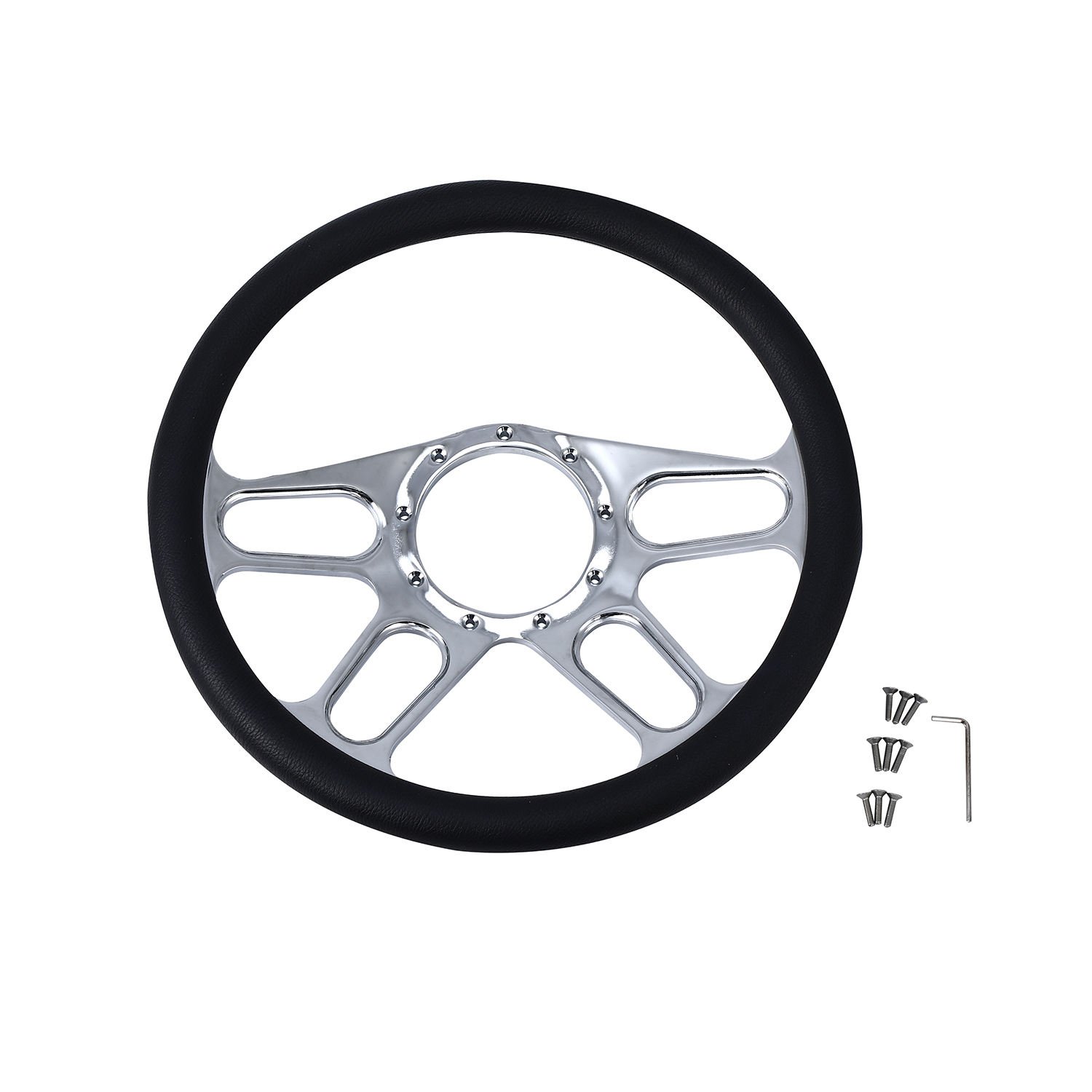
When steering wheel shakes while driving, the underlying causes range from simple wheel balance issues to serious suspension component failure. Understanding the relationship between vibration patterns, driving conditions, and vehicle speed provides the first diagnostic clues that help identify the root cause. This pillar page serves as the comprehensive resource for diagnosing and resolving steering wheel vibration issues across all vehicle types and driving conditions.
The importance of addressing steering wheel shake extends beyond comfort. Persistent vibration accelerates wear on steering and suspension components, leads to driver fatigue on long trips, and can mask more serious mechanical problems that develop gradually. Early diagnosis and appropriate repair prevents minor issues from becoming major repairs and ensures safe vehicle operation throughout the repair process.
Why Does My Steering Wheel Shake When Driving: Root Causes Explained
The Physics of Steering Wheel Vibration
Steering wheel vibration occurs when unbalanced forces transmit through the steering system to the driver. These forces originate from various sources within the wheel-tire-suspension-steering assembly, each producing characteristic vibration patterns at specific speeds and conditions. Understanding the physics helps diagnose which component is responsible for the vibration.
Unbalanced rotating mass creates centrifugal forces that increase exponentially with speed. When wheel assemblies (including tires, brake rotors, and wheel hubs) contain uneven mass distribution, the resulting centrifugal forces push the wheel up and down with each rotation. This oscillation frequency depends on wheel rotation speed and the amount of unbalance present. At certain speeds, these oscillations match the natural frequency of the steering system, creating amplified vibration felt at the steering wheel.
Imperfect wheel bearing function allows lateral and radial movement of the wheel assembly during rotation. As bearings wear or lose proper lubrication, the wheel gains radial play that translates into vibration. The characteristic feel of wheel bearing-related shake often includes a rhythmic rumble that intensifies with speed, sometimes accompanied by noise that changes with steering input.
Suspension component wear reduces the system’s ability to dampen road inputs and maintain precise wheel alignment. When control arm bushings, ball joints, or tie rod ends wear excessively, the wheel position becomes less stable. This allows wheel alignment to shift dynamically during driving, creating variable steering response and vibration that changes with road conditions.
Common Causes by Speed Range
Steering wheel shake manifests differently depending on driving speed, which provides diagnostic clues about the underlying cause:
| Speed Range | Likely Causes | Vibration Characteristics |
| Low speed (under 30 mph) | Wheel bearing damage, tie rod wear, power steering issues | Shake present at all speeds, may intensify when turning |
| Medium speed (30-50 mph) | Wheel balance, minor alignment issues | Vibration increases with speed, smooths at higher speeds |
| High speed (50-70+ mph) | Wheel balance, tire defect, alignment | Most pronounced at highway speeds, may diminish at very high speeds |
| Specific speeds only | Wheel balance, tire flat spot, brake rotor warp | Strong vibration at particular speeds, disappears between |
Causes in Detail: Suspension and Steering Components
Wheel bearings that have exceeded their service life allow wheel assembly movement that creates vibration. Signs of wheel bearing issues include noise that changes with steering input (turning left loads right wheel bearing and vice versa), wheel wobble visible when jacking the wheel, and often a grinding or howling noise accompanying the vibration. Wheel bearing failure while driving presents safety concerns, making this a priority diagnosis.
Tie rod ends connect the steering rack or gearbox to the wheel spindles, translating steering input into wheel turning. Worn tie rod ends develop play that allows the wheel to shift position during driving, creating steering wheel shake that may be accompanied by wandering steering and uneven tire wear. The shake from tie rod wear often intensifies when crossing bumps or rough roads.
Control arm bushings maintain precise wheel position while allowing the expected suspension movement. When these bushings crack, collapse, or separate, the wheel gains unwanted movement that transmits directly to the steering system. Vibration from control arm bushing failure typically increases with road irregularities and may include clunking sounds.
Ball joints provide the pivot points between steering knuckles and control arms. Severely worn ball joints allow wheel movement in multiple directions, creating vibration that may be accompanied by visible wheel wobble when the vehicle is raised. Ball joint failure is a serious safety concern that requires immediate attention.
Causes in Detail: Wheel and Tire Factors
Wheel balance affects vibration more than any other single factor. When wheel assemblies lose their balance weights or develop uneven tire wear patterns, the resulting centrifugal unbalance creates rhythmic vibration that increases with speed. Front-wheel balance issues transfer directly to the steering wheel, making this the first suspect when steering wheel shake appears.
Tire conditions including uneven wear, internal damage, and manufacturing defects create vibration sources that wheel balancing cannot fully correct. Flat spots from hard braking or parking, belts shifting within the tire structure, and uneven wear from alignment problems all generate vibration that wheel balancing can only partially address.
Wheel structural integrity matters when wheels develop cracks, bent rims, or impact damage. Even minor wheel damage affects wheel balance accuracy and can create vibration patterns that tracking balance cannot resolve. Visual inspection and precision measurement identify wheel damage that may not be obvious.
Causes in Detail: Braking System Issues
Brake rotor warp creates steering wheel vibration most noticeably during braking, though vibration may persist slightly after brake release. Heat cycling from aggressive use, improper bedding procedures, or using wheels for extended periods with dragging brakes causes rotor thickness variation. This thickness variation presses brake pads against rotors unevenly, creating pulsating braking force that vibrates the entire steering system.
Brake caliper function affects vibration through sticky or seized slide mechanisms. When calipers do not fully release after braking, the resulting partial brake engagement creates heat buildup and uneven forces that distort rotors over time. The characteristic brake-related shake occurs during deceleration and may be accompanied by smell or visible heat from wheels.
Wheel speed sensor tone rings on vehicles with anti-lock braking systems can accumulate debris or suffer damage that affects sensor function. While this typically triggers warning lights, the physical condition of the tone ring can also create vibration felt through the steering wheel during ABS activation.
How to Diagnose Steering Wheel Shake: Systematic Testing Procedures
Initial Assessment: Collecting Information
Before beginning physical diagnosis, gather information about the vibration characteristics. This information narrows the diagnostic focus and saves time identifying the root cause:
Speed correlation: Note whether vibration occurs at specific speeds, increases continuously with speed, or remains constant regardless of speed. Vibration that appears only between 45-55 mph suggests wheel balance or tire defect at specific frequencies. Constant vibration regardless of speed points toward worn components with play.
Road condition relationship: Determine whether vibration occurs on all road surfaces or only on rough roads, smooth highways, or specific road types. Vibration that correlates with road surface indicates suspension component play amplifying road inputs. Vibration on smooth roads indicates wheel-tire or drivetrain sources.
Steering input effect: Test whether turning the steering wheel affects vibration intensity. Vibration that intensifies when turning in one direction often indicates wheel bearing wear on the opposite side (turning left loads the right wheel). Vibration that changes with steering angle may indicate tie rod or steering rack issues.
Braking correlation: Note whether vibration occurs during braking, after braking, or independent of braking input. Vibration exclusively during braking strongly suggests brake rotor issues. Vibration after braking release indicates rotors retain heat distortion.
Visual Inspection Procedures
Tire inspection begins the physical examination. With the vehicle on level ground and engine off, inspect tires for:
| Inspection Point | What to Look For | Significance |
| Tire wear pattern | Uneven wear across tread, feathering | Alignment issues create vibration |
| Tire surface condition | Bulges, cuts, embedded objects | Internal tire damage causes vibration |
| Tire age | Cracking, dry rot on sidewall | Aged tires lose structural integrity |
| Tire inflation | Visual unevenness, pressure difference | Incorrect inflation affects handling |
Wheel inspection continues the visual assessment. Examine wheels for visible damage, missing balance weights on wheel inner surfaces, corrosion between wheel and hub affecting centering, and wheel Lugnut torque (check for proper torque pattern).
Suspension inspection from wheel well areas identifies obvious component wear. Look for torn rubber bushings, disconnected or damaged sway bar end links, leaking shock absorbers, and damaged or missing suspension hardware.
Jack Stand Testing Procedures
Wheel bearing testing with vehicle raised provides definitive diagnosis. With the vehicle safely supported on jack stands and wheels hanging free:
1.Grasp the wheel at top and bottom positions
2.Attempt to shake the wheel vertically
3.Any play indicates wheel bearing issues
4.Grasp wheel at left and right positions
5.Attempt to shake wheel horizontally
6.Play indicates tie rod or wheel bearing problems
7.Rotate wheel by hand feeling for roughness, resistance, or noise
Wheel bearing play is often subtle but definitely present when worn. Multiple checks confirm the finding.
Control arm testing involves checking for play in ball joints and bushings. With wheel hanging free, grasp the wheel and attempt to shake it while observing the upper and lower control arms. Visible movement at ball joints or control arm bushings indicates wear requiring replacement.
Road Testing for Diagnostic Confirmation
Baseline road test establishes vibration characteristics for comparison after repairs:
1.Drive at varying speeds noting exact speeds where vibration occurs
2.Test straight roads and curves to note steering input effects
3.Test smooth and rough road surfaces
4.Apply brakes moderately and heavily to note braking correlation
5.Note whether vibration intensifies during acceleration or deceleration
Post-repair road test compares against baseline to confirm successful repair. Identical speeds and conditions should produce no vibration if the repair addressed the root cause.
Steering Wheel Shakes at Different Speeds: Speed-Specific Diagnosis
Steering Wheel Shakes at Low Speeds (Under 30 MPH)
Low-speed steering wheel vibration typically indicates worn mechanical components rather than wheel-tire issues. The lower centrifugal forces at low speed do not amplify balance issues significantly, making component play the dominant vibration source.
Wheel bearing failure frequently causes low-speed shake because worn bearings allow wheel assembly movement regardless of speed. The vibration may diminish at higher speeds as the wheel stabilizes slightly, though bearing failure continues progressing. This diagnosis requires immediate attention due to safety implications.
Tie rod end wear creates play that allows wheel steering angle to shift during driving, creating steering wheel shake that varies with road input. Low-speed urban driving amplifies this vibration because frequent turning loads tie rods repeatedly. The shake typically includes wandering steering that makes the vehicle difficult to drive straight.
Power steering system issues including low fluid level, air in the system, or pump wear create vibration through power steering components. This vibration typically correlates with steering effort—the steering wheel feels heavier or lighter at certain points, with associated vibration.
Steering Wheel Shakes at Highway Speeds (50-70 MPH)
Highway-speed steering wheel vibration most commonly originates from wheel-tire sources, with balance issues leading the list of suspects.
Wheel balance loss affects highway speeds most severely because centrifugal force increases with the square of rotational speed. A small weight loss that creates minimal vibration at 30 mph can create severe shake at 70 mph. Modern tires can lose balance weights without obvious cause, particularly on aluminum wheels where weights may be hidden inside the wheel barrel.
Tire internal damage becomes most apparent at highway speeds. Belts shifting within tires, internal punctures with partial repair, and manufacturing defects all create vibration that wheel balancing cannot fully address. The characteristic pattern includes vibration that varies slightly within the affected tire’s rotation cycle.
Alignment issues including camber problems, excessive caster variation side-to-side, and thrust angle errors create steering instability at higher speeds. These conditions cause the steering wheel to shake, wander, and require constant correction to maintain direction.
Steering Wheel Shakes at Specific Speeds Only
Vibration appearing only at specific speeds indicates wheel balance issues with characteristic frequency response. The vibration typically appears at 45-55 mph, becomes severe at 60-65 mph, and may diminish slightly at higher speeds as suspension dynamics change.
Wheel balance at specific frequencies often indicates a specific weight position on the wheel-tire assembly. The vibration frequency matches the wheel rotation speed at which unbalance creates maximum steering input. Multiple speed-specific vibrations suggest multiple wheel balance problems.
Tire flat spots create vibration at specific speeds depending on flat spot severity. The flat spot affects tire roundness, creating oscillation that peaks when flat spot rotation frequency matches system resonance.
Brake rotor thickness variation causes vibration at speeds where brake application occurs frequently—typically the speeds where traffic requires repeated braking. This vibration typically appears during braking and may persist briefly after brake release.
Solutions for Steering Wheel Vibration: Repair and Correction Methods
Wheel Balance Correction
Professional wheel balancing should be the first repair attempt for steering wheel shake suspected from wheel-tire sources. Modern balancing machines with digital readouts identify both static and dynamic unbalance with precision exceeding manual methods.
Balance process involves mounting clean wheels on balancing equipment, spinning the assembly to measure unbalance, and adding appropriate counterweights to achieve balance. Both inside and outside wheel surfaces require balancing weights for proper dynamic balance. Premium balancing services include road force variation testing that identifies tire and wheel assembly issues beyond simple balance.
Road force variation testing measures the actual force variation transmitted through the wheel-tire assembly under load, identifying problems that simple spin balancing cannot resolve. Tires with excessive road force variation may require remounting on different wheel positions or replacement.
Suspension Component Replacement
Wheel bearing replacement provides permanent correction when bearing wear or damage causes vibration. Wheel bearings on most modern vehicles are pressed into steering knuckles and require specialized tools for removal and installation. The repair includes cleaning bearing seats, inspecting related components, and applying proper torque to all fasteners.
| Component | Replacement Complexity | Labor Hours | Parts Cost Range |
| Front wheel bearing | Moderate | 1-2 per side | $50-200 per side |
| Tie rod end | Low | 0.5-1 per side | $20-80 per side |
| Outer tie rod | Moderate | 1-2 per side | $40-150 per side |
| Control arm bushing | Moderate-high | 2-3 per side | $30-100 per arm |
| Ball joint (if separate) | Moderate | 1-2 per side | $40-200 per joint |
| Sway bar end link | Low | 0.5 per side | $20-60 per link |
Tie rod end replacement corrects steering play that creates vibration. Replacement includes removing the affected tie rod from the steering rack or relay rod, installing a new tie rod of appropriate length, and performing a full wheel alignment to set steering geometry precisely.
Control arm and bushing replacement restores proper suspension geometry. Sourced control arms may require alignment after installation. Bushings alone can be replaced on some control arms using press tools, though complete arm replacement often proves more reliable.
Brake System Repairs
Brake rotor replacement corrects vibration from warped rotors. Replacement involves removing the wheel, caliper, and brake components, then removing and replacing rotors with new units. Resurfacing (machining) worn rotors provides an alternative when rotors retain sufficient thickness, though new rotors often prove more cost-effective and reliable.
Calibration requires matching replacement rotors to corresponding pads and proper bed-in procedures. New rotors require gradual breaking in to develop proper friction surface without heat distortion. The bed-in procedure involves progressive braking from moderate to firm applications with cooling periods between.
Caliper service addresses sticky calipers that cause rotor distortion. This may involve caliper rebuild with new seals and sliding hardware, or complete caliper replacement if the caliper body has corroded or damaged beyond repair. Proper brake fluid flush accompanies caliper service.
Alignment and Adjustment
Four-wheel alignment becomes necessary after suspension repairs and corrects geometric issues contributing to vibration. Alignment includes adjusting camber, caster, and toe angles on all four wheels to manufacturer specifications.
Alignment specifications vary by vehicle, but general ranges apply:
| Alignment Angle | Typical Specification Range | Effect of Misalignment |
| Front camber | -0.5° to -1.5° | Uneven tire wear, steering pull |
| Front caster | 2° to 5° | Steering stability, return |
| Front toe | -0.05° to +0.05° per side | Tire wear, straight-line stability |
| Rear camber | -0.5° to -1.0° | Tire wear, handling |
| Rear toe | 0° to +0.1° per side | Stability, tire wear |
Steering Wheel Shakes When Braking: Brake-Specific Diagnosis
Identifying Brake-Related Vibration
Brake-related steering wheel shake occurs specifically during braking or becomes significantly worse during braking. The vibration typically correlates with brake pedal pressure, becoming more intense as brake application increases.
Rotor thickness variation causes brake pad contact pressure to vary as the slightly thicker and thinner portions of the rotor engage the pad. This variation creates oscillating brake force that vibrates the entire wheel, steering knuckle, and steering system, transmitting directly to the steering wheel.
Rotor flatness issues create similar symptoms when rotors have developed hot spots from aggressive use or contamination. These areas expand differently under heat, creating uneven braking surfaces that cause vibration.
Brake Rotor Diagnosis
Visual inspection identifies obvious rotor problems. Look for:
- Visible scoring or grooves worn into rotor surface
- Blueing or discoloration indicating heat damage
- Cracks radiating from center or mounting points
- Rust buildup in areas that should be clean
Measurement using a micrometer identifies thickness variation. Measure at multiple points around the rotor face and at different radial distances. Thickness variation exceeding 0.001 inches typically causes noticeable brake vibration. Minimum thickness specifications stamped on the rotor must be maintained.
Runout measurement identifies lateral deviation of the rotor surface using a dial indicator mounted to the steering knuckle. Maximum runout specifications vary by rotor size, but generally should not exceed 0.003 inches total indicated runout.
Brake Repair Solutions
Rotor replacement provides the most reliable correction for thickness variation. Replacement rotors should match the original equipment specifications, and premium rotors with better metallurgy may resist future distortion.
Rotor resurfacing removes material to create even thickness, though this reduces rotor thickness toward minimum specifications. Resurfacing becomes impractical when rotors approach minimum thickness.
Caliper inspection and service prevents rotor distortion recurrence. Sticky caliper slides, damaged brake hoses that swell under pressure, and caliper piston problems all contribute to uneven braking force that distorts rotors.
Steering Wheel Shakes When Turning: Handling-Specific Issues
Why Vibration Occurs During Turns
Steering wheel shake during turning indicates components that tolerate vertical loads but fail under lateral loading. The turn-induced load transfers weight and forces to different components, revealing problems that straight-line driving conceals.
Wheel bearing wear often becomes apparent during turns because turning loads the outside wheel’s bearing heavily while unloading the inside bearing. This load variation reveals bearing play that may be barely noticeable in straight driving.
CV joint wear on front-wheel-drive vehicles creates vibration during turns because constant velocity joints transmit power at angles that stress internal components. The outside CV joint works hardest during turns and often fails first, creating clicking, popping, or vibration during cornering.
Sway bar end link wear allows additional suspension movement during turns that translates to steering instability and vibration. Worn end links have play that lets the sway bar disconnect momentarily from suspension during cornering.
Turn-Specific Diagnostic Procedures
Parking lot testing identifies turn-related vibration without high-speed risk. With the engine running and slowly turning the steering wheel full lock in both directions, listen for clicking or popping and feel for vibration through the steering wheel.
Road testing at low speed on a large empty lot confirms turn-specific issues. Drive circles in both directions at constant low speed, gradually increasing turn angle. Note whether vibration correlates with specific turn direction or angle.
Power steering fluid inspection identifies low fluid, contaminated fluid, or air in the system that creates steering vibration during turns. Air bubbles in power steering fluid compress under load, creating momentary power loss and vibration.
Preventing Steering Wheel Vibration: Maintenance Strategies
Regular Inspection Schedule
Monthly visual inspection of tires and wheels identifies developing problems before they cause vibration. Check tire pressure monthly and inspect for obvious damage, uneven wear, or embedded objects.
Annual suspension inspection identifies worn components before they fail or cause vibration. Have a professional technician inspect ball joints, tie rod ends, control arm bushings, and wheel bearings annually or at 30,000-mile intervals.
Wheel alignment inspection following any suspension component replacement or significant impact ensures steering geometry remains correct. Even minor alignment shifts can create vibration that develops gradually.
Driving Practices That Prevent Vibration Causes
Avoiding impact damage protects wheel and suspension components from the vibration-causing wear. Potholes,curbs, and speed bumps at speed stress suspension components and can bend wheels or damage wheel bearings.
Proper braking technique prevents brake rotor distortion. Avoid sustained heavy braking that overheats rotors, and allow adequate cooling time after aggressive driving before parking.
Steering fluid maintenance on vehicles with power steering prevents pump wear and system contamination that create steering vibration. Follow manufacturer service intervals for power steering fluid replacement.
Safety Considerations When Experiencing Steering Wheel Shake
Immediate Assessment
Severity assessment determines whether continued driving is safe. Minor vibration that does not affect vehicle control or steering effort may allow limited driving to reach repair facilities. Severe shake that affects vehicle stability or requires constant steering correction demands immediate stop and tow.
Vibration accompanied by warning lights, steering effort changes, unusual noises, or brake performance changes indicates serious problems requiring immediate attention. These symptoms may indicate power steering failure, brake system problems, or wheel bearing imminent failure.
Driving With Steering Wheel Vibration
If driving is necessary, minimize speed and steering input changes. Avoid high-speed highway driving, aggressive cornering, and hard braking. Drive directly to a repair facility without unnecessary detours.
Tow consideration becomes necessary when vibration prevents safe vehicle control, steering effort has increased dramatically, or grinding, popping, or clicking accompanies the vibration. Wheel bearing failure at speed creates immediate loss of vehicle control, making towing the safest option.
Professional Diagnosis Priority
Professional inspection should follow any significant steering wheel shake episode even if the vibration seems to diminish. Temporary improvement may occur as components fail gradually, but underlying problems continue progressing.
FAQ: Steering Wheel Vibration Questions
Q: Why does my steering wheel shake at 60 mph but not at lower speeds?
A: Steering wheel shake that appears at highway speeds but not at lower speeds typically originates from wheel-tire sources, most commonly wheel balance loss. At 60 mph, centrifugal forces from even small unbalance reach levels that create noticeable steering wheel vibration. The wheel may have lost balance weights from hitting a curb or pothole, or developed uneven tire wear that affects balance. Have all four wheels balanced professionally, and inspect tires for internal damage that simple balancing cannot correct.
Q: What causes steering wheel shake when braking?
A: Steering wheel shake during braking indicates brake rotor problems, most commonly rotor thickness variation or warping. When rotors heat unevenly from aggressive braking, contamination, or sticky calipers, the surface develops thick and thin areas. As brake pads contact these uneven surfaces, braking force varies rhythmically, creating vibration that transmits through the steering system to the steering wheel. Have rotors inspected for thickness variation and replace or machine as needed.
Q: Can bad wheel bearings cause steering wheel shake?
A: Yes, worn wheel bearings allow wheel assembly movement that creates steering wheel vibration. Wheel bearing play permits the wheel to shift position during rotation, creating oscillation that transfers directly to the steering wheel. Wheel bearing wear often produces a grinding or howling noise that changes when turning the steering wheel in one direction versus the other. Wheel bearing failure while driving poses serious safety risks—have worn bearings replaced immediately.
Q: Why does my steering wheel shake only on rough roads?
A: Steering wheel shake that appears only on rough roads indicates suspension component wear allowing excessive movement. When control arm bushings, ball joints, or tie rod ends wear, road inputs amplify through loose components rather than being absorbed by proper suspension design. This amplified movement creates steering wheel shake on rough surfaces but may be barely noticeable on smooth roads. Have suspension components inspected for play and replace worn parts.
Q: How much does it cost to fix steering wheel vibration?
A: Repair costs vary widely depending on the cause. Wheel balancing typically costs $20-50 per wheel. Wheel bearing replacement runs $150-400 per side for parts and labor. Tie rod end replacement costs $100-300 per side. Brake rotor replacement including pads runs $300-600 per axle. Full four-wheel alignment costs $100-200. A proper diagnosis determines the actual repair needed, preventing unnecessary expense on unrelated parts.
Q: Is it safe to drive with steering wheel vibration?
A: Safety depends on vibration severity and cause. Minor vibration from wheel balance or minor issues may allow limited driving to reach repairs safely. Severe vibration affecting vehicle control, accompanied by noise, or involving steering effort changes requires immediate stop and tow. Wheel bearing-related vibration poses particular risk—bearing failure at speed causes immediate loss of control. When in doubt, have the vehicle towed to prevent dangerous failure.