How to Lubricate Clutch Release Bearing: Complete Technical Guide
The clutch release bearing, commonly called the throwout bearing, operates under demanding conditions that require appropriate lubrication for reliable function. This bearing constantly contacts the pressure plate diaphragm fingers during clutch engagement, generating friction and heat that accelerate wear without proper lubrication.
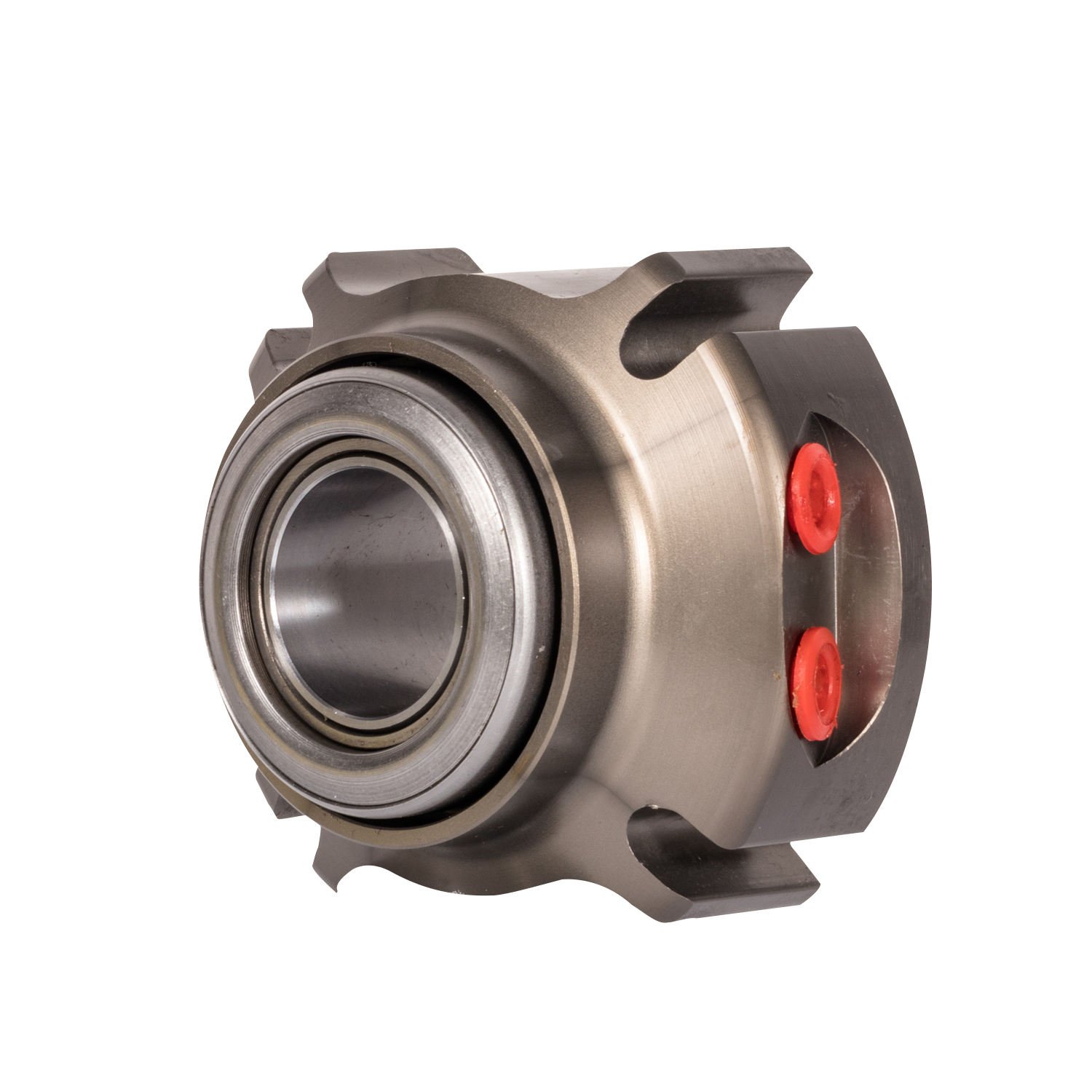
Proper lubrication ensures smooth bearing operation, extends service life, and prevents the annoying squealing and grinding noises that indicate inadequate lubrication. Understanding the correct lubrication procedure, appropriate lubricant selection, and application techniques enables proper maintenance and prevents premature bearing failure.
Release Bearing Design and Lubrication Requirements
Bearing Design Types
| Design Type | Lubrication Method | Maintenance Consideration |
|---|---|---|
| Sealed cartridge bearing | Pre-lubricated, periodic external lubrication | Limited self-contained grease supply |
| Grease-packed bearing | Regular lubrication required | More responsive to maintenance |
| Bronze bushing style | Periodic grease application | Regular maintenance extends life |
| Hydraulic release bearing | Sealed, maintenance-free design | No direct lubrication required |
Sealed cartridge bearings contain their own grease supply and require minimal maintenance. However, even these bearings benefit from periodic external lubrication to supplement their internal supply. Bronze bushing and some older designs require regular greasing to maintain smooth operation.
Operating Conditions Affecting Lubrication
| Condition | Impact on Lubrication | Recommendation |
|---|---|---|
| High-mileage usage | Increased wear rate | More frequent lubrication |
| Performance driving | Higher temperatures | High-temperature grease required |
| Infrequent vehicle use | Grease settling | Periodic operation and lubrication |
| Original sealed bearing | Limited internal supply | External lubrication at service intervals |
Appropriate Lubricant Selection
Grease Type Specifications
| Grease Type | Application | Temperature Rating | Suitability |
|---|---|---|---|
| Lithium complex | General purpose, readily available | Up to 300°F intermittent | Excellent choice |
| High-temperature bearing grease | Performance applications | Up to 500°F continuous | Recommended for demanding use |
| Molybdenum disulfide | Heavy loads | Good film strength | Good for load-bearing applications |
| Synthetic grease | Extreme conditions | Wide temperature range | Premium performance option |
Lithium complex greases provide an excellent balance of availability, cost, and performance for most clutch release bearing applications. These greases withstand the temperatures generated during clutch operation while remaining pliable enough to provide continuous lubrication.
Products to Avoid
| Product | Reason to Avoid | Alternative |
|---|---|---|
| Regular chassis grease | Lower temperature rating | Wheel bearing grease |
| White lithium spray | May contain solvents | Pure grease product |
| Multi-purpose grease | Variable quality | Dedicated bearing grease |
| Petroleum jelly | Too soft, melts | Appropriate bearing grease |
Recommended Products
- High-temperature wheel bearing grease (automotive specification)
- Lithium complex bearing grease
- Synthetic high-temperature bearing grease
- Molybdenum disulfide fortified bearing grease
Lubrication Procedure: With Bearing Removal
Preparation Phase
- Gather materials: Obtain appropriate grease, clean rags, and access to bearing location.
- Clean work area: Remove debris from bellhousing area to prevent contamination.
- Support vehicle: Position vehicle on lift or jack stands for bellhousing access.
- Inspect bearing: Before lubricating, inspect bearing for damage, excessive wear, or contamination that would indicate replacement needed.
Bearing Lubrication Steps
Step 1: Bearing access
- Remove transmission from vehicle per manufacturer procedure
- Locate release bearing on transmission input shaft
- Inspect bearing condition before lubrication
- Clean exterior surfaces with degreaser if necessary
Step 2: Grease application
- Apply thin layer of high-temperature grease to bearing contact surfaces
- Focus grease application on areas that contact pressure plate fingers
- Apply small amount to bearing bore where it slides on transmission shaft
- Avoid over-greasing—excess attracts contaminants
Step 3: Reassembly lubrication
- Apply thin grease film to transmission input shaft where bearing slides
- Lubricate clutch fork pivot ball and contact points
- Apply small amount to fork spring clip contact areas
- Verify all contact points receive appropriate lubrication
Critical Application Points
| Application Point | Grease Amount | Purpose |
|---|---|---|
| Bearing face | Thin, even coat | Pressure plate contact |
| Bearing bore | Light film | Input shaft sliding surface |
| Fork pivot ball | Small dab | Pivot point friction reduction |
| Fork pocket | Thin coating | Bearing contact surface |
Lubrication Procedure: Without Bearing Removal
Access Through Bellhousing
Some vehicles allow bearing lubrication without transmission removal:
- Locate access point: Identify inspection hole or access panel in bellhousing.
- Apply grease: Using grease gun with extension or grease gun with precision tip, apply grease to bearing through accessible opening.
- Operate clutch: Have assistant cycle clutch pedal while applying grease to help distribute lubricant around bearing.
- Verify coverage: Continue lubrication until grease appears at bearing edges, indicating adequate coverage.
Fork Hole Access Method
For vehicles with accessible clutch fork:
- Access fork: Remove inspection cover or reach through wheel well.
- Position bearing: Apply grease directly to bearing contact area on fork.
- Work grease in: Cycle clutch pedal multiple times while bearing is lightly loaded.
- Repeat application: Apply additional grease and cycle again for thorough coverage.
Clutch Fork Lubrication
Fork Pivot Point Lubrication
The clutch fork requires lubrication at multiple points:
| Lubrication Point | Grease Type | Application Amount |
|---|---|---|
| Pivot ball stud | Wheel bearing grease | Small dab, even coating |
| Fork pocket | High-temperature grease | Thin film on contact surface |
| Release bearing contact | Grease on fork surface | Thin layer where bearing contacts |
| Spring contact points | Small amount | Prevents spring noise |
Fork Installation Lubrication
During fork installation:
- Apply grease to pivot ball stud before installing fork
- Coat fork pocket where it contacts bearing
- Verify spring clips receive small amount for noise prevention
- Ensure fork moves freely after installation
Hydraulic Release Bearing Considerations
Sealed Hydraulic Bearings
Most hydraulic release bearings are sealed units that cannot be lubricated externally:
| Bearing Type | Lubrication Required | Maintenance |
|---|---|---|
| Sealed hydraulic bearing | No direct lubrication | System bleeding if operation affected |
| External hydraulic cylinder | Periodic inspection | Check for leaks, verify fluid level |
| Integrated hydraulic bearing | None | Replace if failed |
When Hydraulic Bearings Require Attention
Even sealed hydraulic bearings may show symptoms indicating service needs:
- Difficulty disengaging clutch despite proper pedal travel
- Noise during clutch operation
- Pedal feels different than normal
- Fluid leaking from bearing area
These symptoms may indicate internal failure rather than lubrication deficiency. Replace sealed hydraulic bearings showing these symptoms rather than attempting lubrication.
Signs Indicating Lubrication Needed
Audible Symptoms
| Sound | Indication | Action Required |
|---|---|---|
| Squealing when clutch engaged | Lack of lubrication | Immediate lubrication |
| Grinding during disengagement | Worn bearing | Inspect and replace if needed |
| Chirping on pedal release | Insufficient grease | Apply lubricant promptly |
| Growling during operation | Bearing deterioration | Immediate inspection |
Operational Symptoms
| Symptom | Implication | Response |
|---|---|---|
| Stiff pedal feel | Fork binding | Lubricate pivot points |
| Incomplete disengagement | Bearing not moving freely | Inspect bearing condition |
| Pedal return delay | Return spring binding | Lubricate contact points |
| Grabbing clutch | Inconsistent pressure | Verify bearing alignment |
Common Lubrication Mistakes
Over-Lubrication Errors
| Error | Consequence | Prevention |
|---|---|---|
| Excessive grease on bearing face | Contaminates clutch disc | Apply thin, even coat only |
| Grease on clutch disc | Disc glazing, slip | Keep disc surfaces clean |
| Grease on pressure plate | Material damage | Use minimal amounts |
| Grease on disc splines | Engagement issues | Apply to hub only if needed |
Under-Lubrication Errors
| Error | Consequence | Prevention |
|---|---|---|
| Insufficient bearing lubrication | Premature bearing wear | Apply adequate coat |
| Missing fork lubrication | Binding, noise | Lubricate all contact points |
| Skipping pivot ball | Fork sticking | Always lubricate pivot |
Wrong Product Errors
| Error | Consequence | Prevention |
|---|---|---|
| Using wrong grease type | Bearing failure | Use high-temperature bearing grease |
| Using spray lubricants | Solvents damage seals | Use proper grease products |
| Using petroleum products | Disc contamination | Avoid sprays near clutch |
Maintenance Schedule and Intervals
Recommended Lubrication Intervals
| Vehicle Usage | Lubrication Interval | Inspection Points |
|---|---|---|
| Normal daily driving | Every 30,000-50,000 miles | Check bearing condition |
| Performance driving | Every 15,000-25,000 miles | More frequent attention |
| Occasional use | Annually | Operate system and lubricate |
| Stored vehicles | Before returning to service | Inspect and lubricate |
Service Inspection Points
During clutch service or inspection:
- Visual bearing inspection: Check for discoloration, scoring, or damage
- Movement verification: Ensure bearing slides freely on shaft
- Lubrication application: Apply fresh grease to all contact points
- Fork function test: Verify smooth pivoting after lubrication
- Noise check: Operate clutch to verify smooth, quiet operation
FAQ: Technical Clarifications
Q: How do you lubricate a clutch release bearing?
A: Lubrication involves applying high-temperature bearing grease to the bearing contact surfaces. With the transmission removed, apply thin coat of grease to the bearing face that contacts the pressure plate, light film to the bearing bore where it slides on the input shaft, and small amount to the clutch fork pivot ball and contact points. Avoid over-application that could contaminate the clutch disc.
Q: What type of grease should be used for clutch release bearing?
A: Use high-temperature wheel bearing grease or lithium complex bearing grease. These products withstand the operating temperatures generated at the bearing contact point and provide adequate film strength for bearing protection. Avoid regular chassis grease, white lithium spray, or multi-purpose greases that may not perform adequately under clutch operating conditions.
Q: Can you lubricate the release bearing without removing the transmission?
A: Yes, in some applications. Access the bearing through bellhousing inspection holes or from below the vehicle. Apply grease to accessible bearing surfaces while an assistant cycles the clutch pedal to help distribute lubricant. Not all vehicles allow this access—some require transmission removal for proper bearing lubrication.
Q: What happens if you use too much grease on the release bearing?
A: Excess grease can fling onto the clutch disc, causing disc glazing and slippage. It can also contaminate the pressure plate friction surfaces. Apply thin, even coats only—excess does not improve lubrication and creates contamination risk. The bearing requires only a light coating, not heavy greasing.
Q: Should you lubricate the clutch fork when servicing the bearing?
A: Yes, the clutch fork should receive lubrication during any bearing service. Apply grease to the fork pivot ball, fork pocket where it contacts the bearing, and any spring contact points. A properly lubricated fork moves freely without binding or noise. This lubrication often gets neglected but significantly affects clutch feel and operation.
Q: How often should the clutch release bearing be lubricated?
A: For sealed cartridge bearings, lubricate every 30,000-50,000 miles during routine service. For bronze bushing or maintenance-free designs, follow manufacturer recommendations. Performance vehicles or demanding usage benefits from more frequent lubrication—every 15,000-25,000 miles. Annual lubrication for infrequently driven vehicles maintains adequate protection.
Where to Buy a Clutch Release Bearing?
If you’re looking for a reliable supplier, it’s important to choose a manufacturer that offers:
- Stable product quality
- Consistent supply
- Wholesale support
- OEM branding options
For bulk orders or reseller inquiries, you can check this product page:
If you’re looking for a reliable supplier, it’s important to choose a manufacturer that offers:
- Stable product quality
- Consistent supply
- Wholesale support
- OEM branding options
For bulk orders or reseller inquiries, you can check this product page: